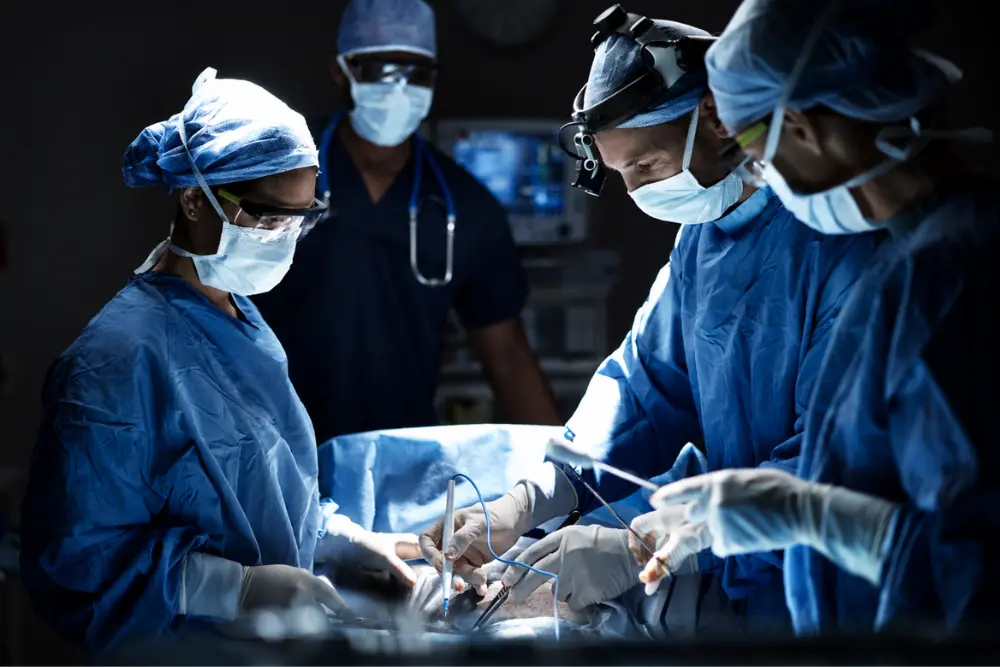
Breast Tumor/Cancer Surgery
Open Surgical Excision
Comprehensive care for breast tumors and cancer — accurate diagnosis, safe surgery, and better cosmetic outcomes
Medically reviewed by Dr. S M Sarwar, General & Laparoscopic Surgeon • 15+ years experience • Updated
July 2026
1–3 hrs
Surgery Duration
1–2 days
Hospital Stay
2–4 weeks
Back to Normal Activity
OVERVIEW
What Is a Breast Tumor?
A breast tumor is an abnormal growth of tissue in the breast, which may be benign (non-cancerous) or malignant (cancerous). Most breast lumps are found through self-examination, screening mammography, or ultrasound. A biopsy confirms whether a lump is benign or cancerous, which then guides the treatment plan — ranging from simple monitoring to surgical removal, and in cancer cases, may involve additional treatment such as chemotherapy or radiation.
CANDIDACY
Who Needs This?
A palpable breast lump, nipple discharge, skin dimpling, or an abnormal finding on mammogram/ultrasound — especially confirmed suspicious or cancerous on biopsy — usually requires surgical evaluation and treatment.
Benign Lump
Malignant Tumor
Recurrent Cancer
Post-Biopsy Confirmed Case
BENEFITS
Why Choose Surgical Treatment?
✓
Breast-conserving techniques preserve natural shape where possible
✓
Sentinel lymph node biopsy minimizes unnecessary lymph node removal
✓
Oncoplastic methods combine cancer removal with cosmetic reconstruction
✓
Pathology-guided margins reduce chance of recurrence
PROCEDURE
How It's Done?
1
Anesthesia
General anesthesia is administered so the procedure is completely pain-free.
2
Tumor Removal
The lump or tumor is removed with a margin of healthy tissue (lumpectomy) or, when needed, the entire breast (mastectomy).
3
Lymph Node Assessment
Nearby sentinel lymph nodes are checked to see if cancer has spread.
4
Closure & Pathology
Incisions are closed and removed tissue is sent for detailed lab analysis to confirm complete removal.
GOOD TO KNOW
As with any surgical procedure, breast tumor surgery carries some general risks. These are uncommon and are discussed in detail during your consultation:
•Infection at the incision site
•Temporary swelling, bruising, or fluid buildup (seroma)
•Changes in breast sensation or shape
•Reaction to anesthesia (screened for beforehand)
RECOVERY
What to Expect Afterward?
Day 0 — Surgery Day
Discharged same day or next day depending on procedure extent; short rest period for anesthesia to wear off.
Days 1–5
Mild discomfort managed with prescribed pain relief; drains (if placed) monitored.
Week 1–2
Return to light daily activities; follow-up visit to review pathology results.
Weeks 3–6
Gradual return to normal activity and exercise, guided by follow-up review and any additional treatment plan.
FAQ
Common Questions
For many early-stage cases, lumpectomy combined with radiation offers survival outcomes similar to mastectomy, while preserving more natural breast tissue. Your surgeon will confirm suitability based on tumor size, location, and biopsy results.
This depends on the pathology report — tumor type, grade, margins, and lymph node involvement. Some patients need only surgery, while others require additional treatment, which will be discussed after your results are reviewed.
The sentinel lymph node biopsy performed during surgery is usually assessed within a few days to a week, once the pathology lab completes its analysis.
Want to know more? Read the complete guide on breast health, screening & recovery.
This page is for general information only and does not replace an in-person medical consultation. Treatment recommendations vary by individual case — please book a consultation with Dr. S M Sarwar for personalized advice.