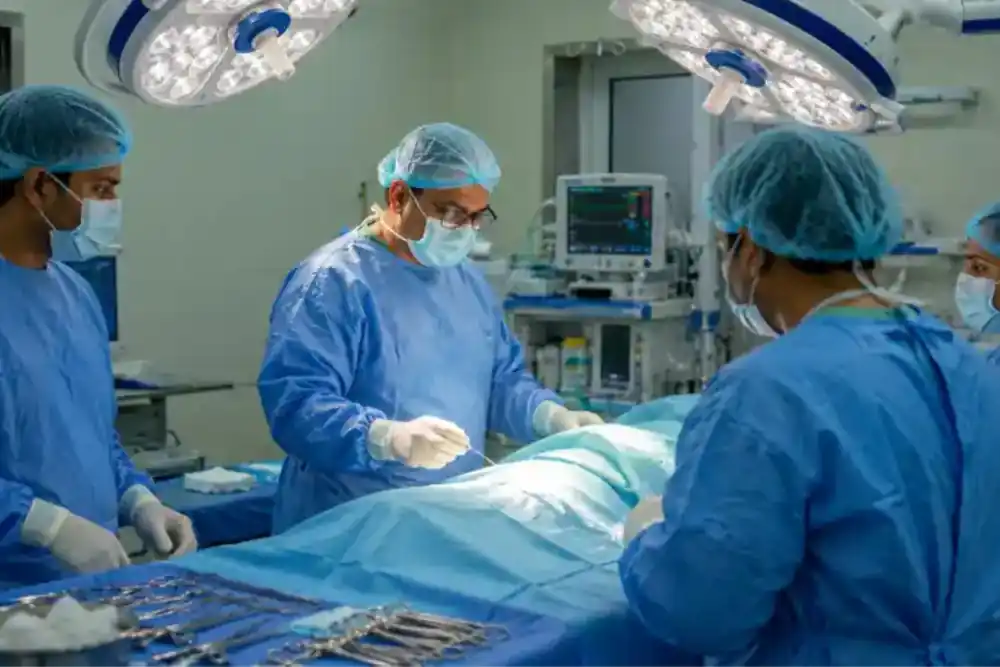
Anal Abscess Surgery
Surgical Incision & Drainage
Prompt surgical drainage for anal abscesses — relieving pain and infection quickly while lowering the risk of the infection progressing into a chronic fistula.
Medically reviewed by Dr. S M Sarwar, General & Laparoscopic Surgeon • 15+ years experience • Updated
July 2026
15–30 min
Procedure Duration
Same day
Hospital Stay
1–2 weeks
Back to Normal Activity
OVERVIEW
What Is an Anal Abscess?
An anal abscess is a localized bacterial infection that forms a pus-filled pocket near the anus or rectum, often causing persistent pain, swelling, and fever. Left untreated, the infection can worsen and, in some cases, progress into a chronic fistula. Surgical drainage remains the most effective way to relieve the infection quickly and prevent complications.
CANDIDACY
Who Needs This?
Persistent anal pain, swelling, redness, fever, or a tender lump near the anus usually signals an anal abscess — a bacterial infection that requires prompt surgical drainage, since antibiotics alone are rarely enough to clear it.
Anal Abscess
Recurrent Abscess
Complex/Deep-Seated Abscess
BENEFITS
Why Prompt Surgical Drainage?
✓
Fast relief from pain and pressure
✓
Complete removal of the infected fluid collection
✓
Reduced risk of the infection spreading
✓
Lower chance of progressing to a chronic fistula
✓
Quick return to daily activities
PROCEDURE
How Is It Treated?
1
Assessment
The surgeon examines the area and, when needed, uses imaging to confirm the size and location of the abscess.
2
Anesthesia
Local, regional, or general anesthesia is administered so the procedure remains pain-free.
3
Surgical Drainage
The abscess is surgically opened and drained to fully clear the infected fluid.
4
Wound Care & Recovery
The wound is dressed or packed as needed, and most patients are discharged the same day.
GOOD TO KNOW
As with any surgical procedure, anal abscess drainage carries some general risks. These are uncommon and are discussed in detail during your consultation:
•Bleeding
•Delayed wound healing
•Recurrence of the abscess
•Progression to a fistula (uncommon with timely treatment)
RECOVERY
Recovery After Anal Abscess Surgery
Day 0 — Surgery Day
Short rest period before discharge the same day.
Days 1–7
Wound care with regular dressing changes and sitz baths; mild discomfort managed with prescribed pain relief.
Week 1
Gradual return to light daily activities as the wound heals.
Week 1–2
Continued healing, guided by follow-up review with your surgeon.
FAQ
Common Questions
Antibiotics alone are often not enough — surgical drainage is usually needed to fully clear the infection.
No, anal bleeding can have several causes, including hemorrhoids and fissures, so a proper evaluation is important.
Most patients feel significantly better within a few days after drainage, with full wound healing over one to two weeks.
Yes, some abscesses develop into a fistula if not adequately treated, which is why timely surgical care matters.
Want to know more? Read the complete guide on anal abscess symptoms, causes & when to see a specialist.
This page is for general information only and does not replace an in-person medical consultation. Treatment recommendations vary by individual case — please book a consultation with Dr. S M Sarwar for personalized advice.