

Looking Beyond Hemorrhoids: Understanding an Often Overlooked Cause of Anal Bleeding
Not every episode of anal bleeding is caused by hemorrhoids. While hemorrhoids and anal fissures are among the most common reasons for seeing blood after a bowel movement, they are not the only possibilities. In some cases, anal bleeding may occur alongside a painful infection known as an anal abscess, a condition that requires prompt medical attention.
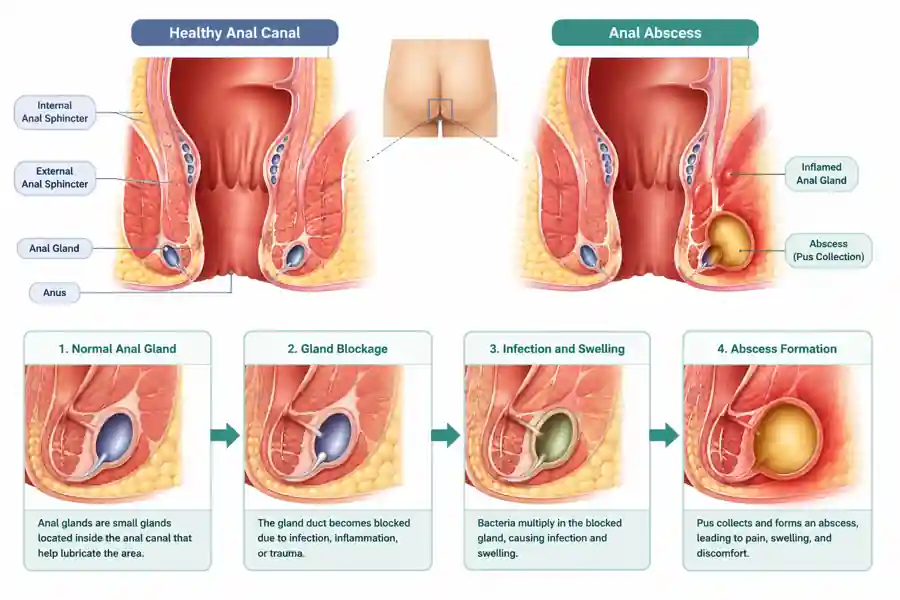
An anal abscess develops when one of the tiny glands inside the anal canal becomes blocked and infected. As bacteria multiply, a pocket of pus forms beneath the skin or deeper around the rectum. The infection often causes severe pain, swelling, and tenderness, making everyday activities such as sitting, walking, or passing stool increasingly uncomfortable.
Although bleeding is not the hallmark symptom of an anal abscess, it can occur. A small amount of blood may be noticed if the inflamed tissue becomes irritated, if the abscess ruptures naturally, or if pus drains through the surrounding skin. Because similar symptoms can occur in several anorectal conditions, it is important not to assume that the bleeding is caused by hemorrhoids alone.
Early diagnosis plays a vital role in preventing complications. Unlike many minor skin infections, an anal abscess rarely resolves with home remedies or antibiotics alone. In most cases, the trapped pus needs to be drained to eliminate the infection and relieve pressure. Delaying treatment may increase the risk of developing an anal fistula, an abnormal tunnel that can form between the anal canal and the skin.
Modern colorectal surgery offers safe and effective treatment for anal abscesses. With timely evaluation, appropriate surgical drainage, and proper postoperative care, most patients recover well and return to their normal daily routine within a relatively short period.
This article explains how anal abscesses develop, whether they can cause bleeding, the symptoms that should never be ignored, available treatment options, and when it is important to seek advice from a qualified colorectal surgeon.
Understanding an Anal Abscess
An anal abscess is a localized bacterial infection that results in the formation of a pocket of pus near the anus or rectum. The infection usually begins inside one of the small mucus-producing glands located within the anal canal. When the opening of one of these glands becomes blocked, bacteria can multiply, leading to inflammation and the accumulation of pus.
The condition can develop quickly, sometimes within a few days. As pressure builds inside the infected cavity, pain often becomes more intense and the surrounding tissues become swollen, warm, and tender. Without appropriate treatment, the infection may spread to nearby tissues or eventually create an anal fistula.
Can Anal Bleeding Be a Sign of an Anal Abscess?
Bleeding can occur in patients with an anal abscess, but it is usually not the main symptom. Instead, patients are more likely to notice severe anal pain, swelling, redness, or pus discharge. When bleeding does occur, it is often mild and may appear as blood-stained discharge or small amounts of fresh blood during bowel movements.
Because anal bleeding has many possible causes—including hemorrhoids, anal fissures, colorectal polyps, inflammatory bowel disease, and colorectal cancer—it should always be evaluated rather than self-diagnosed. A careful examination helps identify the true cause and ensures that the most appropriate treatment is provided.
Recognizing the Symptoms
The symptoms of an anal abscess often appear suddenly and tend to worsen if the infection is left untreated. Persistent throbbing pain around the anus is usually the earliest and most noticeable complaint. Many patients find that sitting for long periods or passing stool becomes increasingly painful.
As the infection progresses, swelling near the anal opening may become visible, and the skin can appear red and warm to the touch. Some patients also develop fever, chills, fatigue, or notice pus draining from the affected area. If mild bleeding accompanies these symptoms, it should be assessed by a colorectal surgeon rather than dismissed as a simple hemorrhoid.
Why Does an Anal Abscess Develop?
Most anal abscesses occur because bacteria enter a blocked anal gland and trigger an infection. However, certain medical conditions can increase a person’s susceptibility. Diabetes, Crohn’s disease, a weakened immune system, and previous anorectal infections are all recognized risk factors.
Poorly controlled infections or delayed treatment may allow the abscess to enlarge or spread into deeper tissues. This is one reason why medical assessment is recommended whenever severe anal pain or swelling develops unexpectedly.
Who Is More Likely to Be Affected?
Although an anal abscess can develop in adults of any age, it is more commonly seen in people who have conditions that affect immunity or increase the likelihood of infection. Individuals with chronic inflammatory bowel disease, smokers, and those with a history of anal abscesses or fistulas may have a higher risk of recurrence.
Even healthy individuals, however, can develop an anal abscess without any obvious underlying medical condition. Recognizing the symptoms early and seeking prompt treatment remains the best way to reduce the risk of complications.
When Should You Seek Medical Attention?
Persistent anal pain should never be ignored, especially when it is accompanied by swelling, fever, pus discharge, or bleeding. While some anorectal conditions improve with conservative treatment, an anal abscess usually requires prompt surgical evaluation.
If you experience increasing pain, notice a painful lump near the anus, develop fever, or continue to have rectal bleeding, consult a qualified colorectal surgeon as soon as possible. Early diagnosis allows appropriate treatment to begin before the infection progresses or complications develop.
Why Early Treatment Should Never Be Delayed
An anal abscess is an active bacterial infection that usually becomes more painful over time. Unlike a simple skin boil, the infection develops inside the tissues surrounding the anal canal, where pus becomes trapped. Once this pocket of infection forms, the body’s immune system often cannot clear it without medical intervention.
Many patients try home remedies or over-the-counter antibiotics, hoping the swelling will disappear on its own. While these measures may temporarily reduce discomfort, they rarely eliminate the source of the infection. As a result, the abscess may continue to enlarge, become increasingly painful, or eventually rupture through the skin.
Delaying treatment can also increase the risk of developing an anal fistula, a small tunnel connecting the infected anal gland to the skin around the anus. Although not every abscess progresses to a fistula, timely treatment may help reduce this risk.
How Is an Anal Abscess Diagnosed?
The diagnosis of an anal abscess usually begins with a detailed discussion about your symptoms, followed by a careful physical examination. Most superficial abscesses can be identified during a routine clinical assessment because they produce obvious swelling, tenderness, and redness around the anus.
If the abscess is located deeper inside the pelvis or symptoms suggest a more complex infection, additional imaging studies such as an MRI, ultrasound, or CT scan may be recommended. These investigations help determine the exact location of the infection and assist the surgeon in selecting the safest and most effective treatment.
An accurate diagnosis is particularly important because several conditions—including hemorrhoids, anal fissures, thrombosed hemorrhoids, pilonidal disease, and rectal tumors—can produce similar symptoms.
Modern Treatment Options
Treatment depends on the size, depth, and location of the abscess, as well as your overall health. The primary goal is to remove the infection, relieve pain, and promote proper healing while minimizing the risk of recurrence.
For most patients, surgical drainage is considered the standard treatment because it directly removes the collection of pus. Smaller superficial abscesses may require a relatively simple procedure, whereas deeper or more complex infections sometimes need treatment under general anesthesia in an operating theatre.
If your surgeon suspects an associated anal fistula, further evaluation or additional procedures may be recommended. However, not every patient develops a fistula, and treatment decisions are always based on individual clinical findings.
Why Antibiotics Alone Are Often Not Enough
One of the most common misconceptions is that antibiotics can cure an anal abscess without surgery. In reality, antibiotics have limited ability to penetrate a closed pocket of pus. Although they may help control the spread of bacteria in selected patients, they usually cannot eliminate the infection completely.
For this reason, antibiotics are often used in addition to surgical drainage rather than as the only treatment. They may be particularly important for patients with diabetes, weakened immunity, widespread infection, or significant surrounding cellulitis.
Your colorectal surgeon will decide whether antibiotics are appropriate based on your overall condition and the severity of the infection.
How Surgical Drainage Is Performed
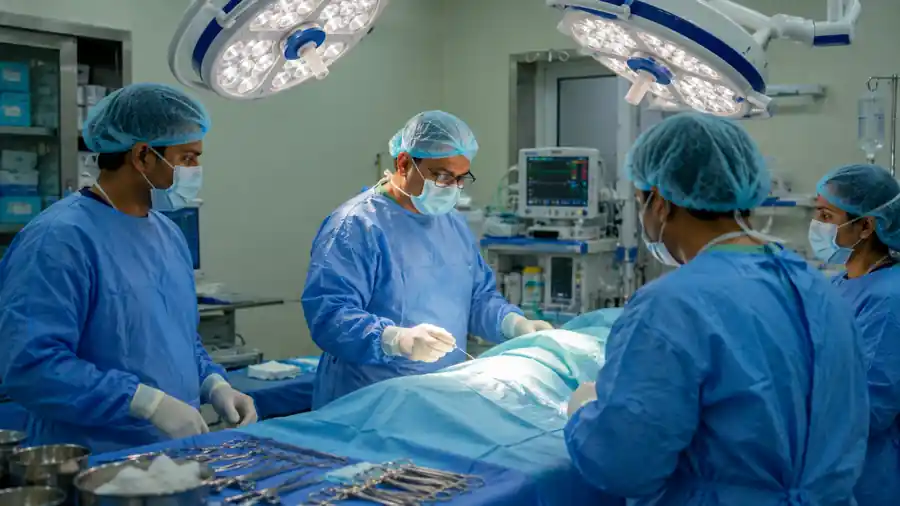
Anal abscess drainage is a well-established procedure designed to remove the infected material and reduce pressure within the affected tissues. Depending on the location of the abscess and the patient’s medical condition, the procedure may be performed under local, regional, or general anesthesia.
After the area has been adequately anesthetized, the surgeon creates a small opening to allow the pus to drain completely. The cavity is then cleaned carefully to remove infected material and encourage healthy healing. In many cases, the wound is left partially open so that any remaining fluid can continue to drain naturally, reducing the chance of the infection becoming trapped again.
The removed tissue or drainage may occasionally be sent for laboratory analysis if clinically indicated, particularly when the diagnosis is uncertain or unusual infections are suspected.
Benefits of Early Surgical Treatment
When performed promptly, surgical drainage can provide rapid relief from the severe pressure and pain caused by an anal abscess. Early treatment also allows the infection to be controlled before it spreads to surrounding tissues or leads to more complex anorectal conditions.
For appropriately selected patients, modern treatment may offer:
- Faster relief from pain and pressure
- Effective removal of the infected collection
- Reduced risk of deeper infection
- Earlier return to normal daily activities
- Better overall healing with appropriate follow-up
The exact outcome depends on the severity of the infection, the patient’s overall health, and adherence to postoperative care instructions.
Preparing for Surgery
Preparation is generally straightforward but remains an important part of safe surgical care. Before the procedure, your surgeon will review your medical history, current medications, allergies, and any chronic conditions such as diabetes or heart disease.
If anesthesia is planned, you may be asked to avoid eating and drinking for several hours beforehand. Patients taking blood-thinning medication should inform their healthcare team, as temporary adjustments may be necessary. Routine blood tests or other investigations may also be requested depending on your individual health status.
Carefully following these instructions helps reduce surgical risks and supports a smoother recovery.
What to Expect on the Day of Surgery
On the day of your procedure, you will first meet the surgical and anesthesia teams, who will review your treatment plan and answer any remaining questions. After the necessary preparations, you will be taken to the operating theatre for the procedure.
Following successful drainage, you will spend a short period in the recovery area while your vital signs are monitored. Many patients with uncomplicated anal abscesses are discharged on the same day, although some may require a brief hospital stay depending on the severity of the infection or underlying medical conditions.
Before leaving the hospital, your healthcare team will explain wound care, pain management, follow-up appointments, and the warning signs that should prompt immediate medical attention.