Rectal Prolapse Surgery
Laparoscopic Rectopexy
Minimally invasive surgical repair to restore the rectum to its normal position — lasting relief from prolapse, discomfort, and loss of bowel control.
Medically reviewed by Dr. S M Sarwar, General & Laparoscopic Surgeon • 15+ years experience • Updated
July 2026
60–90 min
Surgery Duration
1–2 days
Hospital Stay
2–4 weeks
Back to Normal Activity
OVERVIEW
Overview
Rectal prolapse occurs when part of the rectum slips through the anus due to weakened pelvic floor muscles and supporting tissues. It often develops gradually, starting with mild symptoms during bowel movements that can progress to a fully protruding rectum, affecting comfort, hygiene, and confidence. Laparoscopic rectopexy is a modern, minimally invasive way to secure the rectum back in place using small incisions.
CANDIDACY
Who Needs This?
A sensation of pressure, incomplete bowel emptying, visible bulging through the anus, or difficulty with bowel control — especially when symptoms worsen over time or with straining — usually means surgical repair is the most effective long-term solution.
Rectal Prolapse
Recurrent Prolapse
Pelvic Floor Weakness
Chronic Straining-Related Prolapse
BENEFITS
Why Laparoscopic Rectopexy?
✓
Small incisions — minimal scarring
✓
Less pain than open surgery
✓
Restores normal rectal position and function
✓
Faster hospital discharge
✓
Lower recurrence compared to non-surgical management
✓
Quicker return to daily activities
PROCEDURE
How It's Done?
1
Anesthesia
General anesthesia is administered so the procedure is completely pain-free.
2
Small Incisions
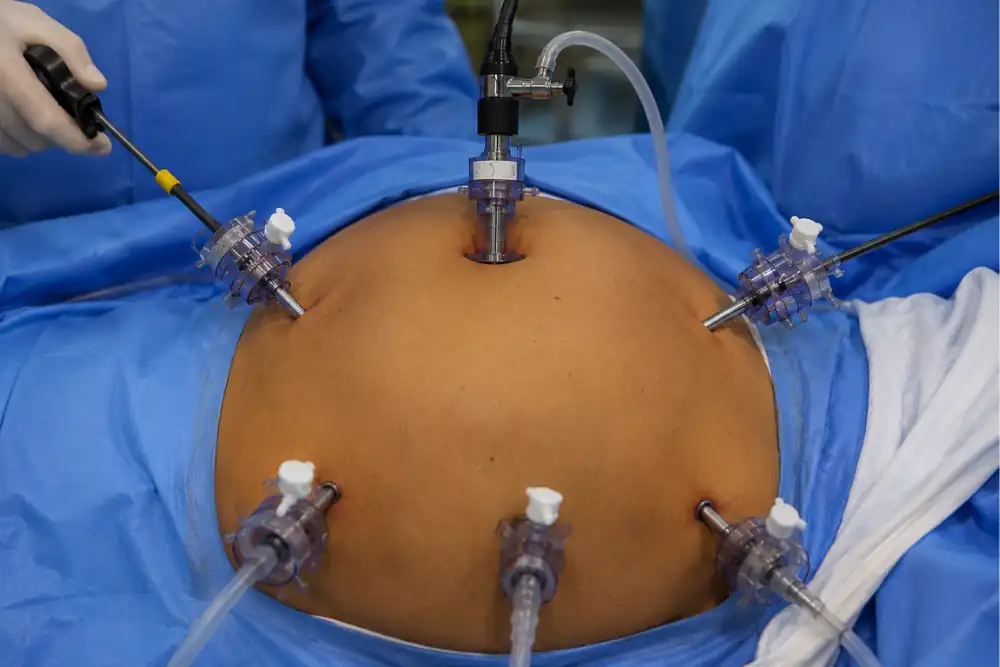
A few small incisions are made in the abdominal wall.
3
Camera-Guided Repositioning
A laparoscope guides precise repositioning and fixation of the rectum, often reinforced with mesh or sutures.
4
Closure & Recovery
Incisions are closed, and most patients are discharged within 1–2 days.
GOOD TO KNOW
As with any surgical procedure, laparoscopic rectopexy carries some general risks. These are uncommon and are discussed in detail during your consultation:
•Infection at the incision site
•Mild bleeding or bruising
•Reaction to anesthesia (screened for beforehand)
•Recurrence of prolapse (uncommon with surgical repair)
RECOVERY
What to Expect Afterward?
Day 0 — Surgery Day
Short rest period for anesthesia to wear off; light movement encouraged.
Days 1–3
Mild discomfort managed with prescribed pain relief; gentle walking encouraged.
Week 1
Return to light daily activities.
Weeks 2–4
Full recovery and return to normal routine, guided by your surgeon's advice.
FAQ
Common Questions
Most procedures are completed within one to two hours, depending on the technique used.
Yes, with modern laparoscopic techniques and proper care, rectal prolapse surgery is considered safe and effective.
Recurrence is uncommon when the procedure is performed correctly and post-surgery care is followed.
Most patients gradually return to normal activities within a few weeks.
Want to know more? Read the complete guide on rectal prolapse causes, symptoms & treatment.
This page is for general information only and does not replace an in-person medical consultation. Treatment recommendations vary by individual case — please book a consultation with Dr. S M Sarwar for personalized advice.