
A Condition Many Patients Hesitate to Talk About
Rectal prolapse is a condition that often goes unspoken, not because it is rare, but because many patients feel uncomfortable discussing it. It occurs when a portion of the rectum gradually slips out through the anus, leading to physical discomfort and emotional distress.
In the early stages, the symptoms may appear mild—perhaps only noticeable during bowel movements. However, over time, the condition can progress, making daily activities such as sitting, walking, or even social interaction increasingly uncomfortable.
The reassuring part is that with modern surgical advancements, rectal prolapse can now be treated safely and effectively. Patients no longer need to live with discomfort, as current treatment options focus on both long-term relief and faster recovery.
Understanding Rectal Prolapse in Simple Terms
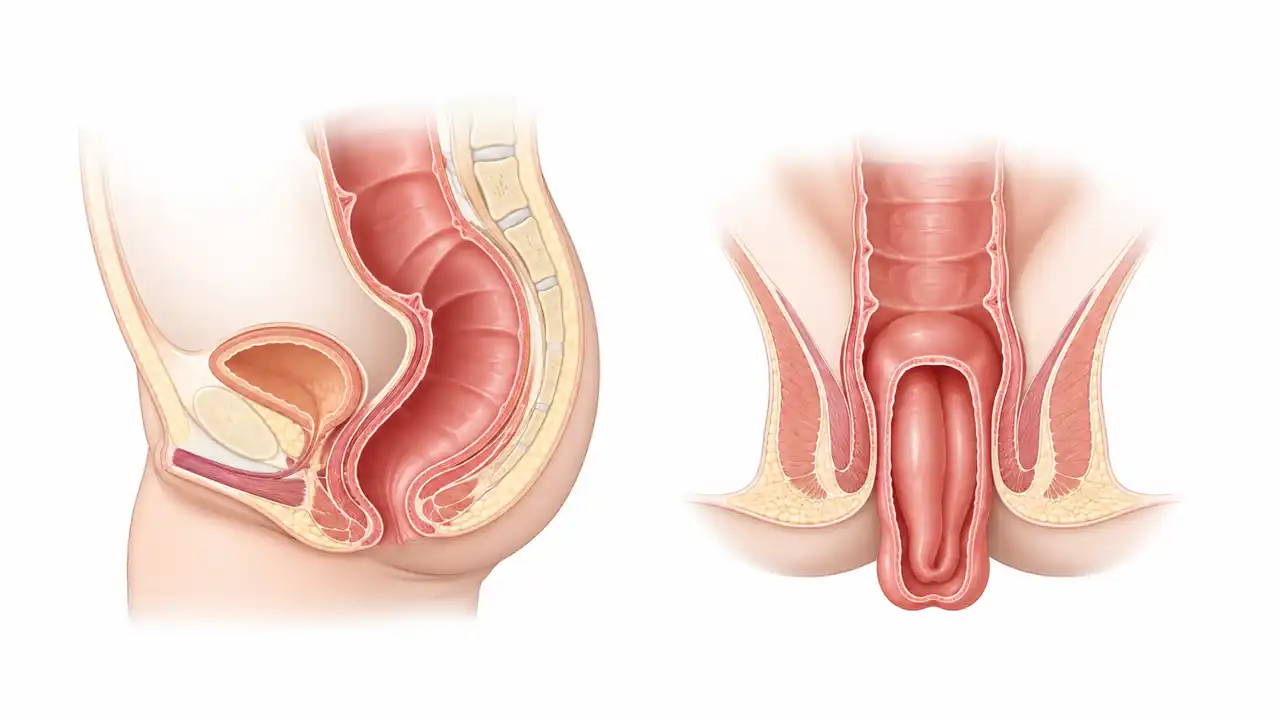
To understand rectal prolapse, it helps to think of the rectum as a structure that is normally supported by muscles and tissues inside the pelvis. When these supporting structures weaken over time, the rectum may begin to shift downward.
Initially, this movement may be temporary, with the rectum returning to its position on its own. But as the condition progresses, it may remain outside for longer periods or require manual repositioning. This not only causes discomfort but can also affect hygiene and confidence.
Patients often describe a sensation of pressure, incomplete bowel emptying, or something “not feeling right,” which gradually worsens if left untreated.
Why This Condition Develops Over Time
Rectal prolapse does not usually occur suddenly. Instead, it develops gradually due to long-term strain on the body’s support structures.
One of the most common contributing factors is chronic constipation, where repeated straining weakens the pelvic muscles over time. Aging also plays a role, as tissues naturally lose strength and elasticity. In some cases, previous surgeries or conditions affecting nerve function may contribute as well.
Because these changes happen slowly, many patients do not realize the seriousness of the condition until symptoms become more noticeable. This is why early attention is important—it allows for simpler treatment and better outcomes.
Why Surgery is Often the Most Effective Solution
While lifestyle changes such as improving diet or reducing strain can provide temporary relief in early cases, they do not correct the underlying structural problem.
Surgery remains the most reliable and long-term solution because it addresses the root cause—restoring the rectum to its normal position and securing it properly.
Modern surgical techniques are designed not only to fix the condition but also to minimize discomfort, reduce complications, and ensure a smoother recovery process. Patients today benefit from safer procedures and significantly improved outcomes compared to the past.

Modern Surgical Approaches and What Makes Them Better
Advancements in medical technology have transformed how rectal prolapse is treated. In many cases, surgeons now use minimally invasive techniques, such as laparoscopic surgery, which involve small incisions instead of large cuts.
This approach allows for greater precision while reducing trauma to the body. As a result, patients experience less postoperative pain, shorter hospital stays, and quicker return to daily activities.
The choice of surgical method depends on several factors, including the patient’s age, overall health, and severity of the condition. A personalized approach ensures the best possible outcome for each individual.
What Recovery Feels Like for Most Patients
Recovery after rectal prolapse surgery is generally smoother than many patients expect. With proper care and guidance, most individuals begin to feel improvement within a few days.
During the initial recovery phase, rest is important, but patients are usually encouraged to move lightly as soon as possible. This helps the body regain strength and supports healing.
Over the following weeks, discomfort gradually decreases, and normal activities can be resumed. Many patients notice a significant improvement not only in physical comfort but also in confidence and quality of life.

Life After Treatment: Returning to Normal with Confidence
One of the most important outcomes of successful treatment is the ability to return to a normal, active lifestyle. Activities that once caused discomfort or hesitation become manageable again.
Patients often describe a sense of relief—not just physically, but mentally as well. The constant worry about symptoms fades away, allowing them to focus on their daily lives without distraction.
Maintaining a healthy routine after recovery, including proper hydration and balanced nutrition, helps support long-term results and prevents unnecessary strain.

When Should You Seek Medical Attention?
Although rectal prolapse is treatable, delaying care can lead to worsening symptoms and more complex treatment later on.
If you notice persistent discomfort, a visible bulge, or changes in bowel control, it is important to seek medical advice. Early diagnosis not only simplifies treatment but also ensures faster recovery and better outcomes.
Frequently Asked Questions
How long does the surgery take?
Most procedures are completed within one to two hours, depending on the technique used.
Is the surgery safe?
Yes, with modern techniques and proper care, rectal prolapse surgery is considered safe and effective.
Will the condition return?
Recurrence is uncommon when the procedure is performed correctly and post-surgery care is followed.
How soon can normal life resume?
Most patients gradually return to normal activities within a few weeks.
Consult a Specialist
Rectal prolapse may feel difficult to discuss, but it is a medical condition that can be effectively treated. Seeking timely care is the first step toward relief and recovery.
📞 Book your consultation today and take control of your health
Medical Disclaimer
This content is for educational purposes only and should not be considered medical advice. Always consult a qualified healthcare professional for diagnosis and treatment.


