

Understanding How Your Diet Affects Colon Health
Your digestive system works continuously to absorb nutrients, eliminate waste, and maintain your overall health. At the center of this process is the colon, also known as the large intestine. Although many people only think about their colon when digestive symptoms appear, its health is closely influenced by the foods they eat every day. Every meal can either nourish your digestive system or gradually contribute to inflammation and disease.
Modern dietary habits have changed dramatically over the past few decades. Processed foods, sugary beverages, fast food, and meals low in dietary fiber have become part of everyday life for millions of people. While these foods may be convenient, regularly consuming them can alter the balance of beneficial bacteria in the gut, slow digestion, and increase the risk of constipation, bloating, hemorrhoids, diverticular disease, colon polyps, inflammatory bowel disease, and colorectal cancer.
The encouraging news is that many of these problems are preventable. By understanding how your daily diet affects your colon and making healthier food choices, you can improve digestive function, reduce inflammation, and protect your long-term health.
Why Your Colon Deserves More Attention
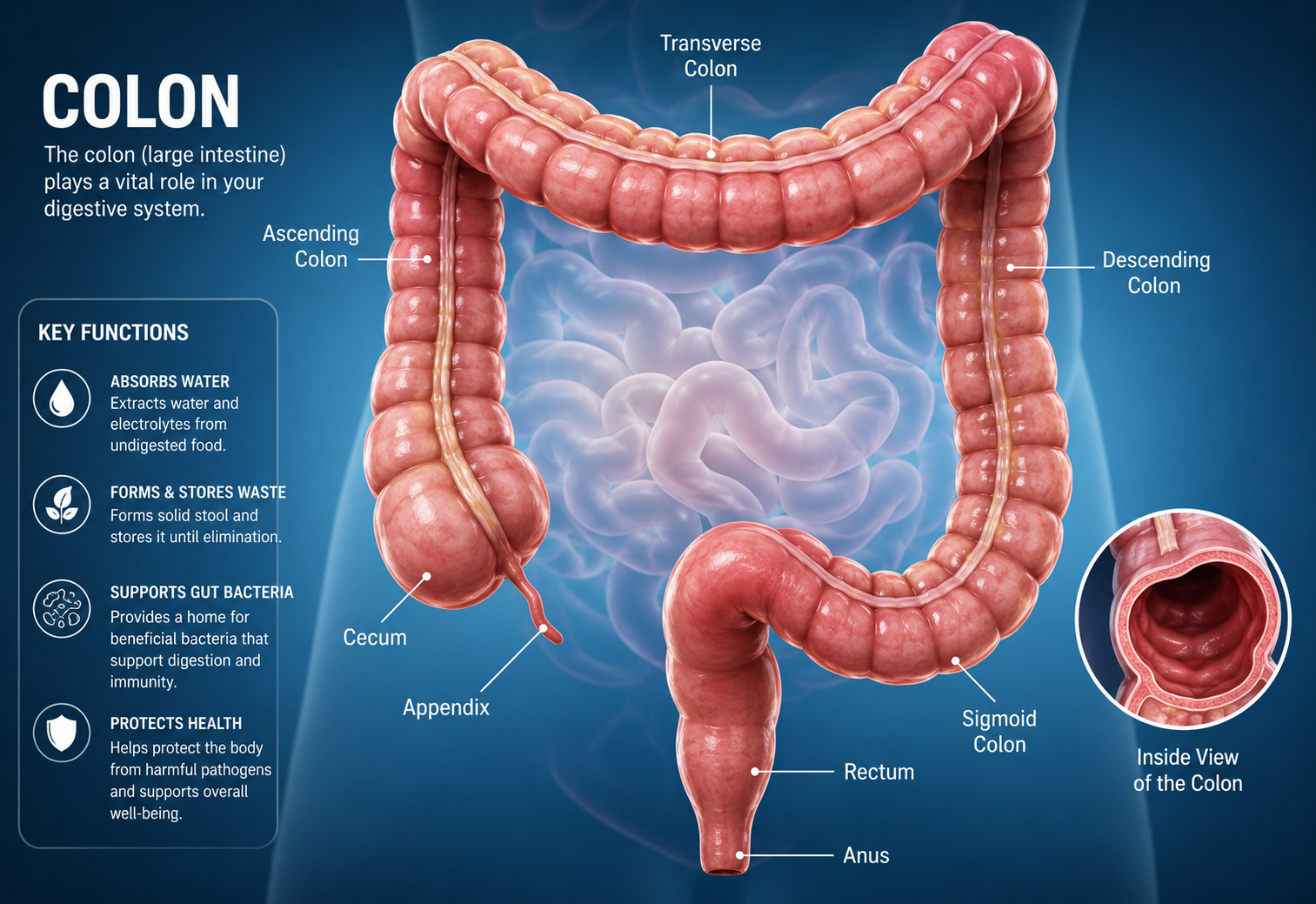
The colon is far more than a simple waste-storage organ. It absorbs water and electrolytes from digested food, forms stool, and houses trillions of beneficial microorganisms collectively known as the gut microbiome. These bacteria help digest certain foods, produce vitamins, strengthen the immune system, and protect the digestive tract from harmful microbes.
When the gut microbiome remains balanced, digestion becomes more efficient and bowel movements remain regular. However, unhealthy eating habits can disrupt this delicate ecosystem, allowing harmful bacteria to thrive while reducing the population of beneficial microbes. This imbalance may contribute to chronic digestive discomfort and increase the likelihood of developing colon-related diseases.
Many colon conditions develop gradually over several years without producing noticeable symptoms. For this reason, maintaining a healthy lifestyle before problems appear is one of the most effective ways to preserve digestive health.
How Unhealthy Eating Habits Can Damage Your Colon
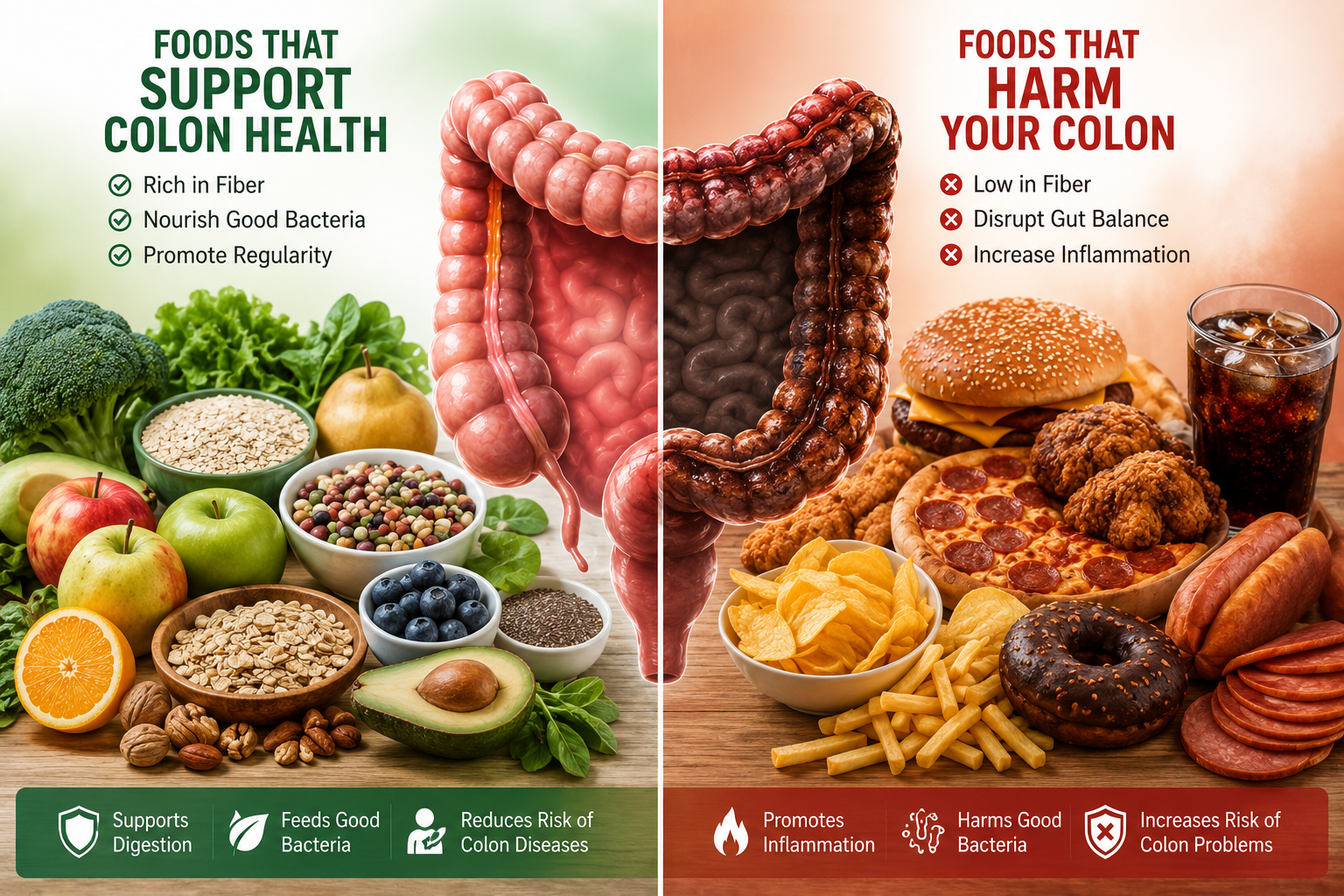
Every food choice influences your digestive system. Diets that are high in processed meat, refined carbohydrates, saturated fats, and added sugars but low in fruits, vegetables, and whole grains can negatively affect bowel function over time.
One of the biggest problems associated with a low-fiber diet is slower intestinal movement. Without enough fiber, stool becomes harder and remains in the colon for longer periods, increasing the likelihood of constipation and excessive straining during bowel movements. Persistent constipation may eventually contribute to hemorrhoids and diverticular disease.
Excessive consumption of processed meat and ultra-processed foods has also been associated with chronic inflammation within the digestive tract. Although these foods can be enjoyed occasionally, relying on them as daily dietary staples may increase the long-term risk of colorectal disease.
Sugary drinks and heavily processed snacks can also disrupt the balance of beneficial gut bacteria. Over time, this imbalance may contribute to digestive discomfort, abdominal bloating, and reduced overall colon health.
Signs That Your Diet May Be Affecting Your Colon
Many digestive symptoms that people ignore are often early warning signs that the colon is not functioning optimally. These symptoms may begin gradually and become more frequent as unhealthy eating habits continue.
Persistent constipation is one of the most common indicators of inadequate dietary fiber and poor hydration. Some individuals may instead experience frequent diarrhea or alternating episodes of constipation and diarrhea. Both situations deserve medical attention if they continue for several weeks.
Excessive gas, abdominal bloating, and discomfort after meals may also indicate an imbalance in the digestive system. Although these symptoms are often harmless, persistent digestive problems should never be ignored, particularly if they are accompanied by blood in the stool, unexplained weight loss, severe abdominal pain, or significant changes in bowel habits.
Early recognition of these warning signs allows timely medical evaluation and treatment before more serious complications develop.

Foods That Help Protect Your Colon
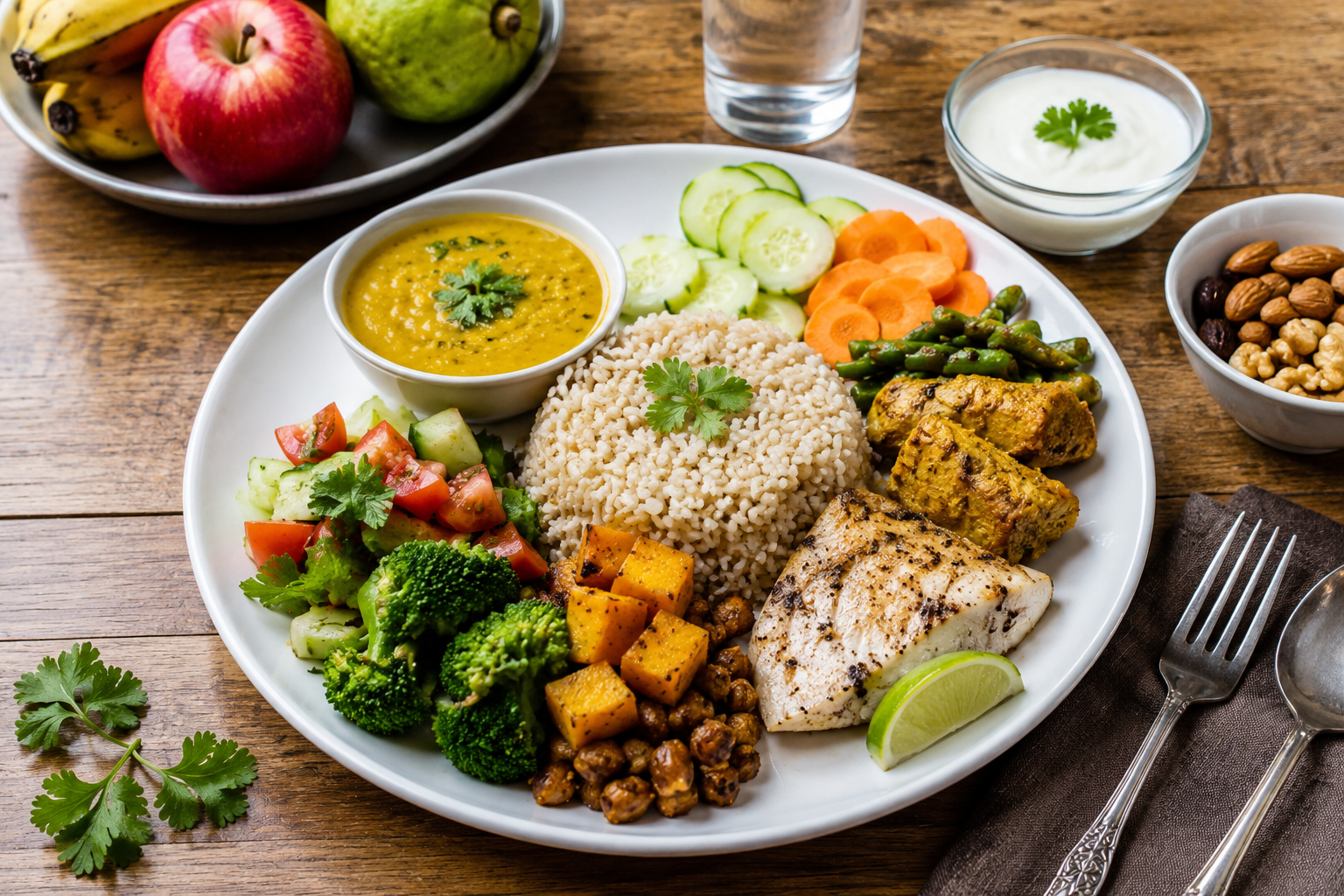
A healthy colon depends on a balanced diet that provides sufficient fiber, vitamins, minerals, antioxidants, and healthy fats. Fresh vegetables, fruits, legumes, and whole grains provide dietary fiber that supports regular bowel movements while nourishing beneficial bacteria within the colon.
Foods rich in probiotics, such as yogurt containing live cultures, help maintain a healthy gut microbiome. Healthy fats found in fish, nuts, seeds, and olive oil may also reduce inflammation and support digestive function.
Adequate hydration is equally important. Drinking enough water helps soften stool, allowing it to pass through the intestines more easily and reducing the likelihood of constipation. Combining healthy eating with regular physical activity creates an environment where the digestive system can function efficiently.
Rather than following restrictive diets, most healthcare professionals recommend maintaining a varied, balanced eating pattern that emphasizes whole foods while limiting highly processed products.
Foods That May Increase the Risk of Colon Problems
Although no single food directly causes colon disease, consistently following an unhealthy diet can significantly increase the risk of digestive disorders over time. Meals high in processed ingredients, unhealthy fats, refined carbohydrates, and added sugars may disrupt normal bowel function and alter the balance of beneficial bacteria that protect the digestive system.
Processed meats such as sausages, bacon, salami, and hot dogs have been linked to a higher risk of colorectal disease when consumed frequently over many years. Similarly, diets rich in deep-fried foods and fast food often contain excessive saturated fat and very little dietary fiber, making digestion slower and increasing the likelihood of constipation.
Sugary beverages and highly processed snacks provide large amounts of calories with minimal nutritional value. Regular consumption may contribute to obesity, chronic inflammation, and metabolic disorders, all of which are associated with poorer digestive health. Choosing fresh, minimally processed foods instead of packaged alternatives can have a positive impact on both your colon and your overall well-being.

Lifestyle Habits That Support a Healthy Colon
Diet is only one part of maintaining a healthy digestive system. Everyday lifestyle choices also influence how efficiently the colon functions. Regular physical activity helps stimulate normal bowel movements, while adequate hydration keeps stool soft and easier to pass through the intestines.
Stress can also affect digestive health. Long-term stress may alter bowel habits, increase abdominal discomfort, and worsen symptoms in people with existing gastrointestinal conditions. Maintaining a consistent sleep schedule, exercising regularly, and finding healthy ways to manage stress can all contribute to better digestive function.
Avoiding smoking and limiting alcohol consumption are equally important. These habits have been associated with an increased risk of several digestive diseases, including colorectal cancer. A healthy lifestyle combined with balanced nutrition provides the strongest foundation for long-term colon health.

When Should You Consider a Colonoscopy?
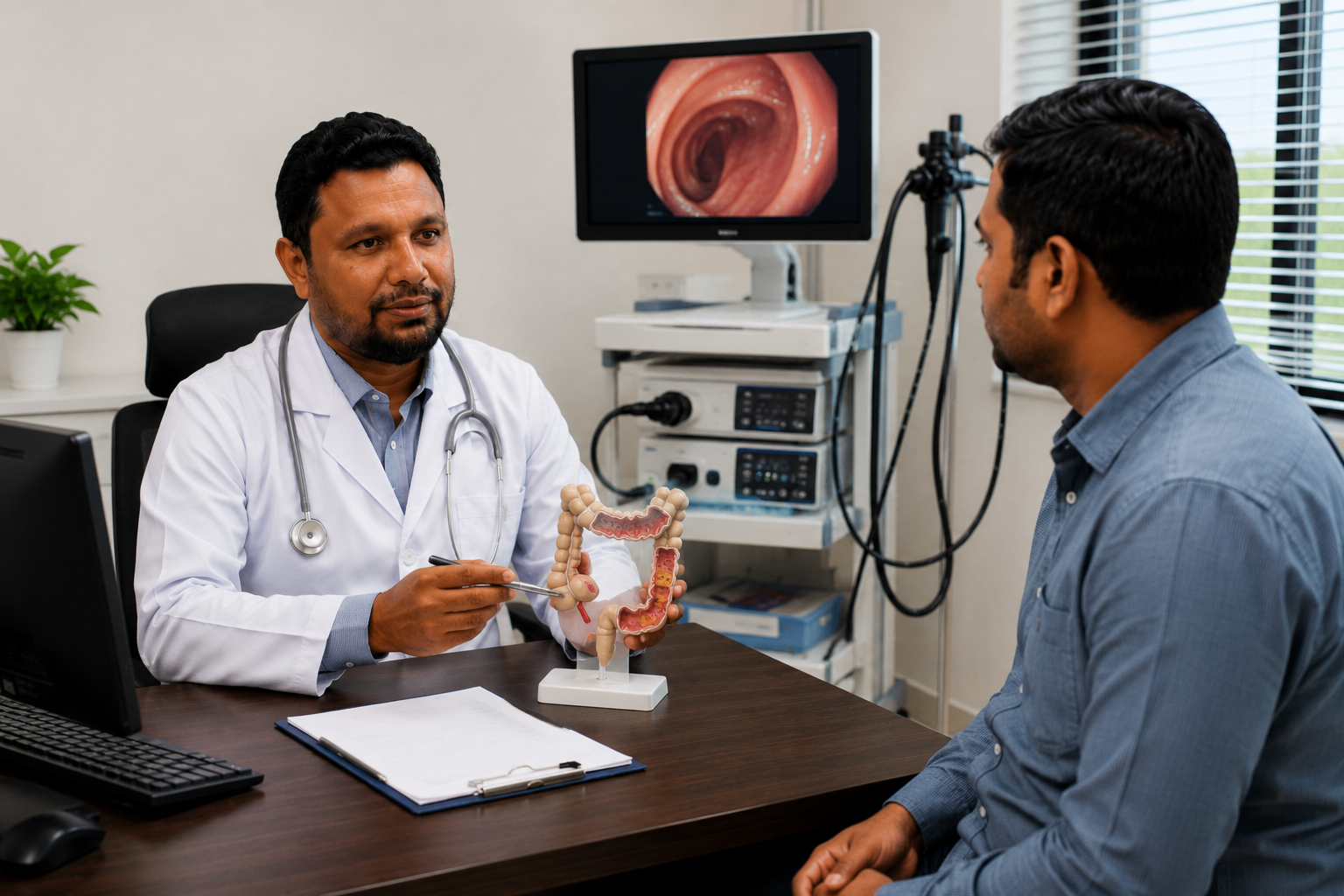
Many colon diseases develop silently before noticeable symptoms appear. A colonoscopy is one of the most effective screening and diagnostic procedures available because it allows doctors to examine the inside of the colon, identify abnormalities, and even remove certain precancerous polyps during the same procedure.
You should seek medical advice if you experience persistent constipation, unexplained changes in bowel habits, blood in your stool, ongoing abdominal pain, or unexplained weight loss. Individuals with a family history of colorectal cancer or inflammatory bowel disease may require screening at an earlier age than the general population.
Early detection greatly improves treatment outcomes. In many cases, identifying colon problems before symptoms become severe allows doctors to provide less invasive and more effective treatment.
Simple Daily Habits for Better Colon Health
Protecting your colon does not require complicated diets or expensive supplements. Small, consistent lifestyle improvements can make a significant difference over time. Eating a variety of fruits, vegetables, legumes, and whole grains provides the fiber needed for healthy digestion, while drinking enough water helps maintain regular bowel movements.
Limiting processed foods, reducing sugary drinks, and choosing lean sources of protein instead of processed meats can further support digestive health. Staying physically active, maintaining a healthy weight, and scheduling routine medical check-ups also play important roles in preventing colon-related diseases.
Most importantly, never ignore persistent digestive symptoms. Early medical evaluation can identify problems before they progress into more serious conditions.

Frequently Asked Questions
Can changing my diet really improve colon health?
Yes. A balanced diet rich in fiber, fruits, vegetables, whole grains, and adequate fluids supports healthy digestion, improves bowel regularity, and promotes a healthier gut microbiome.
How much fiber should adults consume each day?
Most adults should aim for approximately 25–35 grams of dietary fiber daily, depending on age and sex.
Are probiotics beneficial for the colon?
Probiotic-rich foods such as yogurt with live cultures may help maintain a healthy balance of gut bacteria and support digestive health. However, they should complement—not replace—a balanced diet.
Is occasional fast food harmful?
Eating fast food occasionally is unlikely to cause significant harm. Problems are more likely to arise when highly processed foods become a regular part of your daily diet.
When should I see a doctor for digestive symptoms?
Persistent constipation, ongoing diarrhea, rectal bleeding, unexplained abdominal pain, unintended weight loss, or significant changes in bowel habits should always be evaluated by a qualified healthcare professional.
Consult an Experienced Specialist
Your digestive health is too important to ignore. If you experience persistent bowel problems, abdominal discomfort, rectal bleeding, or other concerning symptoms, consult an experienced gastrointestinal or colorectal specialist. Early diagnosis and personalized treatment can prevent complications and help you maintain a healthier digestive system for years to come.
📞 Book Your Consultation Today
⚠ Medical Disclaimer
This article is intended for educational purposes only and should not be considered a substitute for professional medical advice, diagnosis, or treatment. Always consult a qualified surgeon regarding any medical condition or treatment decisions.


