

Understanding the Condition and When Surgery Is Needed
A lump or swelling in the testicle is a condition that should never be ignored. While some scrotal swellings are harmless, others may indicate a serious underlying problem requiring immediate medical attention. Among the most important conditions are testicular tumors and testicular hematomas. Although these two disorders can produce similar symptoms, they differ significantly in their causes, diagnosis, and treatment.
A testicular tumor develops due to abnormal cell growth within the testicle and may be either benign or malignant. Testicular cancer is one of the most treatable solid cancers in young men when diagnosed early, making prompt medical evaluation extremely important. In contrast, a testicular hematoma is caused by bleeding inside or around the testicle, usually following trauma or injury. Many hematomas resolve with conservative treatment, but larger collections of blood may require surgical intervention to prevent permanent damage to the testicle.
Because both conditions can affect fertility, hormonal function, and overall health, early diagnosis by an experienced urological surgeon offers the best opportunity for successful treatment and long-term recovery.
What Is a Testicular Tumor?
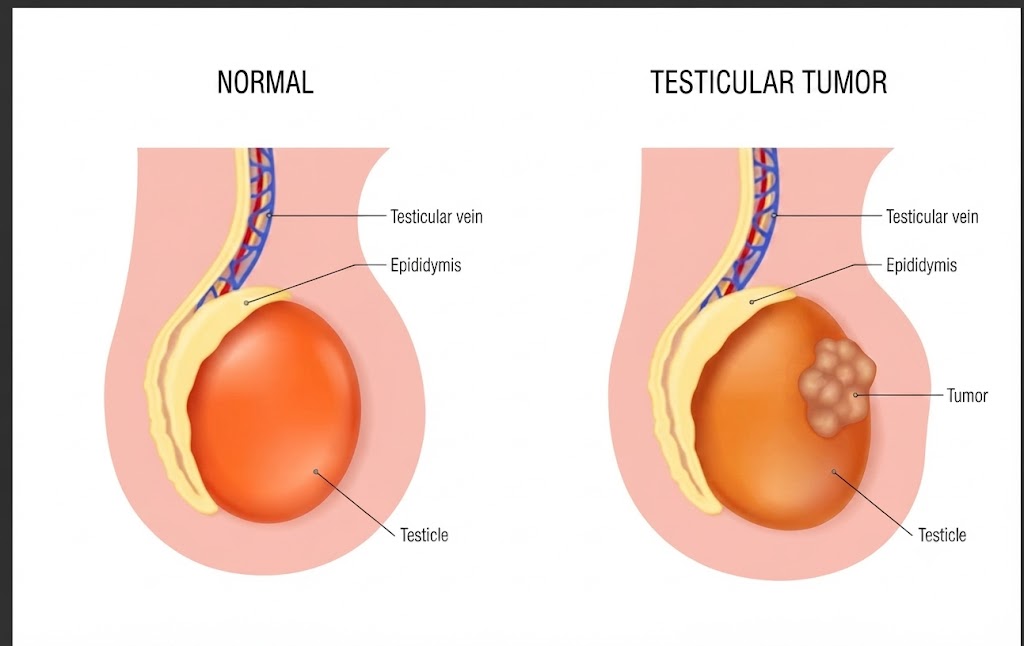
A testicular tumor is an abnormal growth of cells within the testicular tissue. In most cases, these tumors originate from germ cells, which are responsible for sperm production. Although the word “tumor” often raises concern about cancer, not every testicular mass is malignant. Nevertheless, every newly discovered testicular lump should be considered suspicious until appropriate investigations confirm the diagnosis.
One of the challenges in diagnosing testicular tumors is that they frequently cause very little discomfort during the early stages. Many patients notice only a painless enlargement or a firm lump within one testicle. Because the condition may progress silently, delaying medical consultation can allow the disease to advance. Fortunately, with modern imaging techniques, accurate diagnosis, and timely surgical management, the prognosis for most patients is excellent.
What Is a Testicular Hematoma?
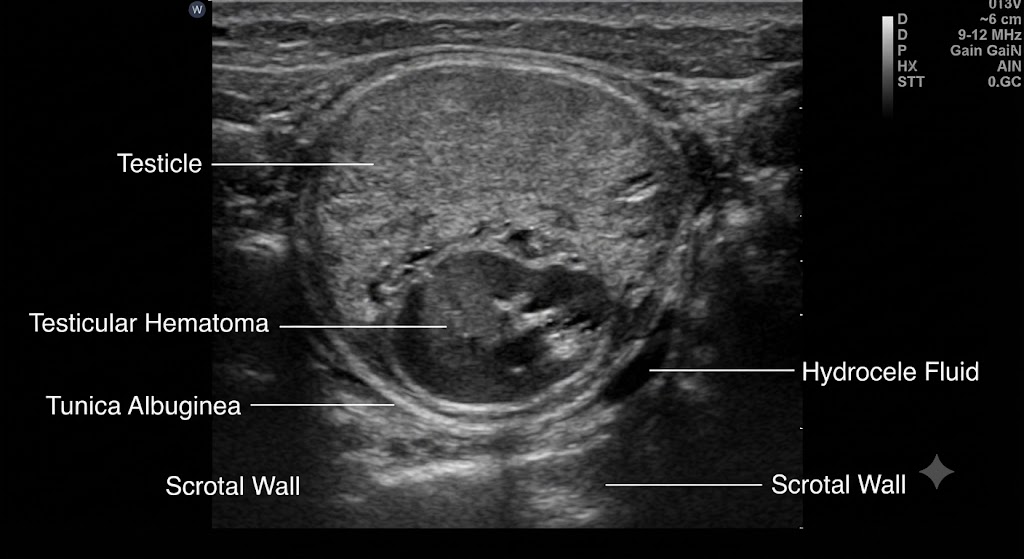
A testicular hematoma is a localized collection of blood that forms inside or around the testicle following injury. It most commonly occurs after sports injuries, road traffic accidents, direct impact to the scrotum, or surgical procedures involving the groin or scrotal region.
The severity of a hematoma depends on the extent of bleeding and whether the testicle itself has been damaged. Small hematomas often improve gradually with rest, pain control, and close observation. However, large hematomas may compress healthy testicular tissue, impair blood circulation, and increase the risk of infection or tissue loss. In such situations, surgical exploration and drainage become necessary to preserve normal testicular function.
How Do These Conditions Present?
Although their causes differ, testicular tumors and hematomas often produce similar early symptoms. Patients may notice swelling, a newly developed lump, or a feeling of heaviness within the scrotum. A tumor usually enlarges slowly and is frequently painless, whereas a hematoma often develops suddenly after trauma and is associated with pain, bruising, and tenderness.
Because these symptoms overlap, it is impossible to distinguish between the two conditions based on symptoms alone. A comprehensive clinical examination followed by scrotal ultrasound is essential for establishing an accurate diagnosis.
When Should You Seek Medical Attention?
Many patients postpone seeking medical care because the swelling is painless or they hope it will resolve spontaneously. Unfortunately, this delay may result in missed opportunities for early diagnosis, particularly in cases of testicular cancer.
Medical evaluation is recommended whenever a new lump, persistent swelling, or sudden enlargement of the testicle is noticed. Similarly, severe pain or swelling following trauma should always be assessed promptly to exclude testicular rupture or a large hematoma requiring emergency surgery.
Early consultation with an experienced urological surgeon not only improves treatment outcomes but also helps preserve fertility, hormonal function, and overall quality of life.
Diagnosis and Surgical Treatment
A patient presenting with a testicular lump or significant scrotal swelling requires a thorough evaluation before any treatment decisions are made. Because the symptoms of a testicular tumor and a testicular hematoma can overlap, modern diagnostic investigations play a vital role in identifying the underlying condition and determining whether surgery is necessary.
The primary goal is not only to establish an accurate diagnosis but also to preserve testicular function whenever possible while ensuring that potentially life-threatening conditions, such as testicular cancer, are treated without delay.
Clinical Evaluation and Diagnostic Tests
The diagnostic process begins with a detailed medical history and physical examination. Your urologist will ask about the onset of symptoms, any recent injuries, previous surgeries, and associated pain or swelling. During the examination, the size, consistency, and tenderness of the testicle are carefully assessed.
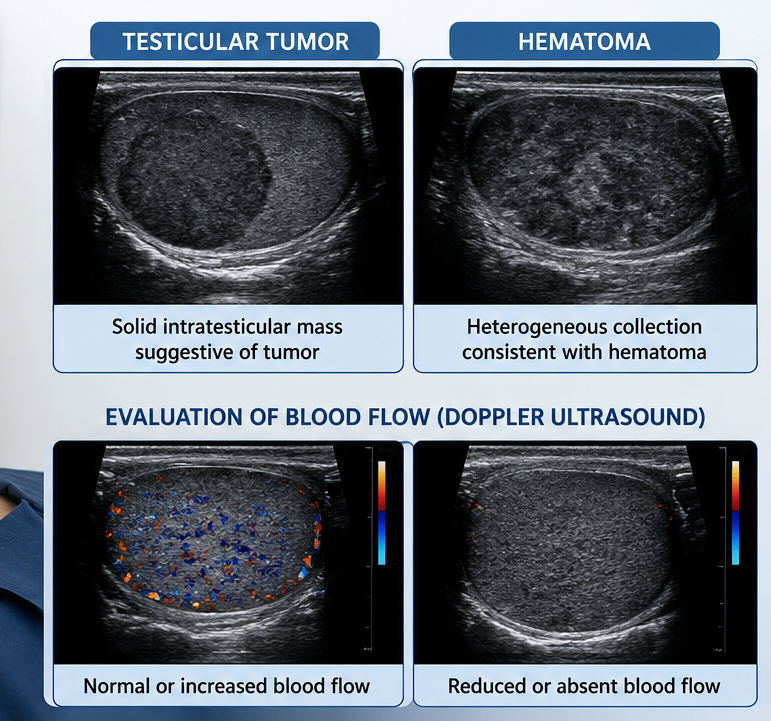
The most important investigation is scrotal ultrasonography, which provides detailed images of the testicle and surrounding structures. Ultrasound can usually distinguish a solid tumor from a fluid-filled lesion or a hematoma and also evaluates blood flow using Doppler imaging. This non-invasive examination is painless, highly accurate, and remains the first-line imaging modality for most patients.
When a testicular tumor is suspected, additional blood tests are performed to measure tumor markers, including Alpha-fetoprotein (AFP), Beta-human Chorionic Gonadotropin (β-hCG), and Lactate Dehydrogenase (LDH). These markers help support the diagnosis, assist in staging, and provide valuable information for postoperative monitoring.
In selected cases, CT scanning of the chest, abdomen, and pelvis may be recommended to determine whether the disease has spread beyond the testicle. This information is essential for planning further treatment if malignancy is confirmed.
When Is Surgery Recommended?
Not every patient with testicular swelling requires immediate surgery. Small hematomas caused by minor injuries often improve with rest, pain relief, and careful observation. However, surgery becomes necessary when imaging suggests a solid testicular tumor, when a hematoma continues to enlarge, or when severe pain and compromised blood supply threaten the viability of the testicle.
For patients with a suspected testicular tumor, surgery is both a diagnostic and therapeutic procedure. Removing the affected testicle allows the tissue to be examined under a microscope, providing a definitive diagnosis and helping determine whether further treatment is required.
In cases of testicular hematoma, surgical exploration is considered when conservative management fails, when bleeding persists, or when the hematoma compresses healthy tissue. Early intervention can prevent infection, relieve pain, and preserve as much normal testicular tissue as possible.
Surgical Treatment
The type of surgery depends entirely on the underlying diagnosis.
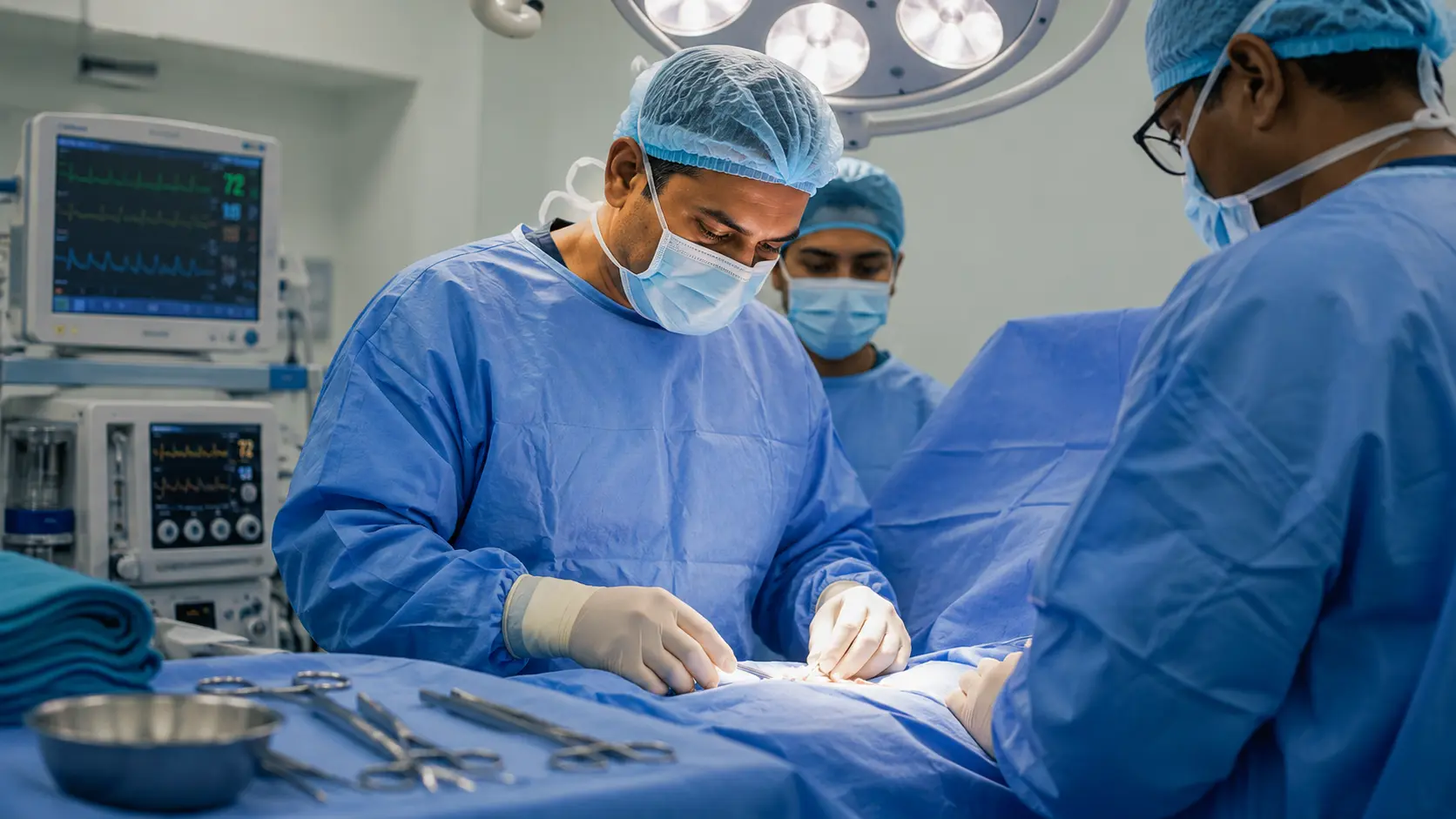
For testicular tumors, the standard procedure is a radical inguinal orchiectomy. Rather than making an incision in the scrotum, the surgeon approaches the testicle through the groin. This internationally accepted technique minimizes the risk of spreading tumor cells and allows complete removal of the affected testicle for pathological examination.
For testicular hematomas, the objective is different. The surgeon carefully removes accumulated blood, controls active bleeding, and evaluates the condition of the testicular tissue. Whenever possible, healthy tissue is preserved to maintain hormonal function and fertility.
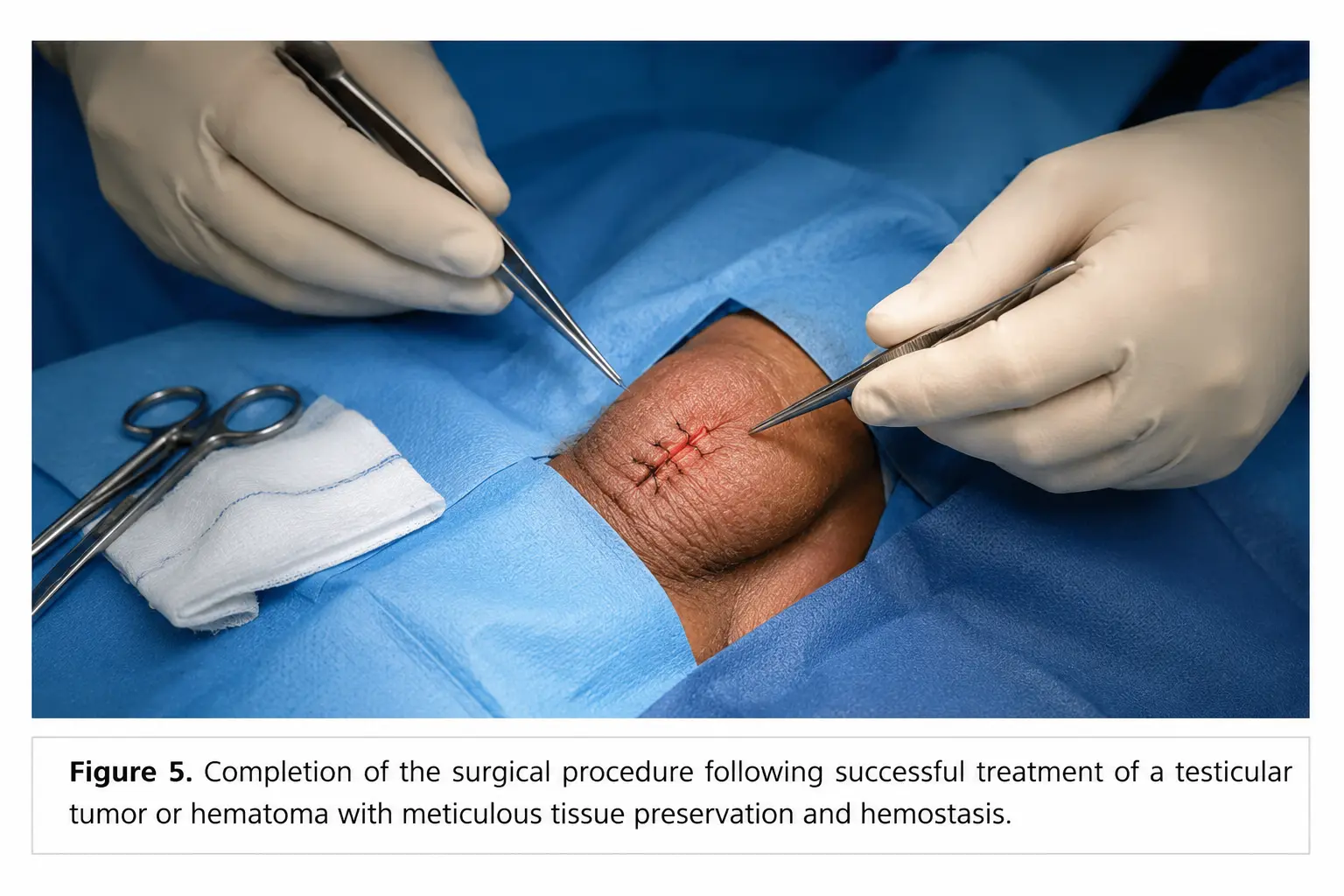
Modern surgical techniques emphasize meticulous tissue handling, effective bleeding control, and careful preservation of surrounding structures. These principles help reduce postoperative complications and promote faster recovery.
What Happens After Surgery?
Once the procedure is completed, the removed tissue—if applicable—is sent for histopathological examination. This microscopic analysis confirms the final diagnosis and determines whether additional treatment, such as chemotherapy, radiotherapy, or long-term surveillance, is necessary.
Patients are closely monitored during the immediate postoperative period, and individualized follow-up plans are developed based on the final diagnosis and pathology results.
Recovery, Follow-up & Long-Term Outlook
Successful surgery is only the beginning of the recovery journey. Whether the procedure was performed to remove a testicular tumor or to treat a testicular hematoma, proper postoperative care and regular follow-up play an essential role in achieving the best possible outcome. Careful monitoring helps ensure that healing progresses normally, complications are identified early, and patients can safely return to their daily activities.
With modern surgical techniques and appropriate postoperative management, most patients experience an uncomplicated recovery and gradually resume their normal lifestyle within a few weeks.
Recovery After Testicular Surgery
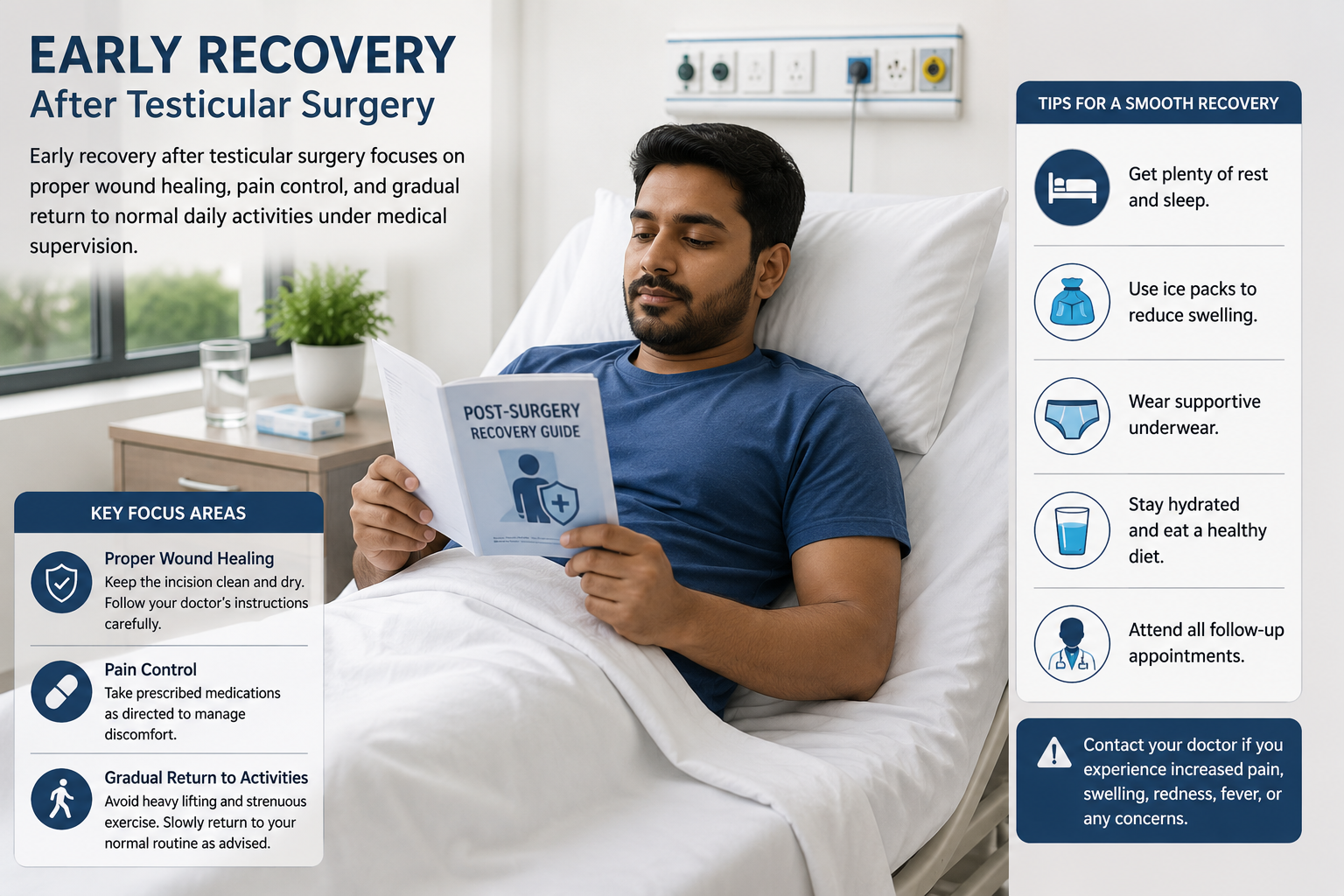
Recovery varies depending on the type of surgery performed, the patient’s general health, and the underlying condition. Most patients are encouraged to begin gentle walking on the day of surgery or shortly afterward to improve circulation and reduce the risk of complications.
During the first few days, mild discomfort, swelling, and bruising around the surgical area are common and usually improve gradually with prescribed medications and proper wound care. Wearing supportive underwear or a scrotal support helps reduce swelling and provides additional comfort during the healing process.
Patients are generally advised to avoid strenuous exercise, heavy lifting, cycling, and sexual activity until their surgeon confirms that healing is progressing normally. Following these recommendations helps protect the surgical site and reduces the likelihood of postoperative complications.
Postoperative Follow-up
Follow-up appointments are an important part of treatment and should never be overlooked. During these visits, the surgeon carefully examines the surgical site, evaluates wound healing, reviews pathology results when applicable, and discusses any further treatment that may be required.
For patients treated for a testicular tumor, follow-up may also include repeat blood tests for tumor markers and imaging studies to monitor long-term recovery and detect any signs of recurrence at an early stage.
Patients treated for a testicular hematoma are usually reviewed to confirm complete resolution of swelling, preservation of blood flow to the testicle, and restoration of normal function.
These regular assessments provide reassurance for patients while allowing the medical team to address concerns before they develop into significant problems.
Possible Complications
Although modern testicular surgery is considered safe, every surgical procedure carries some degree of risk. Fortunately, significant complications are uncommon when surgery is performed by an experienced urological surgeon.
Minor swelling and temporary discomfort are expected during the early recovery period. Less commonly, bleeding, wound infection, fluid collection, or delayed healing may occur. In patients undergoing surgery for testicular cancer, additional treatment may sometimes be recommended depending on the final pathology findings.
Most complications can be successfully managed when identified early, highlighting the importance of attending all scheduled follow-up appointments.
Long-Term Outlook
The long-term prognosis depends largely on the underlying diagnosis and how early treatment was initiated.
Patients undergoing surgery for a testicular hematoma usually recover completely once the bleeding has resolved and healthy testicular tissue has been preserved. Normal daily activities, including work and exercise, can typically be resumed after the recommended recovery period.
For testicular tumors, early diagnosis remains the most important factor influencing treatment success. Thanks to advances in urological surgery, pathology, and oncology, testicular cancer now has one of the highest cure rates among solid malignancies, particularly when treated at an early stage.
Long-term surveillance remains an important part of care and helps ensure continued health and peace of mind.
When Should You Contact Your Surgeon?
Although most patients recover without difficulty, medical advice should be sought promptly if you develop increasing pain, excessive swelling, persistent bleeding, fever, wound discharge, or any new symptoms during recovery. Early assessment allows potential complications to be treated before they become more serious.
Conclusion
A testicular lump, swelling, or injury should always be evaluated by a qualified urological surgeon. Whether the diagnosis is a testicular tumor or a testicular hematoma, early diagnosis and timely surgical management offer the best opportunity for preserving health, fertility, and quality of life.
Modern surgical techniques, combined with accurate diagnosis and structured postoperative follow-up, enable most patients to recover successfully and return to their normal routines with confidence. If you notice any unusual change in your testicle or experience persistent scrotal pain or swelling, seeking expert medical care without delay is the most important step toward achieving the best possible outcome.


