
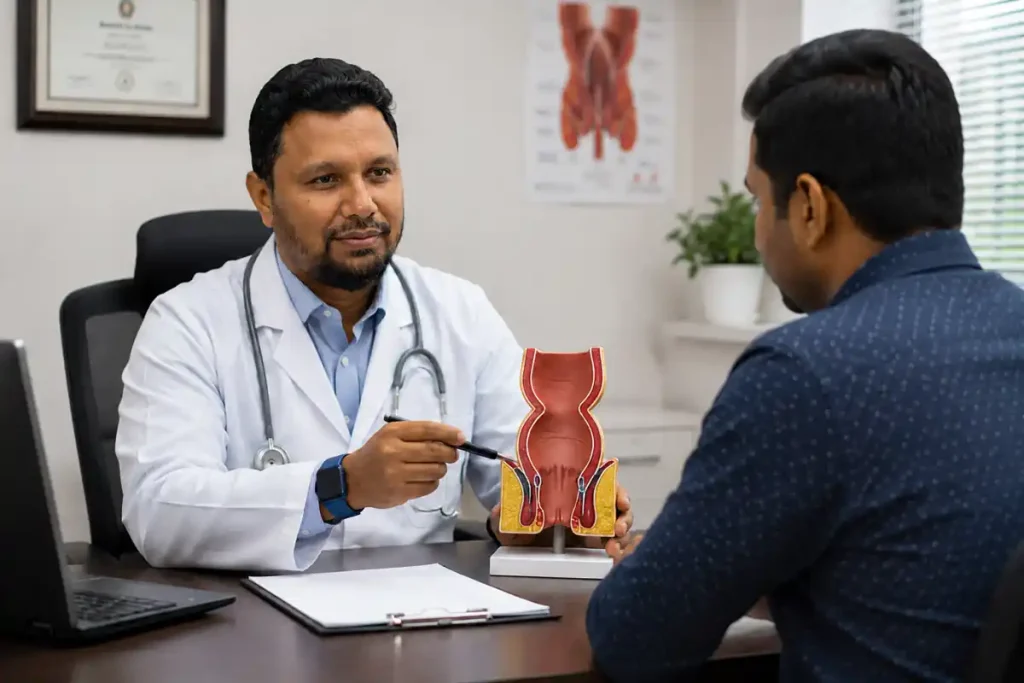
Pain Shouldn’t Control Your Daily Life
For many people, the most stressful part of the day isn’t work or traffic—it’s going to the bathroom.
What begins as a tiny tear inside the anal canal can gradually turn into a painful daily routine. The fear of sharp pain during every bowel movement often leads patients to delay using the toilet, making constipation worse and creating a cycle that’s difficult to break.
Many people spend months trying creams, home remedies, herbal products, or over-the-counter medications. While these approaches may help acute fissures, they don’t always solve the underlying problem when the fissure becomes chronic. Persistent muscle spasm can prevent the tissue from healing naturally, allowing pain and bleeding to return again and again.
The good news is that colorectal care has changed significantly over the last decade. Modern laser technology now allows experienced surgeons to treat carefully selected patients with greater precision and less unnecessary tissue trauma than many conventional techniques.
Among these innovations, Lasotronix Laser Technology has become an advanced option for managing chronic anal fissures in suitable candidates. Rather than focusing only on the visible tear, laser treatment aims to support healing while preserving surrounding healthy tissue.
If you’ve been wondering why your fissure isn’t improving—or whether laser treatment could be an option—this guide will walk you through everything you need to know, from understanding the condition to exploring modern treatment and recovery.
Quick Insight
A chronic anal fissure is often painful not because the tear is large, but because the surrounding anal muscle remains in constant spasm. Reduced blood flow makes natural healing much more difficult.
Why Does Such a Small Tear Cause So Much Pain?
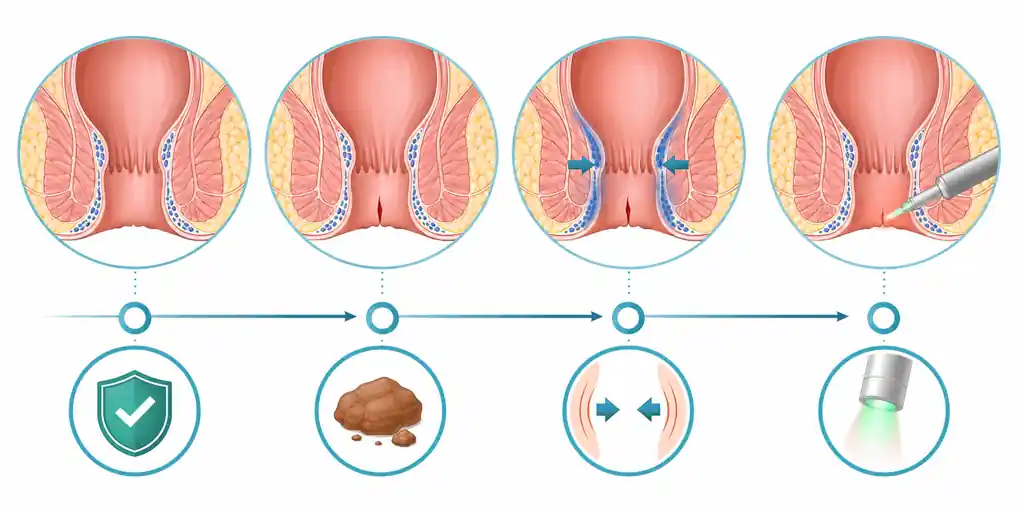
One of the most surprising things about an anal fissure is that its size rarely reflects how painful it feels. Even a tiny crack in the lining of the anal canal can expose sensitive nerve endings, making bowel movements extremely uncomfortable.
Each time stool passes through the area, the wound may reopen. In response, the internal anal sphincter muscle tightens automatically, reducing blood circulation to the injured tissue. Without adequate blood supply, healing slows down, and the cycle of pain continues.
This explains why some fissures heal within a few weeks, while others remain painful for months.
When Does an Anal Fissure Become Chronic?
Not every fissure requires surgery or laser treatment.
An acute fissure often improves with conservative management, including dietary changes, adequate hydration, stool softeners, and prescribed medications. However, when symptoms continue for more than six weeks despite appropriate treatment, the fissure is generally considered chronic.
At this stage, scar tissue may develop, and healing becomes increasingly difficult without addressing the underlying muscle spasm.
Could Your Symptoms Be Caused by an Anal Fissure?
Many patients experience one or more of the following:
- Sharp pain during bowel movements
- Burning pain that lasts long after using the toilet
- Bright red bleeding on toilet paper
- A small crack near the anal opening
- Itching or irritation around the anus
- Fear of passing stool because of pain
- Constipation caused by avoiding bowel movements
Although these symptoms are common, they can also occur with other anorectal conditions such as haemorrhoids. A proper clinical examination is essential for an accurate diagnosis.
Who Is More Likely to Develop Chronic Anal Fissures?
Certain factors increase the risk of developing persistent fissures:
- Chronic constipation
- Passing hard or large stools
- Frequent straining
- Long-term diarrhoea
- Low-fibre eating habits
- Poor hydration
- Pregnancy and childbirth
- Inflammatory bowel disease
- Previous anorectal injury
Understanding these risk factors is just as important as treating the fissure itself because correcting the underlying cause helps reduce future recurrence.
Doctor’s Perspective
“Laser treatment is not the first step for every patient. Our priority is always to determine why the fissure developed, assess whether conservative treatment has been effective, and recommend the most appropriate option based on the individual’s clinical condition.”
When Is It Time to Consider Advanced Laser Treatment?
If your symptoms continue despite medication, dietary improvements, and healthy bowel habits, it may be time to consult a colorectal specialist.
Laser treatment may be considered when:
- The fissure has become chronic.
- Pain continues to interfere with daily life.
- Bleeding repeatedly returns.
- Conservative treatment has not been successful.
- Clinical evaluation confirms that minimally invasive laser treatment is appropriate.
The final decision should always be made after a comprehensive examination by a qualified colorectal surgeon. Because every patient is different, treatment should be personalised rather than based on symptoms alone.
When Conservative Treatment Is No Longer Enough
For many patients, simple measures such as increasing fibre intake, drinking more water, using prescribed ointments, and taking warm sitz baths are enough to relieve symptoms. However, when weeks pass without meaningful improvement, continuing the same treatment may only prolong discomfort.
A chronic anal fissure behaves differently from an acute one. Persistent muscle spasm limits blood flow to the affected area, making natural healing increasingly difficult. In these situations, your colorectal surgeon may recommend a more definitive treatment based on your examination findings.
The goal is not simply to relieve pain—but to restore the conditions that allow the fissure to heal.
Why Modern Laser Technology Is Different
Unlike traditional surgical instruments that rely on cutting tissue, advanced laser technology delivers concentrated energy with remarkable precision.
With Lasotronix Laser Technology, the surgeon can accurately target the diseased tissue while minimising unnecessary damage to surrounding healthy structures. This tissue-preserving approach is one of the reasons laser treatment has become an attractive option for carefully selected patients.
It is important to remember that the laser itself is a surgical tool—not a replacement for surgical expertise. Successful outcomes depend on careful patient selection, accurate diagnosis, and the experience of the treating colorectal surgeon.
Patient Journey
Your Treatment Journey May Look Like This
Consultation → Diagnosis → Treatment Planning → Laser Procedure → Recovery → Follow-up Care
Every patient follows a personalised pathway. Some individuals improve with medication alone, while others may benefit from laser treatment after conservative management has failed.
Potential Benefits of Laser Fissure Treatment
Although recovery varies from person to person, laser treatment may offer several potential advantages for suitable candidates:
✔ Greater surgical precision
✔ Minimal trauma to surrounding tissue
✔ Reduced bleeding during the procedure
✔ Less postoperative discomfort in many patients
✔ Faster return to normal daily activities for selected individuals
✔ Preservation of normal anal anatomy
✔ Short hospital stay in many cases
These benefits should always be considered alongside your overall health, clinical findings, and the surgeon’s recommendations.
How Does the Procedure Work?
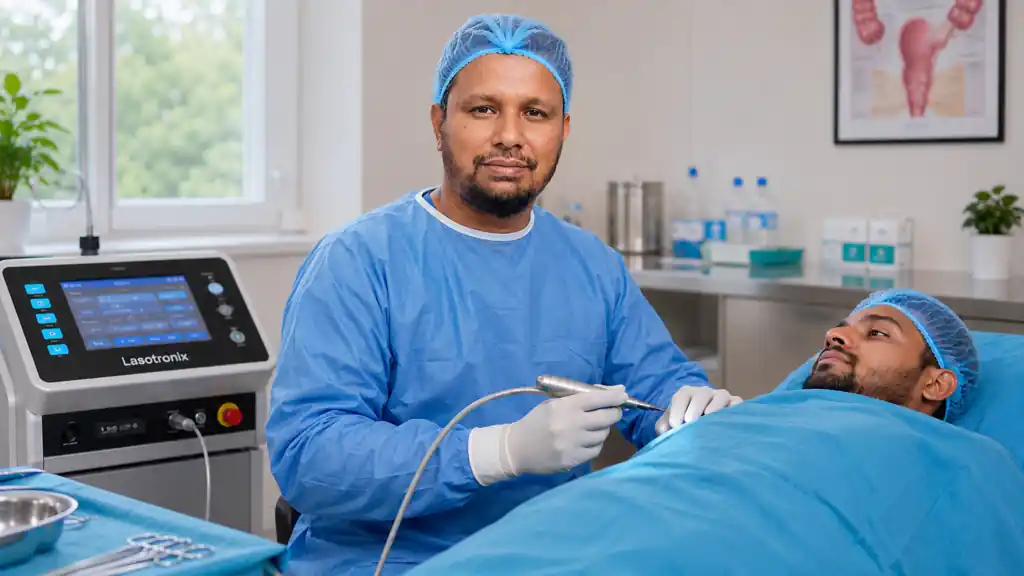
Rather than making large surgical cuts, the surgeon uses a specialised laser fibre connected to the Lasotronix Laser System to precisely treat the chronic fissure.
The laser energy is carefully delivered to the affected tissue under controlled settings. This helps remove unhealthy tissue while preserving nearby healthy structures. In appropriately selected cases, the procedure may also contribute to reducing the muscle spasm that interferes with healing.
Because the treatment is highly targeted, unnecessary tissue trauma is minimised, which may support a more comfortable postoperative recovery.
Inside the Procedure: Step by Step
Before the Procedure
After confirming that laser treatment is appropriate, your surgeon will explain the procedure, expected benefits, possible risks, and postoperative care. Any required blood tests or preoperative assessments will also be completed.
During the Procedure
Appropriate anaesthesia is administered to ensure comfort throughout the treatment. The surgeon then performs the laser procedure using advanced Lasotronix Laser Technology, carefully treating the affected area while preserving surrounding healthy tissue.
Immediately Afterwards
Once the procedure is complete, you will be observed in the recovery area until you are medically stable. Many patients can return home the same day, although this depends on individual circumstances and your surgeon’s advice.
🩺 Doctor’s Note
The objective of laser treatment is not simply to use advanced technology—it is to choose the safest and most appropriate treatment for each individual patient. Not every chronic fissure requires laser therapy, and not every patient is an ideal candidate.
Preparing Yourself for the Procedure
Good preparation helps ensure a smoother surgical experience and recovery.
Your healthcare team may advise you to:
- Share your complete medical history and current medications.
- Follow fasting instructions before the procedure if required.
- Complete recommended laboratory investigations.
- Arrange transportation home after treatment.
- Discuss any allergies or previous anaesthesia-related concerns with your surgeon.
Following these instructions carefully can help reduce avoidable complications.
What Should You Expect on Treatment Day?
Many patients are surprised by how organised and straightforward the treatment process feels.
After checking into the hospital, you’ll meet your surgical team for a final review. Once the procedure is completed, you’ll spend a short period in the recovery area, where nurses will monitor your condition and ensure you’re comfortable before discharge.
Before leaving, you’ll receive detailed instructions covering pain management, bowel care, diet, physical activity, wound hygiene, and follow-up appointments—helping you begin your recovery with confidence.


The Real Success Begins After the Procedure
Laser treatment is only one part of the journey. The real goal is helping the fissure heal properly while preventing the same problem from returning months or years later.
Many patients notice that the fear they once felt before every bowel movement gradually fades as healing progresses. However, recovery is not simply about waiting for pain to disappear—it also involves developing healthier bowel habits, staying hydrated, and following your surgeon’s advice carefully.
Every patient’s recovery is unique. Age, overall health, bowel habits, and the severity of the fissure all influence how quickly healing occurs.
Your Recovery Journey
Instead of focusing only on the calendar, think of recovery as a series of milestones.
First Few Days
The priority is comfort. Mild discomfort, slight swelling, or minimal spotting can occur and usually improve with prescribed medications. Gentle walking and adequate hydration are encouraged unless your surgeon advises otherwise.
During the First Two Weeks
Most patients gradually regain confidence during bowel movements. Regular fibre intake, proper hydration, and avoiding excessive straining become essential parts of healing.
Over the Following Weeks
As the treated tissue continues to heal, daily activities become easier. Follow-up visits allow your surgeon to assess recovery and answer any concerns.
Remember, healing is a process—not a race.
Small Habits That Make a Big Difference
Many recurrent fissures are linked to everyday habits rather than the procedure itself.
Simple lifestyle changes can make a meaningful difference:
- Drink enough water throughout the day.
- Eat fibre-rich foods regularly.
- Never ignore the urge to pass stool.
- Avoid sitting on the toilet for prolonged periods.
- Stay physically active.
- Maintain a healthy body weight.
- Manage constipation early rather than waiting for symptoms to worsen.
Consistency matters far more than perfection.
What Should Your Plate Look Like?
A balanced diet supports smoother bowel movements and reduces unnecessary strain on the healing tissue.
Choose more of:
🥗 Fresh vegetables
🍎 Seasonal fruits
🌾 Whole grains
🥣 Oats
🫘 Lentils and beans
🥛 Yogurt with probiotics
💧 Plenty of water
Try to reduce:
- Highly processed foods
- Low-fibre fast foods
- Frequent dehydration
- Excessive alcohol (where applicable)
Your doctor may also recommend a fibre supplement if your daily diet is insufficient.
Understanding the Possible Risks
Modern laser technology is designed to minimise tissue trauma, but every medical procedure carries some degree of risk.
Possible complications may include:
- Temporary discomfort
- Mild bleeding
- Local infection
- Delayed healing
- Recurrence of symptoms
- The need for additional treatment in selected cases
Fortunately, serious complications are uncommon when treatment is performed by an experienced colorectal surgeon and postoperative instructions are followed carefully.
Can an Anal Fissure Come Back?
Yes—it can.
The procedure treats the existing fissure, but it cannot prevent future constipation, poor dietary habits, or repeated straining. These underlying factors remain the most common reasons for recurrence.
The good news is that maintaining healthy bowel habits significantly lowers the risk of developing another fissure.
Think of laser treatment as resetting the problem—your daily habits help keep it from returning.
Frequently Asked Questions
Will I feel pain immediately after laser treatment?
Some mild discomfort is expected, but many patients find it manageable with prescribed medication. Recovery experiences vary between individuals.
When can I return to work?
This depends on the type of work you do and your overall recovery. Many patients return to light activities relatively quickly, while physically demanding jobs may require a longer recovery period.
Can I drive myself home after the procedure?
If you receive anaesthesia or sedation, you should arrange for someone else to drive you home unless your healthcare team advises otherwise.
Will laser treatment affect bowel control?
Treatment is planned carefully to preserve normal anal function. Your surgeon will explain the expected outcomes based on your individual condition.
Is hospital admission always necessary?
Many laser fissure procedures are performed as day-care surgery, although some patients may require observation depending on their medical condition.
How can I reduce the chance of recurrence?
Maintaining soft bowel movements through a fibre-rich diet, adequate hydration, regular exercise, and avoiding straining is one of the most effective long-term strategies.
Can I ignore occasional bleeding if the pain improves?
No. Persistent or recurrent bleeding should always be assessed by a qualified colorectal surgeon, as several conditions can cause similar symptoms.
Is laser treatment suitable for every chronic fissure?
No. Suitability depends on clinical examination, medical history, and the underlying cause of the fissure. Your surgeon will recommend the most appropriate treatment for your situation.
📞 When Should You Seek Specialist Advice?
Do not wait for symptoms to become severe if you experience:
- Pain lasting longer than six weeks
- Recurrent bleeding with bowel movements
- Increasing pain despite treatment
- Persistent constipation
- A lump or unusual discharge around the anus
- Symptoms that continue to interfere with your daily routine
Early evaluation often allows more effective treatment and may help prevent long-term complications.
Looking Ahead with Confidence
Living with a chronic anal fissure can be frustrating, but it doesn’t have to define your daily life. Advances such as Lasotronix Laser Technology have expanded the treatment options available for carefully selected patients, offering a modern, minimally invasive approach that prioritises precision and tissue preservation.
The most important step, however, is not choosing a technology—it’s receiving the right diagnosis and an individualised treatment plan. Some patients recover fully with conservative care, while others may benefit from laser treatment or another surgical approach.
If pain, bleeding, or fear of bowel movements has become part of your routine, don’t continue to suffer in silence. A consultation with a qualified colorectal surgeon can help determine the safest and most effective path forward.
Medical Disclaimer
This article is intended for educational purposes only and should not be considered medical advice, diagnosis, or treatment. Every patient is different, and treatment decisions should always be based on a detailed clinical evaluation by a qualified colorectal surgeon. Laser Fissure Treatment using Lasotronix Laser Technology may not be suitable for every patient. Always seek professional medical advice before making decisions about your healthcare.


