

When a Small Growth Can Become a Bigger Health Concern
Most people associate rectal bleeding with common conditions such as hemorrhoids or an anal fissure. While these are frequent causes, bleeding from the rectum should never be dismissed without proper medical evaluation. In some cases, the underlying cause may be a rectal polyp—a growth inside the rectum that may not cause noticeable symptoms until it becomes larger.
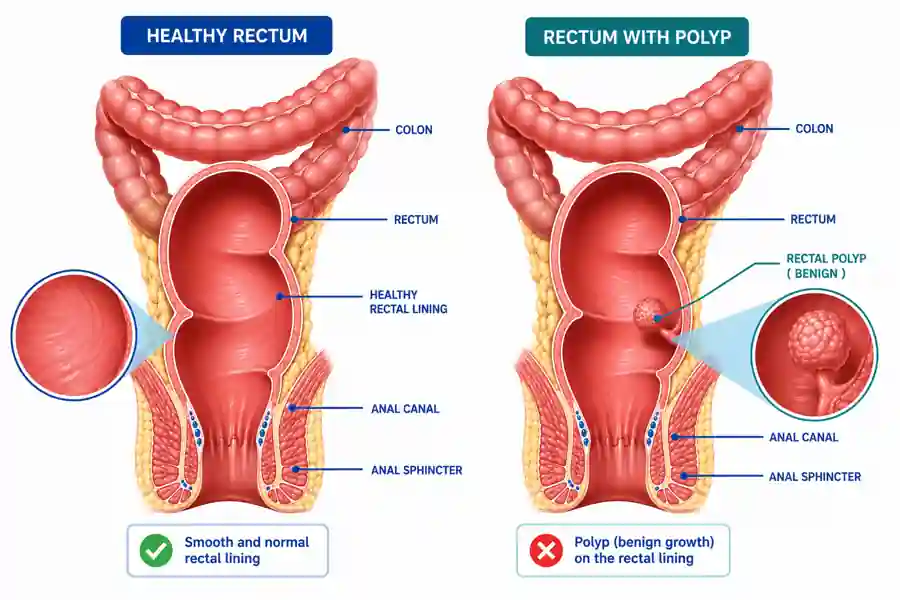
A rectal polyp is an abnormal growth arising from the inner lining of the rectum. Although many polyps are benign, certain types can gradually develop into colorectal cancer if left untreated. Detecting and removing these polyps at an early stage plays an important role in preventing future complications.
One of the challenges with rectal polyps is that they often remain silent. Some people experience occasional bleeding, mucus discharge, or subtle changes in bowel habits, while others feel completely well. As a result, many polyps are discovered only during a colonoscopy performed for another medical reason or as part of routine colorectal screening.
Fortunately, advances in modern colorectal surgery and endoscopic techniques have transformed the management of rectal polyps. Depending on the size, location, and characteristics of the polyp, treatment may involve minimally invasive removal through a colonoscope or specialized rectal surgery designed to preserve normal bowel function.
Seeking medical advice early is particularly important if rectal bleeding recurs or bowel habits change without an obvious explanation. An accurate diagnosis allows your colorectal surgeon to recommend the most appropriate treatment while reducing the risk of future complications.
This article explains what rectal polyps are, why they develop, the symptoms to watch for, how they are diagnosed, when surgery becomes necessary, and what patients can expect before and after treatment.
Understanding Rectal Polyps
Rectal polyps are small growths that develop from the inner lining of the rectum. They can vary considerably in size and shape. While most polyps are non-cancerous at the time they are discovered, some have the potential to become cancerous over time. This is why healthcare professionals generally recommend appropriate evaluation and, when indicated, removal.
Unlike hemorrhoids, which affect the veins around the anal canal, rectal polyps arise from the lining inside the rectum. Because they are located internally, they usually cannot be seen or felt without medical examination.
Common Symptoms
Many rectal polyps do not produce symptoms, especially when they are small. However, larger polyps or certain types may cause:
- Bright red bleeding during or after bowel movements
- Blood mixed with stool
- Mucus discharge from the rectum
- A persistent feeling of incomplete bowel emptying
- Changes in bowel habits, including constipation or diarrhea
- Mild lower rectal discomfort or pressure
- Unexplained iron-deficiency anemia in some patients
Any persistent rectal bleeding should be assessed by a qualified colorectal surgeon rather than being attributed to hemorrhoids without proper evaluation.
Who Is at Higher Risk?
Although rectal polyps can occur in adults of any age, they become more common as people grow older. Certain factors increase the likelihood of developing these growths, including:
- Age above 45 years
- A family history of colorectal polyps or colorectal cancer
- Previous colorectal polyps
- Inflammatory bowel disease
- Obesity
- Smoking
- Excessive alcohol consumption
- A diet low in fiber and high in processed foods
- Lack of regular physical activity
Understanding these risk factors can help identify individuals who may benefit from earlier screening.
Why Do Rectal Polyps Develop?
Rectal polyps form when cells in the lining of the rectum begin to grow in an abnormal and uncontrolled way. The exact cause is not always known, but genetic changes, chronic inflammation, aging, and lifestyle factors are believed to contribute.
Not all polyps behave in the same way. Some remain harmless for many years, while others—particularly adenomatous polyps—may gradually develop into colorectal cancer if they are not removed. This is why timely diagnosis is so important.
When Is Treatment Recommended?
Treatment is not based solely on the presence of a polyp. Your colorectal surgeon will consider several factors before recommending the most appropriate approach, including:
- The size of the polyp
- Its location within the rectum
- Colonoscopy findings
- Biopsy results, if available
- Whether the polyp is causing symptoms
- The possibility of precancerous or cancerous changes
Small polyps may often be removed during colonoscopy, while larger or more complex lesions may require advanced rectal surgery.
Who May Benefit from Modern Rectal Polyp Surgery?
Advanced rectal polyp surgery may be recommended for patients with:
- Large rectal polyps that cannot be safely removed endoscopically
- Broad-based or difficult-to-access polyps
- Recurrent polyps
- Polyps with suspicious biopsy findings
- Early-stage rectal tumors requiring complete surgical removal
The choice of treatment depends on a comprehensive clinical evaluation. Not every patient with a rectal polyp requires surgery, and the most appropriate approach should always be determined by a qualified colorectal surgeon.
Why Early Treatment Matters
Rectal polyps are often removed not only to relieve symptoms but also to reduce the risk of future complications. While many polyps are benign, some may gradually undergo abnormal cellular changes over time. Removing suspicious or symptomatic polyps at an early stage allows both diagnosis and treatment in a single planned procedure.
Modern colorectal surgery focuses on preserving healthy tissue while removing the abnormal growth as completely and safely as possible. The treatment strategy is always individualized based on the patient’s condition and the characteristics of the polyp.
Benefits of Modern Rectal Polyp Surgery
Compared with traditional surgical techniques, modern procedures offer several important advantages for appropriately selected patients.
These may include:
- Precise removal of abnormal tissue
- Better preservation of normal rectal function
- Smaller or no external incisions in many cases
- Reduced postoperative discomfort
- Lower risk of wound-related complications
- Earlier return to normal daily activities
- Shorter hospital stay for many patients
- Accurate pathological examination of the removed tissue
It is important to remember that these benefits depend on careful patient selection, surgical expertise, and the complexity of the individual case.
Modern Surgery vs. Conventional Open Surgery
| Modern Rectal Polyp Surgery | Conventional Surgery |
|---|---|
| Often minimally invasive | Usually requires a larger incision for appropriate cases |
| Better visualization using specialized instruments | Direct surgical exposure |
| Less trauma to surrounding tissues | Greater tissue disruption |
| Faster recovery for many patients | Recovery may take longer |
| Smaller wounds or no external incision in selected cases | Larger surgical wound when required |
| Earlier return to routine activities | Longer recovery period in many cases |
The most suitable surgical approach depends on the size, location, and suspected nature of the polyp. Your colorectal surgeon will recommend the safest option after thorough evaluation.
Endoscopic Removal vs. Surgical Removal
Not every rectal polyp requires surgery.
Endoscopic Polyp Removal
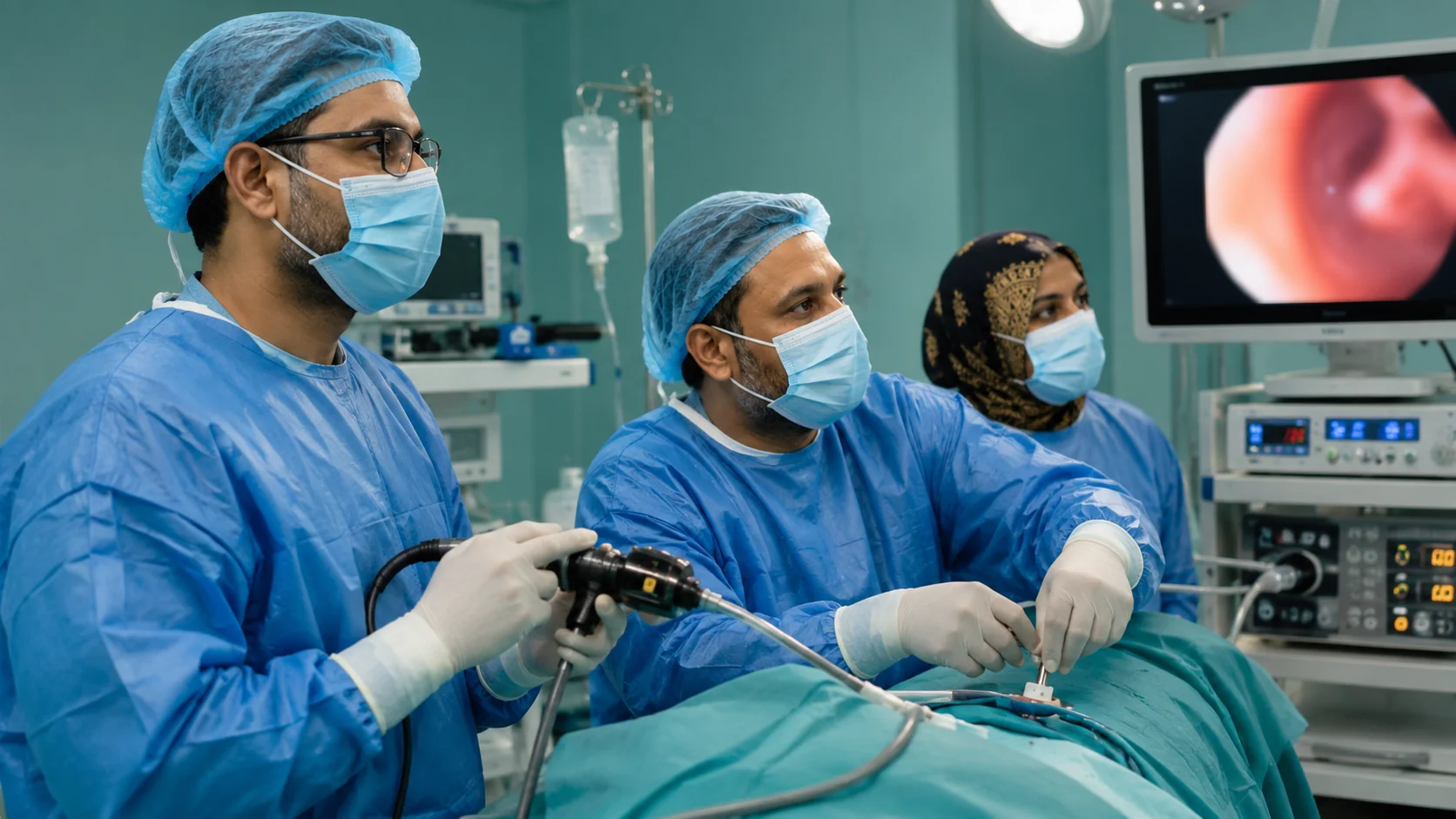
Small and medium-sized polyps can often be removed during colonoscopy using specialized instruments without making any external incision.
Advanced Rectal Surgery
Surgery may be recommended when:
- The polyp is too large for endoscopic removal.
- The polyp has a broad base.
- The lesion extends deeper into the rectal wall.
- Previous endoscopic removal was unsuccessful.
- Biopsy findings suggest early cancer or high-risk changes.
Choosing the appropriate technique helps maximize safety while preserving normal bowel function whenever possible.
How Does the Procedure Work?
Before surgery, your colorectal surgeon carefully reviews colonoscopy findings, biopsy reports, imaging studies, and your overall medical condition.
Depending on the characteristics of the polyp, treatment may involve:
- Transanal minimally invasive surgery
- Endoscopic surgical techniques
- Laparoscopic colorectal surgery
- Conventional surgery for selected complex cases
The primary goal is complete removal of the abnormal tissue while minimizing injury to surrounding healthy structures.
Step-by-Step: What Happens During Surgery?
Although every procedure is tailored to the individual patient, the general process usually includes:
1. Preoperative Assessment
Your medical history, medications, blood tests, and imaging studies are reviewed to ensure you are fit for surgery.
2. Anesthesia
Most advanced rectal polyp surgeries are performed under general or regional anesthesia to ensure comfort throughout the procedure.
3. Polyp Removal
Using specialized surgical or endoscopic instruments, the surgeon carefully removes the polyp while protecting nearby healthy tissue.
4. Tissue Examination
The removed specimen is sent to a pathology laboratory, where it is examined under a microscope to determine its exact nature.
5. Recovery Room
After surgery, patients are monitored until they recover safely from anesthesia before returning to the ward.
Preparing for Surgery
Proper preparation helps reduce complications and supports a smoother recovery.
Your healthcare team may recommend:
- Colon cleansing before surgery
- Temporary dietary adjustments
- Fasting for several hours before the procedure
- Medication review, especially blood thinners
- Routine blood tests and other investigations
- Medical clearance for patients with chronic illnesses such as diabetes or heart disease
Following your surgeon’s instructions carefully is essential for achieving the best possible outcome.
What to Expect on the Day of Surgery
On the day of your procedure, you will be admitted to the hospital and undergo final preoperative checks.
Before surgery:
- Your identity and procedure will be confirmed.
- The anesthesia team will discuss your anesthetic plan.
- An intravenous (IV) line will be placed.
- Your surgeon will answer any remaining questions.
After the procedure, you will spend some time in the recovery area while your vital signs are monitored. Depending on the complexity of the surgery and your overall health, you may be discharged the same day or require a short hospital stay.