
Why Early Treatment for Appendicitis Matters?
Appendicitis is one of the most common abdominal emergencies and requires prompt medical attention. The condition develops when the appendix becomes inflamed, often due to blockage or infection. Although symptoms may begin with mild abdominal pain, delaying treatment can allow the inflammation to worsen and increase the risk of appendix rupture, abdominal infection, and other serious complications.
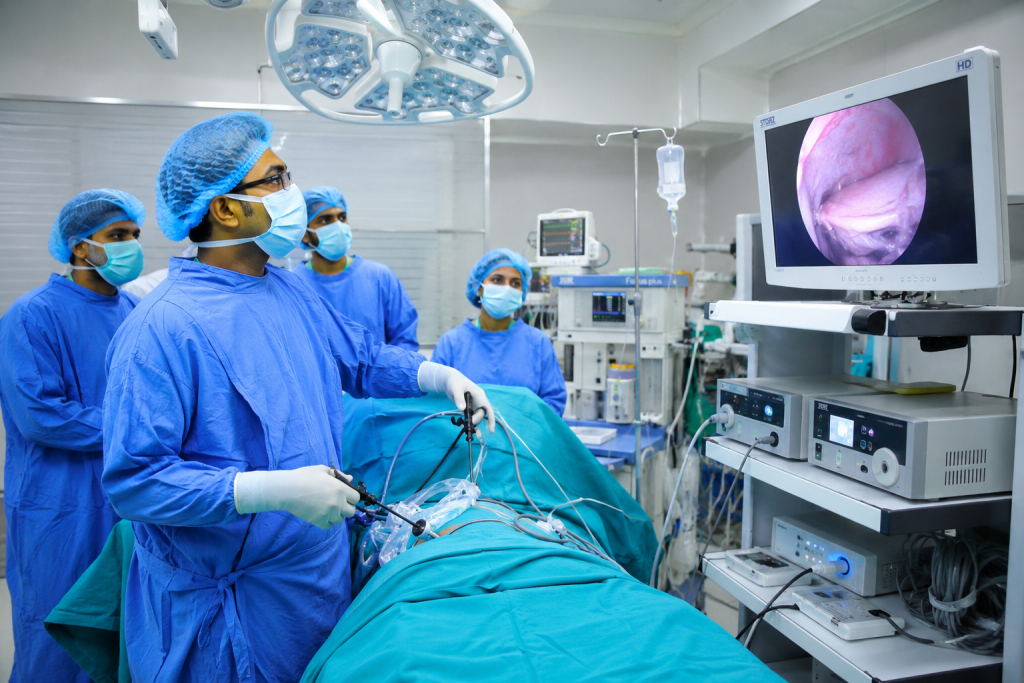
Today, laparoscopic appendectomy is considered the preferred surgical treatment for most patients. Using small incisions, a high-definition camera, and specialized surgical instruments, this minimally invasive technique allows surgeons to remove the inflamed appendix safely while reducing pain, minimizing scarring, and helping patients recover faster than with traditional open surgery.
In this article, you’ll learn what appendicitis is, when surgery is needed, how laparoscopic appendectomy is performed, its benefits, recovery timeline, and answers to the most common questions patients ask before surgery.
What Is Appendicitis?
The appendix is a small, finger-shaped pouch attached to the beginning of the large intestine. Although it has no essential function in daily life, inflammation of the appendix—known as appendicitis—is a medical emergency that usually requires surgery.
Appendicitis most commonly occurs due to:
✔ Blockage by hardened stool (fecalith)
✔ Infection
✔ Swollen lymph tissue
✔ Rarely, tumors or parasites
Common Symptoms
✔ Pain around the belly button that shifts to the lower right abdomen
✔ Increasing abdominal pain
✔ Nausea and vomiting
✔ Fever
✔ Loss of appetite
✔ Abdominal tenderness
Without timely treatment, the appendix may rupture and spread infection throughout the abdomen.

Why Is Laparoscopic Appendectomy Recommended?
Laparoscopic appendectomy is a minimally invasive surgical procedure used to remove an inflamed appendix through small incisions.
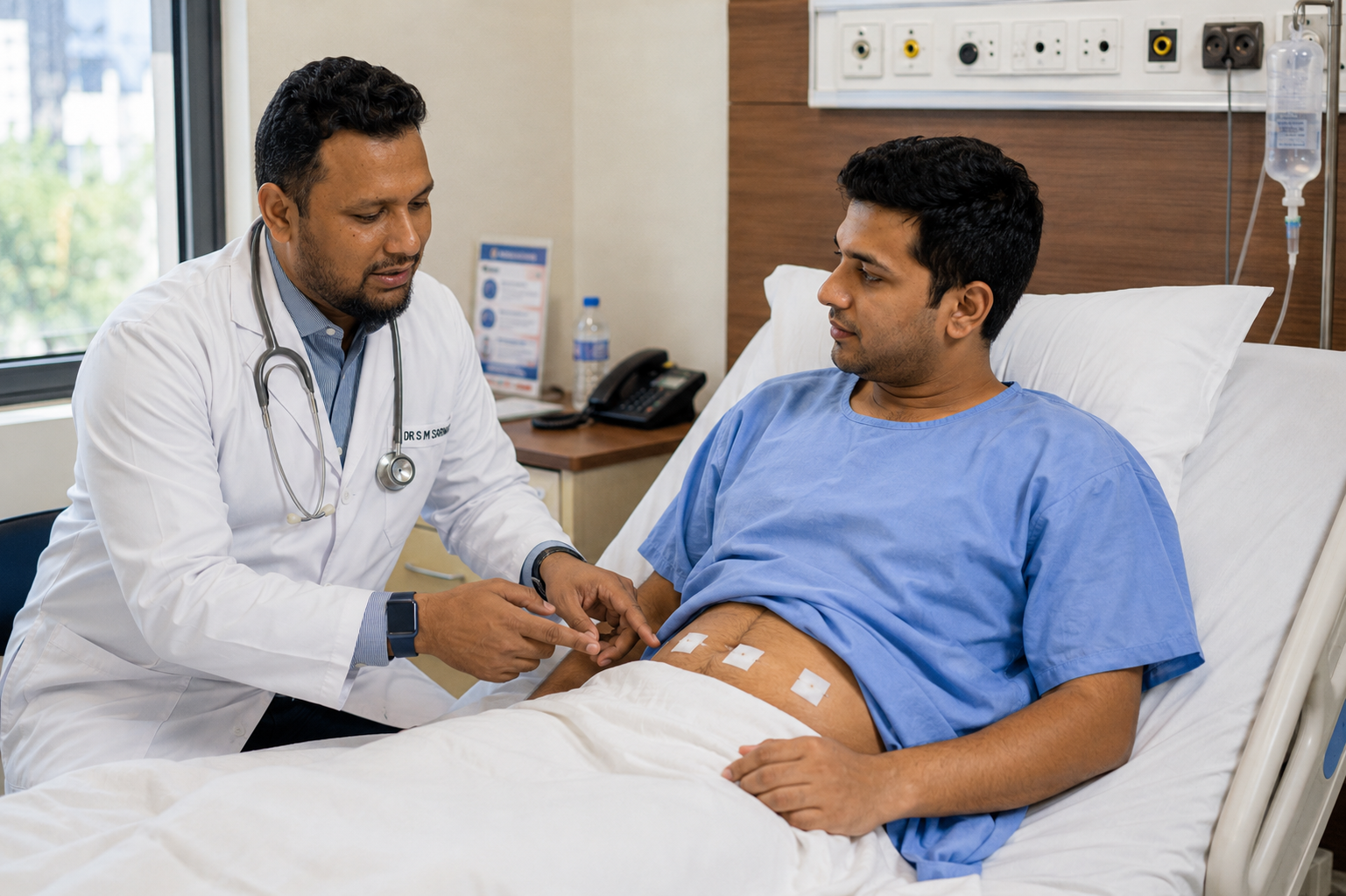
Instead of making one large cut, the surgeon inserts a tiny camera (laparoscope) and specialized instruments through three or four small openings. The camera provides a magnified view of the abdominal cavity, allowing precise removal of the appendix while protecting surrounding tissues.
Compared with traditional open surgery, laparoscopic appendectomy offers faster healing, less pain, and a quicker return to normal life.

What Are the Benefits of Laparoscopic Appendectomy?
Patients often choose laparoscopic surgery because it offers several important advantages.
✔ Smaller incisions with minimal scarring
✔ Less postoperative pain
✔ Reduced blood loss
✔ Lower risk of wound infection
✔ Faster recovery
✔ Shorter hospital stay
✔ Earlier return to work and daily activities
✔ Better cosmetic results
Who Is a Good Candidate for Laparoscopic Appendectomy?
Laparoscopic appendectomy is commonly recommended for patients with:
✔ Acute appendicitis
✔ Recurrent appendicitis
✔ Inflamed appendix confirmed by imaging
✔ Early perforated appendix (selected cases)
✔ Appendix abscess after surgical evaluation
Your surgeon will determine whether laparoscopic surgery is the most appropriate option based on your overall condition.
What Tests Are Needed Before Surgery?
Before surgery, your doctor may recommend several tests to confirm the diagnosis and assess your overall health.
These may include:
✔ Physical examination
✔ Complete Blood Count (CBC)
✔ Urine examination
✔ Abdominal ultrasound
✔ CT scan (if necessary)
✔ ECG or other pre-anesthetic tests (when indicated)
These evaluations help ensure safe surgery and reduce the risk of complications.
How Is Laparoscopic Appendectomy Performed?
The procedure is usually completed in about 30–60 minutes.
Step 1
General anesthesia is administered.
Step 2
Three or four small incisions are made in the abdomen.
Step 3
A laparoscope is inserted to provide a clear view of the abdominal cavity.
Step 4
Specialized instruments are used to carefully remove the inflamed appendix.
Step 5
The appendix is removed through one of the small incisions.
Step 6
The incisions are closed with sutures or surgical glue.
Is Laparoscopic Appendectomy Painful?
No. Since the operation is performed under general anesthesia, patients do not feel pain during surgery.
After the procedure, mild discomfort or soreness around the incision sites is common. This is usually well controlled with prescribed pain medication and improves within a few days.
How Long Does Recovery Take?
Most patients recover quickly after laparoscopic appendectomy.
Typical recovery includes:
✔ Walking within a few hours
✔ Hospital discharge within 24–48 hours
✔ Light daily activities within 3–5 days
✔ Return to office work within 1–2 weeks
✔ Full recovery in approximately 2–4 weeks
Recovery time may vary depending on the severity of appendicitis and individual health.
Post-Surgery Care Instructions
To support a smooth recovery:
✔ Take medications exactly as prescribed.
✔ Keep the incision sites clean and dry.
✔ Walk regularly to improve circulation.
✔ Drink plenty of fluids.
✔ Eat a balanced, nutritious diet.
✔ Avoid heavy lifting until your surgeon advises.
✔ Attend all scheduled follow-up appointments.
When Should You Contact Your Surgeon?
Seek immediate medical attention if you notice:
🚨 Severe or worsening abdominal pain
🚨 Persistent fever
🚨 Continuous vomiting
🚨 Redness or pus around the incision
🚨 Excessive bleeding
🚨 Difficulty eating or drinking
Frequently Asked Questions
How long does laparoscopic appendectomy take?
Most procedures take 30–60 minutes.
Is laparoscopic appendectomy safe?
Yes. It is a well-established, safe, and widely performed procedure when carried out by an experienced laparoscopic surgeon.
How long will I stay in the hospital?
Most patients are discharged within 24–48 hours.
When can I return to normal activities?
Light activities usually begin within a few days, while most patients return to normal routines within 1–2 weeks.
Can appendicitis come back after surgery?
No. Once the appendix has been removed, appendicitis cannot recur.
Consult an Experienced Laparoscopic Surgeon
If you are experiencing symptoms of appendicitis, early diagnosis and timely treatment can help prevent serious complications and promote a faster recovery.
📞 Book Your Appointment Today
Medical Disclaimer
This article is intended for educational and informational purposes only and should not be considered a substitute for professional medical advice, diagnosis, or treatment. Every patient is unique, and treatment recommendations vary depending on individual medical history, examination findings, and diagnostic results. Always consult a qualified healthcare professional for personalized medical advice. If you experience severe pain, fever, difficulty passing urine, heavy bleeding, or any medical emergency, seek immediate medical attention.


