
Advanced Laser Technology for Safer, More Comfortable Fistula Treatment
An anal fistula can be a painful and frustrating condition that often affects far more than physical comfort. Persistent pain, swelling, recurrent abscesses, and continuous discharge can interfere with work, daily activities, and overall quality of life. Although antibiotics or drainage procedures may temporarily relieve symptoms, they usually do not eliminate the fistula itself. In most cases, definitive treatment is needed to prevent repeated infections and ongoing discomfort.
Laser Fistula Treatment using Lasotronix® laser technology is an advanced minimally invasive procedure designed to treat selected anal fistulas while preserving the surrounding sphincter muscles. Rather than creating a large surgical wound, a specially designed radial laser fiber is introduced through the fistula tract, where controlled laser energy gently seals the abnormal channel from the inside. This approach aims to promote healing with minimal tissue damage while maintaining normal muscle function.
For appropriately selected patients, laser treatment may offer several important advantages, including less postoperative pain, minimal scarring, a shorter recovery period, and an earlier return to everyday life. However, not every fistula can be treated with laser technology. The most appropriate treatment depends on the location of the fistula, its complexity, any previous surgery, and the patient’s overall condition.
In this comprehensive guide, you’ll learn how Laser Fistula Treatment works, who may benefit from it, what to expect before and after the procedure, and how modern laser technology is changing the way anal fistulas are treated.
Understanding Anal Fistula: Why Does It Develop?
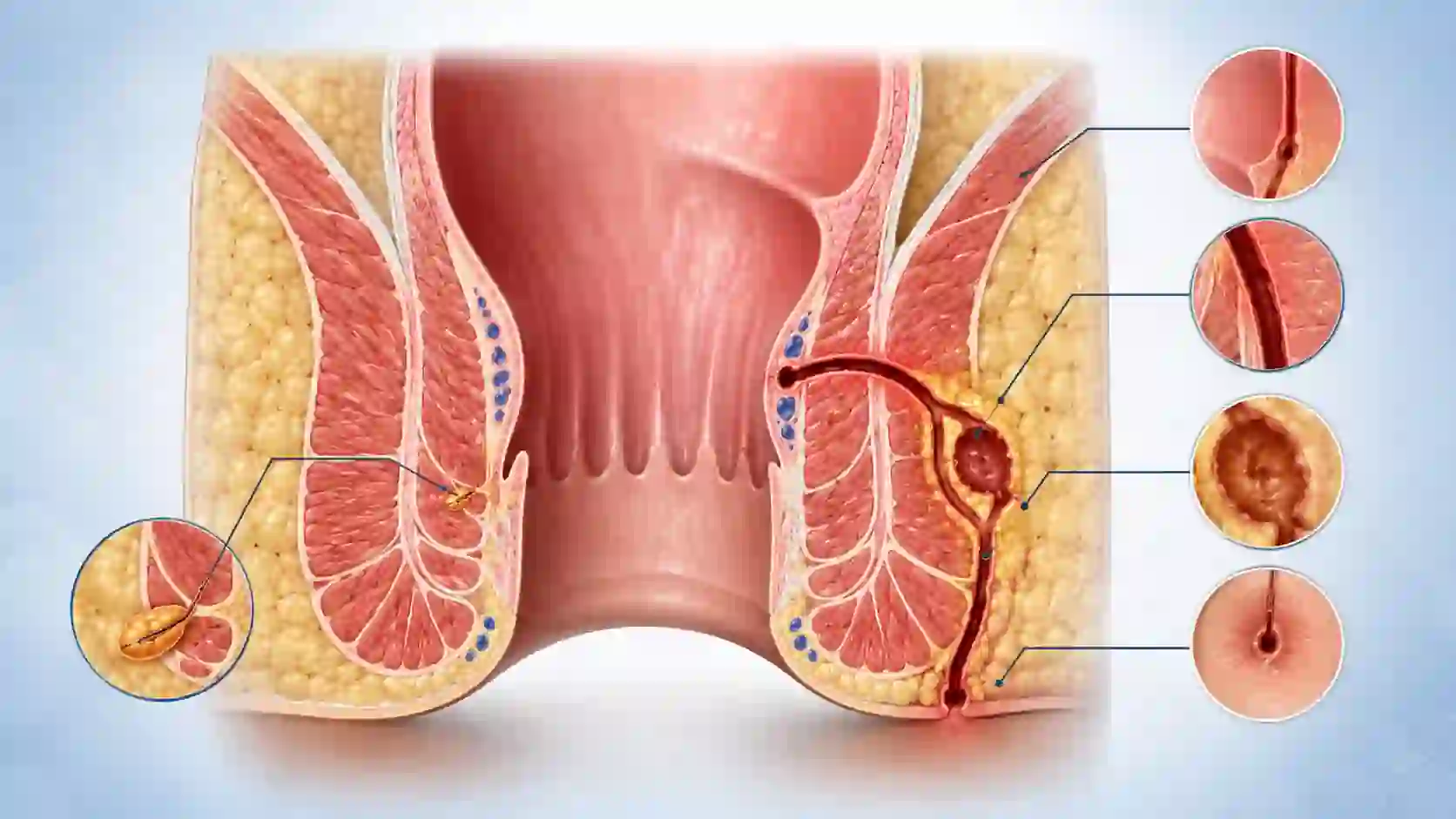
An anal fistula is a small abnormal tunnel that forms between the inside of the anal canal and the skin around the anus. It most commonly develops after an anal abscess, when an infection fails to heal completely and leaves behind a persistent tract beneath the skin.
Although some fistulas remain relatively simple, others become more complex by branching into multiple tracts or passing through important sphincter muscles. Without appropriate treatment, the condition often continues to cause recurrent infections and repeated drainage.
Common symptoms include:
- Persistent pain around the anus
- Recurrent swelling or abscess formation
- Pus or fluid discharge
- Skin irritation around the opening
- Pain while sitting or walking
- Discomfort during bowel movements
- Repeated infections despite antibiotics
Because an anal fistula rarely heals on its own, early diagnosis and appropriate treatment are important to prevent complications and preserve normal anal function.
How Does Laser Fistula Treatment Work?
Unlike conventional fistula surgery, which may require cutting through tissue to remove or open the fistula tract, laser treatment is designed to close the tract from within while preserving as much healthy tissue as possible.
During the procedure, a thin radial laser fiber is carefully introduced through the fistula tract. Controlled laser energy is then delivered as the fiber is slowly withdrawn. The heat generated by the laser causes the lining of the tract to collapse and seal, allowing the surrounding tissue to heal naturally over time.
Because the treatment focuses on the fistula tract itself rather than creating a large external wound, many patients experience less postoperative discomfort and a quicker recovery compared with traditional surgery.
Who May Benefit from Laser Fistula Treatment?
Laser treatment may be considered for carefully selected patients, particularly when preserving sphincter muscle function is an important priority.
Your colorectal surgeon may recommend laser treatment if you have:
- A simple or selected complex anal fistula
- Recurrent fistula after previous treatment
- Persistent discharge or infection
- A fistula that involves the sphincter muscles
- Symptoms affecting your quality of life
- A suitable fistula anatomy confirmed by clinical examination
Not every fistula is appropriate for laser treatment. Some complex fistulas may require other surgical techniques to achieve the best outcome.
When Should You Seek Specialist Treatment?
Many patients ignore recurrent swelling or drainage for months because symptoms often improve temporarily after antibiotics or spontaneous drainage. Unfortunately, the fistula usually remains beneath the skin and continues to cause repeated infections.
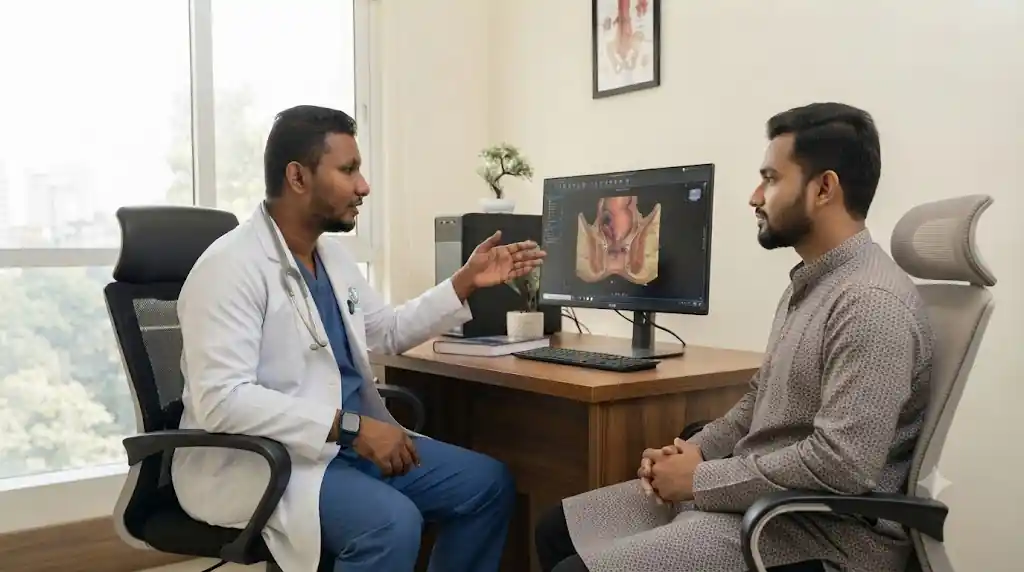
If you experience persistent discharge, recurrent abscesses, or ongoing pain around the anus, consulting an experienced colorectal surgeon early can help identify the underlying problem and determine the most appropriate treatment before complications develop.
Why Many Patients Choose Laser Fistula Treatment
Modern laser technology has changed the way many anal fistulas are treated. Instead of creating a large surgical wound, laser treatment focuses on sealing the fistula tract from within while preserving as much healthy tissue as possible. This minimally invasive approach may help reduce discomfort and support a smoother recovery in appropriately selected patients.
Potential advantages include:
- Minimally invasive treatment
- No large surgical incision
- Reduced damage to surrounding tissue
- Preservation of anal sphincter muscles
- Less postoperative discomfort
- Minimal scarring
- Shorter hospital stay
- Earlier return to normal daily activities
The success of laser treatment depends on selecting the right patients and performing the procedure with proper surgical expertise.
Laser Fistula Treatment vs Conventional Fistula Surgery
Although both procedures aim to eliminate the fistula and prevent recurrent infection, they differ in their surgical approach.
Laser treatment closes the fistula tract using controlled laser energy, while conventional surgery usually involves opening or removing the tract through surgical dissection.
| Laser Fistula Treatment | Conventional Fistula Surgery |
|---|---|
| Minimally invasive | Open surgical procedure |
| Small access point | Larger surgical wound |
| Preserves more healthy tissue | May involve tissue division |
| Less postoperative discomfort | Usually more postoperative pain |
| Faster recovery in selected patients | Longer healing time |
| Suitable for selected fistulas | Suitable for a wider range of fistulas |
The most appropriate option depends on the fistula’s complexity, location, and relationship to the anal sphincter muscles.
How Is Laser Fistula Treatment Performed?
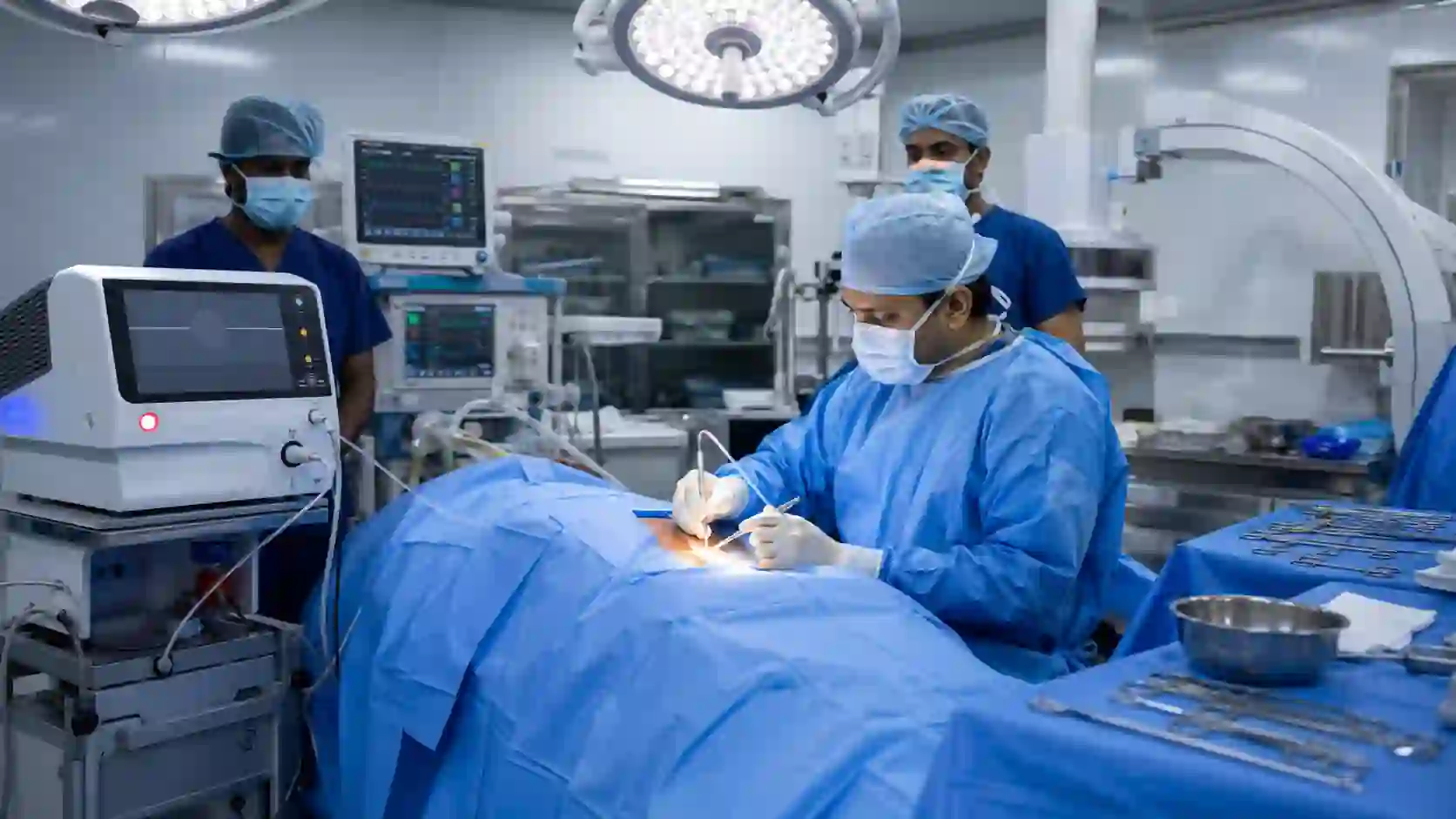
Laser fistula treatment is performed using specialized laser equipment designed to close the fistula tract with precision while minimizing injury to surrounding tissues.
The procedure generally involves the following steps:
Step 1 – Anaesthesia
The procedure is usually performed under general or spinal anaesthesia to ensure patient comfort.
Step 2 – Examination of the Fistula
The surgeon carefully identifies both the internal and external openings of the fistula and evaluates the entire tract.
Step 3 – Cleaning the Fistula Tract
Any infected tissue or debris inside the fistula tract is gently removed to prepare it for laser treatment.
Step 4 – Laser Closure
A thin radial laser fiber is inserted into the fistula tract. Controlled laser energy is delivered gradually as the fiber is withdrawn, causing the tract to collapse and seal from the inside.
Step 5 – Final Assessment
The treated area is examined to ensure the procedure has been completed successfully before the patient is transferred to the recovery room.
The procedure usually takes 20 to 45 minutes, depending on the complexity of the fistula.
Preparing for Laser Fistula Treatment
Good preparation helps improve surgical safety and recovery.
Before the procedure, your surgeon may recommend:
- A detailed clinical examination
- MRI or endoanal ultrasound for complex fistulas (if required)
- Routine blood tests
- Temporary adjustment of blood-thinning medications (only under medical advice)
- Fasting before surgery according to hospital instructions
- Arranging someone to accompany you home after discharge
Be sure to inform your surgeon about any medications, allergies, diabetes, heart disease, or previous anorectal surgery.
What Happens on the Day of Treatment?
On the day of your procedure, you will first undergo a final assessment by the surgical and anaesthesia teams. After the necessary preparations, the laser treatment is performed in a fully equipped operating theatre under sterile conditions.
Following the procedure, you will be observed in the recovery area until the effects of anaesthesia have worn off. Most patients can walk within a few hours and are discharged on the same day, provided they are medically stable.
Before leaving the hospital, you will receive detailed instructions about wound care, medications, diet, physical activity, and follow-up appointments to support a smooth recovery.

Recovery After Laser Fistula Treatment
Recovery after Laser Fistula Treatment is generally quicker than many conventional fistula procedures because the treatment minimizes damage to surrounding healthy tissues. While every patient’s recovery is different, most people are able to return to light daily activities within a relatively short period when postoperative instructions are followed carefully.
Mild discomfort, slight swelling, or minimal drainage during the first few days is normal and usually improves as healing progresses. Regular follow-up with your colorectal surgeon is important to ensure the fistula is healing properly.
Recovery Timeline
| Recovery Stage | What You Can Expect |
|---|---|
| First 24 Hours | Mild discomfort, light drainage, and temporary swelling may occur. |
| First Week | Walking is encouraged, and many patients resume light daily activities. |
| 2–4 Weeks | Internal healing continues, and symptoms gradually improve. |
| 4–8 Weeks | Most patients experience significant recovery, although complete healing varies depending on the fistula. |
Post-Treatment Care for Better Healing
Successful recovery depends on both the procedure and proper aftercare.
Your surgeon may advise you to:
- Keep the treated area clean and dry.
- Take prescribed medications as instructed.
- Drink plenty of water throughout the day.
- Eat a fibre-rich diet to prevent constipation.
- Avoid prolonged sitting during the first few days.
- Avoid heavy lifting or strenuous exercise until advised.
- Perform warm sitz baths if recommended.
- Attend all scheduled follow-up appointments.
Following these recommendations helps support healing and reduces the risk of complications.

Healthy Eating During Recovery
Nutrition plays an important role in recovery after fistula treatment. Passing soft stools with minimal straining helps protect the healing tissues and reduces discomfort during bowel movements.
A balanced diet should include:
- Fresh fruits
- Green leafy vegetables
- Whole grains
- Oats
- Lentils and beans
- Nuts and seeds
- Plenty of water
It is also helpful to limit spicy foods, highly processed meals, and foods that may contribute to constipation during the early recovery period, unless your healthcare provider advises otherwise.
Possible Risks and Complications
Laser Fistula Treatment is considered a minimally invasive procedure, but like any medical intervention, it carries some potential risks.
Possible complications may include:
- Temporary pain or discomfort
- Mild bleeding or drainage
- Infection
- Delayed healing
- Recurrence of the fistula
- Need for additional treatment in complex cases
Your surgeon will explain these risks in detail and discuss the most appropriate treatment plan based on your individual condition.
Can an Anal Fistula Return After Laser Treatment?
Laser treatment offers an effective solution for many carefully selected patients, but no procedure can guarantee that a fistula will never recur.
The likelihood of recurrence depends on several factors, including:
- The complexity of the fistula
- Whether all fistula tracts have been identified and treated
- Previous fistula surgery
- Underlying conditions such as Crohn’s disease
- Following postoperative care instructions
Regular follow-up appointments allow your surgeon to monitor healing and identify any concerns at an early stage.
Frequently Asked Questions
Is Laser Fistula Treatment painful?
Most patients experience less postoperative discomfort compared with conventional fistula surgery because there is less tissue damage.
How long does the procedure take?
The procedure usually takes 20 to 45 minutes, depending on the complexity of the fistula.
Will I need to stay overnight in the hospital?
In many cases, patients can return home on the same day after adequate recovery from anaesthesia.
When can I return to work?
Many people return to office-based work within a few days to one week, depending on the nature of their job and their surgeon’s advice.
Can laser treatment preserve the anal sphincter muscles?
One of the main advantages of laser treatment is its ability to preserve surrounding sphincter muscles in appropriately selected cases.
Is laser treatment suitable for every anal fistula?
No. Some complex or branching fistulas may require alternative surgical procedures. A thorough assessment is essential before deciding on treatment.
When Should You Consult a Colorectal Surgeon?
Persistent pain, recurrent abscesses, ongoing discharge, or repeated infections around the anus should never be ignored. Early diagnosis can help prevent complications and improve the chances of successful treatment.
If you notice these symptoms, consult an experienced colorectal surgeon for a comprehensive evaluation and personalized treatment plan.
Final Thoughts
Laser Fistula Treatment using Lasotronix® laser technology represents an important advancement in the management of selected anal fistulas. By treating the fistula tract from within while preserving healthy tissue, this minimally invasive technique may offer less postoperative discomfort, quicker recovery, and a faster return to everyday life.
However, every fistula is unique. The most appropriate treatment should always be based on a detailed clinical examination and, when necessary, imaging studies. Discussing your condition with an experienced colorectal surgeon is the best way to determine whether laser treatment is the right option for you.
Medical Disclaimer
This article is intended for educational purposes only and should not be considered a substitute for professional medical advice, diagnosis, or treatment. Every patient is different, and treatment decisions should always be made after consultation with a qualified colorectal surgeon who can recommend the most appropriate management based on your individual condition.


