
A Modern Surgical Option for Lasting Relief from Advanced Piles
Living with advanced piles can be physically uncomfortable and emotionally frustrating. Persistent bleeding, prolapsing hemorrhoids, irritation, mucus discharge, and discomfort during bowel movements can gradually interfere with everyday activities and reduce overall quality of life. While many patients find relief through dietary changes, medications, or office-based treatments during the early stages, these options may become less effective as the condition progresses.
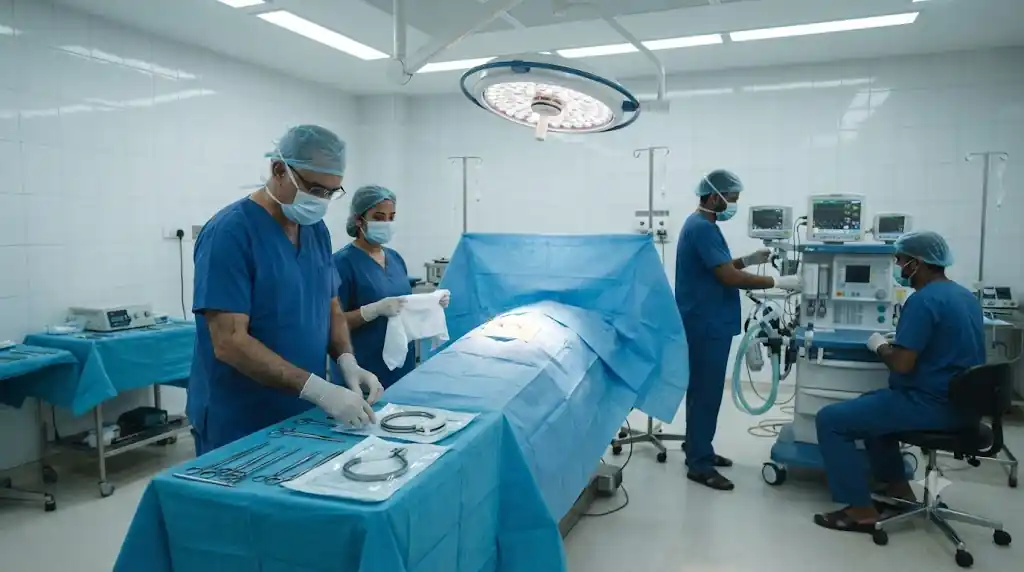
Longo (Stapler) Piles Surgery, also known as Stapled Hemorrhoidopexy (PPH), is a modern surgical procedure developed specifically for patients with prolapsing internal hemorrhoids. Instead of removing the hemorrhoids through large external incisions, this technique gently restores the prolapsed tissue to its normal position while reducing the blood supply that causes it to enlarge. As healing takes place, the hemorrhoids gradually shrink, helping relieve symptoms with less tissue trauma than many conventional surgical methods.
Because the procedure is performed above the pain-sensitive area of the anal canal, many patients experience less postoperative pain, minimal external wounds, a shorter hospital stay, and a faster return to normal daily activities. However, like any surgical treatment, Longo Surgery is not suitable for every patient. The most appropriate treatment depends on the type and severity of hemorrhoids, associated anorectal conditions, and an individual’s overall health.
Whether you have recently been diagnosed with advanced internal hemorrhoids or are exploring modern treatment options after unsuccessful conservative management, understanding how this procedure works can help you make a more informed decision together with your colorectal surgeon.
Understanding When Piles Become More Than a Minor Problem
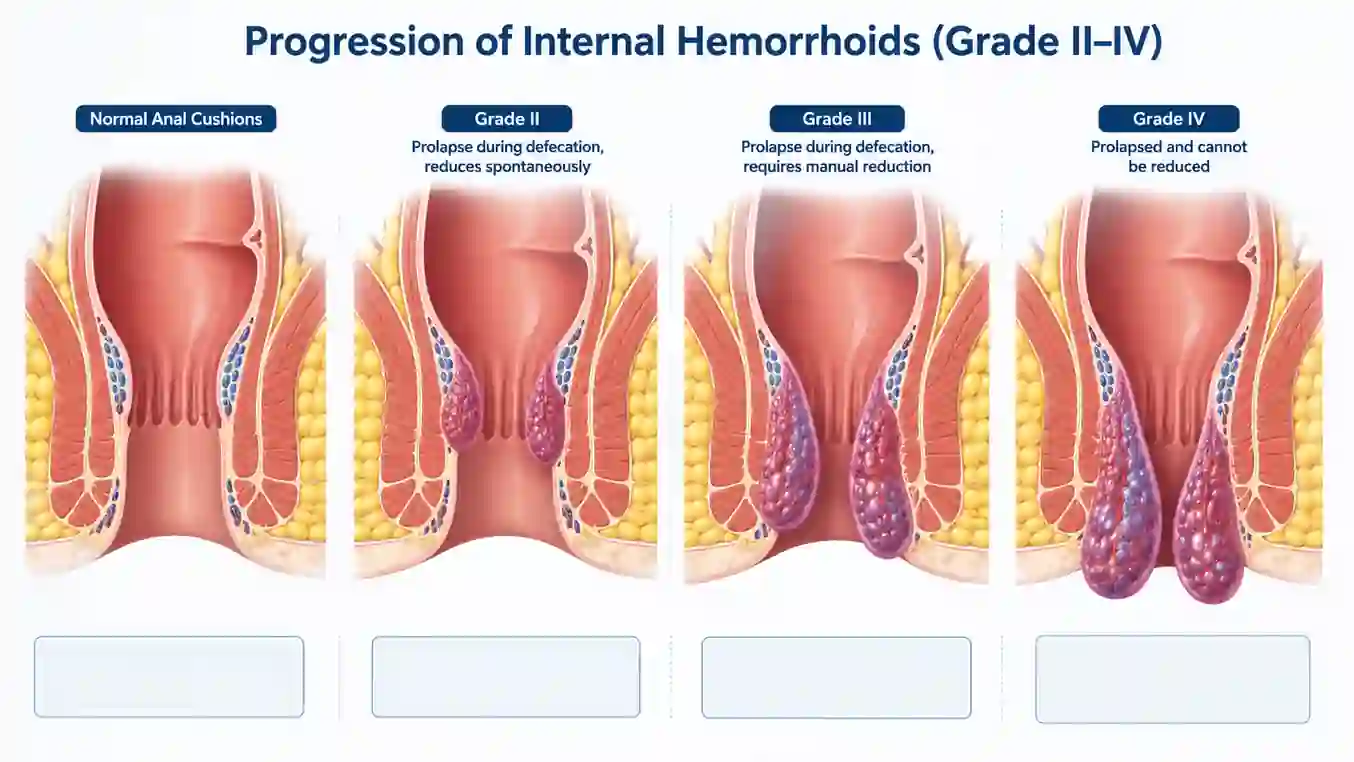
Hemorrhoids, commonly known as piles, are swollen vascular cushions located inside the anal canal or around the anus. These cushions are a normal part of the body and contribute to bowel control. Problems develop when increased pressure causes them to enlarge, stretch, or prolapse outside their normal position.
During the early stages, symptoms are often mild and may improve with a high-fibre diet, adequate hydration, medications, and healthy lifestyle changes. As the disease progresses, however, the supporting tissues weaken, allowing the hemorrhoids to protrude during bowel movements. This condition, known as hemorrhoidal prolapse, can become increasingly difficult to manage without surgical treatment.
Common symptoms of advanced internal hemorrhoids include:
- Bright red bleeding during bowel movements
- Hemorrhoids that prolapse outside the anus
- A lump that may require manual repositioning
- Persistent irritation or discomfort
- Mucus discharge
- Difficulty maintaining personal hygiene
- A sensation of incomplete bowel emptying
If these symptoms continue despite appropriate treatment or begin to affect your daily routine, a surgical solution may provide more reliable and long-lasting relief.
Why Longo (Stapler) Surgery Is Different
Unlike conventional hemorrhoidectomy, which removes the hemorrhoids through external incisions, Longo (Stapler) Surgery addresses the underlying cause of the problem—prolapse.
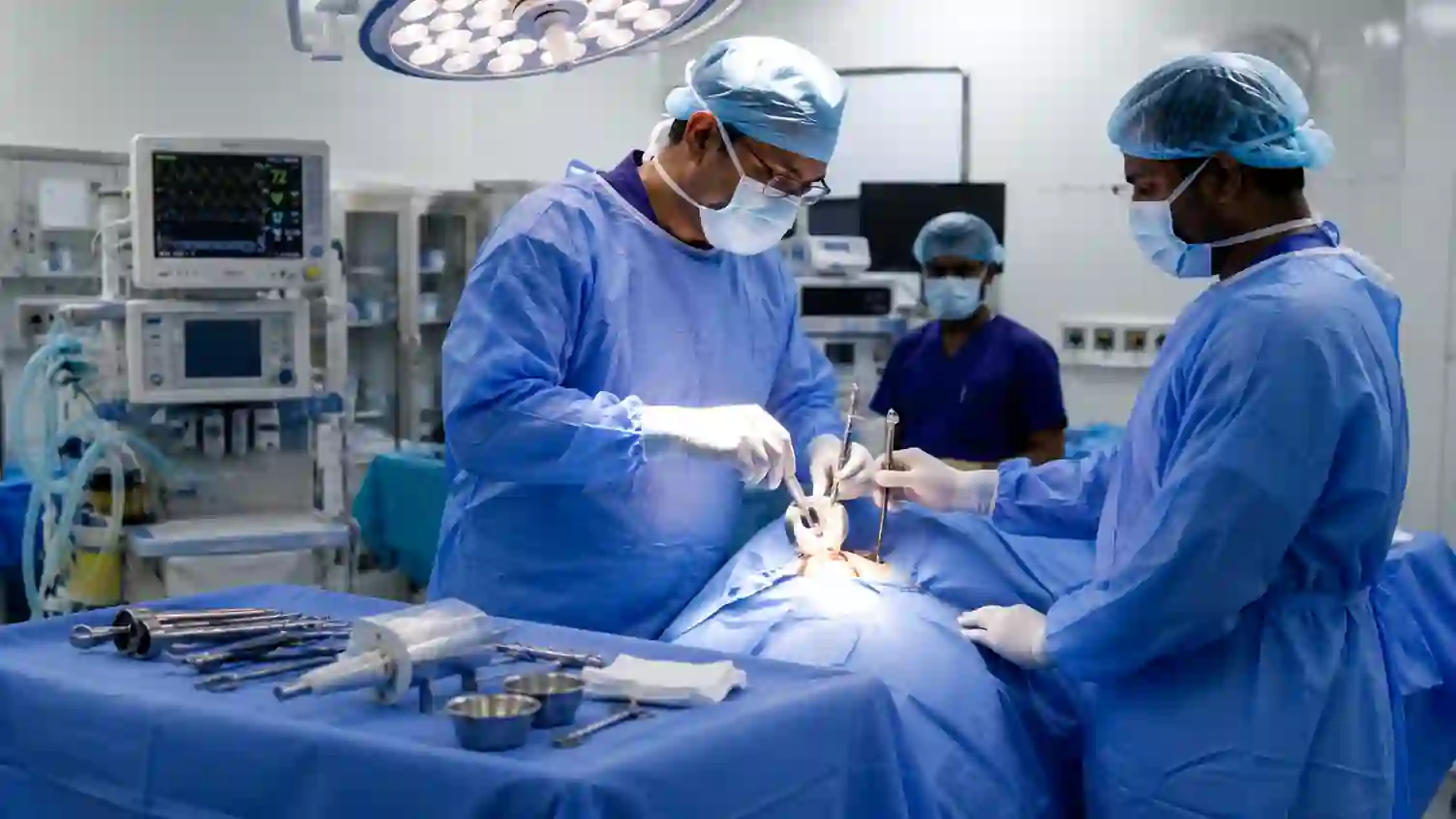
During the procedure, a specially designed circular stapling device removes a small ring of tissue from the rectum above the hemorrhoids. At the same time, it gently lifts the prolapsed hemorrhoidal tissue back into its natural position and reduces the blood supply that keeps it enlarged. Over time, the hemorrhoids shrink naturally while the surrounding tissues heal in their proper anatomical position.
Because the operation is performed above the area with the highest concentration of pain-sensitive nerves, patients generally experience less postoperative discomfort and a quicker recovery than with traditional hemorrhoid surgery. This combination of anatomical correction and reduced tissue trauma makes Longo Surgery an effective option for appropriately selected patients.
Who May Be a Good Candidate for Longo (Stapler) Surgery?
Longo (Stapler) Surgery is primarily recommended for patients with Grade III and selected Grade IV internal hemorrhoids, particularly when prolapse is the main concern.
Your colorectal surgeon may consider this procedure if you have:
- Grade III internal hemorrhoids
- Selected Grade IV internal hemorrhoids
- Persistent rectal bleeding
- Prolapsing hemorrhoids during bowel movements
- Recurrent symptoms despite medications
- Failure of office-based procedures
- Symptoms affecting your quality of life
Not every patient with piles is a suitable candidate for this technique. A comprehensive clinical assessment is essential to determine whether Longo Surgery, laser treatment, or another surgical approach is the most appropriate option.
When Is Surgery Usually Recommended?
Many patients postpone surgery in the hope that their symptoms will improve over time. While this may be possible in mild cases, persistent prolapse, recurrent bleeding, and ongoing discomfort often indicate that conservative treatment is no longer providing adequate control.
Seeking specialist advice early allows the condition to be properly assessed and helps identify the most effective treatment before symptoms become more severe or complications develop.
Benefits of Longo (Stapler) Piles Surgery
One of the main reasons many patients choose Longo (Stapler) Surgery is its ability to treat prolapsing internal hemorrhoids while minimizing postoperative discomfort. Because the procedure restores the hemorrhoids to their normal position rather than creating large external wounds, recovery is often smoother than with conventional hemorrhoid surgery.
Some of the key benefits include:
- Less postoperative pain
- No large external surgical wound
- Reduced bleeding after surgery
- Shorter hospital stay
- Faster return to normal activities
- Preservation of normal anal anatomy
- Effective treatment for prolapsing internal hemorrhoids
While these advantages make the procedure attractive for many patients, the results largely depend on proper patient selection and the experience of the operating surgeon.
Longo (Stapler) Surgery vs Conventional Hemorrhoid Surgery
Both procedures are effective treatments for hemorrhoids, but they work in different ways.
Longo (Stapler) Surgery focuses on repositioning the prolapsed hemorrhoidal tissue and reducing its blood supply, whereas conventional hemorrhoidectomy removes the hemorrhoids completely through surgical excision.
| Longo (Stapler) Surgery | Conventional Hemorrhoid Surgery |
|---|---|
| Repositions prolapsed tissue | Removes hemorrhoids completely |
| Less postoperative pain | Usually more postoperative discomfort |
| No large external wound | External surgical wound present |
| Faster recovery in suitable patients | Longer recovery period |
| Best for Grade III & selected Grade IV internal hemorrhoids | Suitable for a wider range of hemorrhoid conditions |
The most appropriate procedure depends on the type of hemorrhoids, associated symptoms, and your surgeon’s clinical assessment.
Longo (Stapler) Surgery vs Laser Piles Surgery
Patients often ask whether stapler surgery or laser treatment is the better option. The answer depends on the individual case rather than one procedure being universally superior.
Laser surgery uses focused laser energy to shrink hemorrhoidal tissue with minimal damage to surrounding structures. Longo (Stapler) Surgery, on the other hand, corrects the prolapse by lifting the hemorrhoids back into their normal position while reducing their blood supply.
In general:
- Laser Surgery may be preferred for selected internal hemorrhoids and patients seeking minimally invasive treatment.
- Longo (Stapler) Surgery is often recommended when prolapse is the dominant problem, particularly in Grade III and selected Grade IV internal hemorrhoids.
Your colorectal surgeon will recommend the most appropriate technique based on your symptoms, examination findings, and overall health.
How Is Longo (Stapler) Surgery Performed?
Although individual techniques may vary slightly, the procedure generally follows these steps:
Step 1 – Anaesthesia
The surgery is performed under general or spinal anaesthesia to ensure comfort throughout the procedure.
Step 2 – Positioning
The patient is placed in the appropriate surgical position, and the operative area is prepared under strict sterile conditions.
Step 3 – Placement of the Stapling Device
A specially designed circular stapling instrument is gently introduced into the anal canal.
Step 4 – Tissue Repositioning
A small ring of tissue is removed from the rectum above the hemorrhoids. This simultaneously lifts the prolapsed hemorrhoidal tissue back into its normal position while reducing the blood supply.
Step 5 – Completion of the Procedure
The stapling device is removed, the surgical site is carefully checked, and the patient is transferred to the recovery area for observation.
The operation typically takes 20 to 40 minutes, although the exact duration may vary depending on the individual case.
Preparing for Longo (Stapler) Surgery
Proper preparation helps improve surgical safety and supports a smoother recovery.
Before surgery, your healthcare team may recommend:
- A detailed clinical examination
- Routine blood investigations
- Additional tests if required
- Temporary adjustment of blood-thinning medications (only under medical advice)
- Fasting before surgery according to hospital instructions
- Arranging someone to accompany you home after discharge
Always inform your surgeon about any medications, allergies, or existing medical conditions before the procedure.
What Happens on the Day of Surgery?
On the day of surgery, you will first be admitted to the hospital and undergo a final preoperative assessment. After meeting your surgeon and anaesthesia team, the procedure will be performed in the operating theatre.
Following surgery, you will be monitored in the recovery area until the effects of anaesthesia wear off. Most patients are able to drink fluids, walk with assistance, and return home on the same day, provided there are no complications and they feel comfortable.
Before discharge, your healthcare team will provide detailed instructions regarding medications, diet, hygiene, activity, and follow-up appointments to help ensure a safe recovery.

Recovery After Longo (Stapler) Surgery
Recovery after Longo (Stapler) Piles Surgery is generally faster and more comfortable than after conventional hemorrhoid surgery. Since the procedure avoids large external wounds, many patients experience less pain and are able to resume their daily activities sooner.
Although recovery varies from person to person, following your surgeon’s advice carefully can help reduce discomfort and support proper healing.
What to Expect During Recovery
| Time After Surgery | What You May Experience |
|---|---|
| First 24 Hours | Mild discomfort, light bleeding, and temporary swelling may occur. |
| First Week | Most patients can walk comfortably and gradually return to light daily activities. |
| 2–4 Weeks | Healing continues, and symptoms usually improve significantly. |
| 4–6 Weeks | Most patients have recovered well and can resume their normal lifestyle, depending on their surgeon’s advice. |
Tips for a Smooth Recovery
A successful recovery depends not only on the surgery but also on proper postoperative care.
To support healing:
- Drink plenty of water every day.
- Eat a high-fibre diet to prevent constipation.
- Avoid excessive straining during bowel movements.
- Take prescribed medications exactly as directed.
- Walk regularly, but avoid heavy lifting during the early recovery period.
- Maintain good anal hygiene.
- Attend all scheduled follow-up appointments.
Following these recommendations can help reduce the risk of complications and improve long-term outcomes.

Diet After Longo (Stapler) Surgery
A healthy diet plays an important role in recovery and helps reduce the risk of constipation, which can place unnecessary pressure on the healing tissues.
Recommended foods include:
- Fresh fruits
- Green leafy vegetables
- Whole grains
- Oats
- Brown rice
- Lentils and beans
- Plenty of water
During the first few days after surgery, it is generally advisable to avoid foods that may contribute to constipation or bowel irritation, unless your healthcare provider recommends otherwise.
Possible Risks and Complications
Like any surgical procedure, Longo (Stapler) Piles Surgery carries some potential risks, although serious complications are uncommon when performed by an experienced colorectal surgeon.
Possible complications may include:
- Temporary pain or discomfort
- Mild bleeding
- Urinary retention
- Infection
- Staple-line bleeding
- Recurrence of hemorrhoids
- Rare complications requiring additional treatment
Your surgeon will discuss the potential benefits and risks with you before surgery and explain how complications are minimized.
Can Piles Return After Longo (Stapler) Surgery?
Longo Surgery provides effective treatment for many patients with prolapsing internal hemorrhoids, but no procedure can completely eliminate the possibility of recurrence.
Maintaining healthy bowel habits, eating a fibre-rich diet, staying well hydrated, exercising regularly, and avoiding prolonged straining during bowel movements can help reduce the likelihood of future hemorrhoid problems.
Regular follow-up with your healthcare provider is recommended if symptoms return.
Frequently Asked Questions
Is Longo (Stapler) Surgery painful?
Most patients experience less postoperative pain than with conventional hemorrhoid surgery because the procedure is performed above the pain-sensitive area of the anal canal.
How long does the surgery take?
The procedure usually takes around 20 to 40 minutes, depending on the individual case.
Will I need to stay overnight in the hospital?
Most patients can return home on the same day, provided there are no complications.
When can I return to work?
Many patients return to office-based work within about one week, although recovery varies between individuals.
Can piles come back after surgery?
Recurrence is possible, but maintaining healthy bowel habits and following medical advice can help reduce the risk.
Is Longo Surgery suitable for every patient with piles?
No. It is mainly recommended for patients with Grade III and selected Grade IV internal hemorrhoids. Your surgeon will determine whether it is the right option for your condition.
When Should You Consult a Colorectal Surgeon?
Do not ignore persistent rectal bleeding, prolapsing hemorrhoids, or ongoing discomfort during bowel movements. Early assessment allows the underlying cause to be identified and helps determine whether conservative treatment or surgery is the most appropriate option.
Seeking specialist advice before symptoms become more severe may improve treatment outcomes and reduce the risk of complications.
Final Thoughts
Longo (Stapler) Piles Surgery has become an established treatment option for selected patients with advanced internal hemorrhoids. By correcting the prolapse rather than removing the hemorrhoids through large external incisions, the procedure can offer effective symptom relief with less postoperative discomfort and a quicker recovery.
However, every patient is unique, and the most appropriate treatment should always be based on a thorough clinical evaluation. If you are experiencing persistent hemorrhoid symptoms or have been advised to consider surgery, discussing your options with an experienced colorectal surgeon is the best way to make an informed decision.
Medical Disclaimer
This article is intended for educational purposes only and should not be considered a substitute for professional medical advice, diagnosis, or treatment. Treatment decisions should always be made after consultation with a qualified colorectal surgeon who can assess your individual condition and recommend the most appropriate management plan.


