
At a Glance
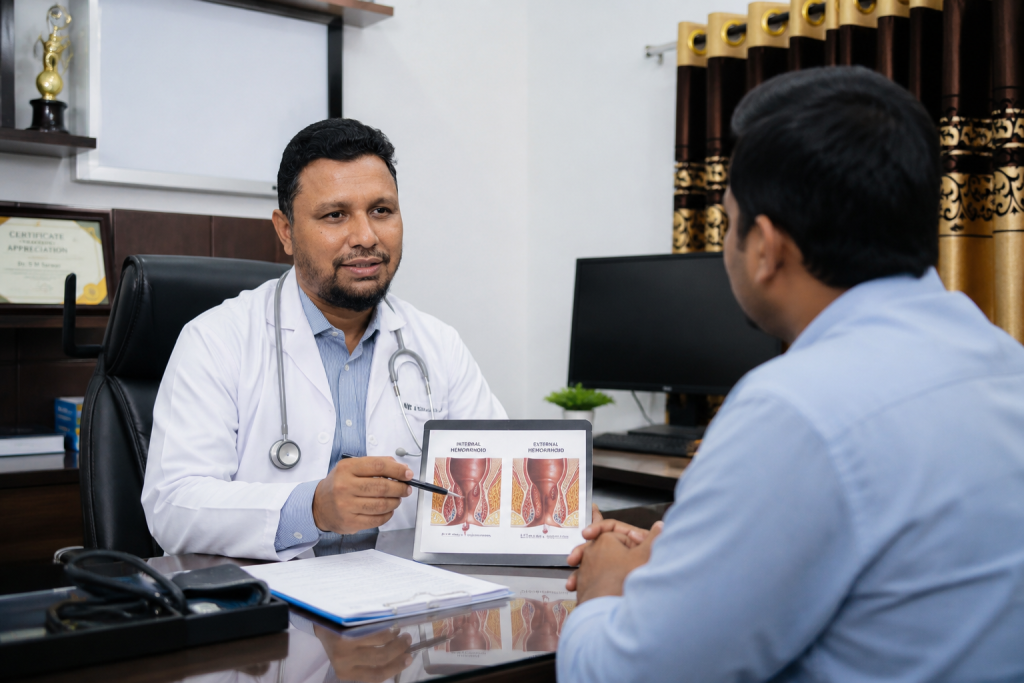
Hemorrhoids, commonly known as piles, are one of the most common anorectal conditions affecting millions of people worldwide every year. They occur when the normal vascular cushions inside the anal canal become enlarged or inflamed due to increased pressure. While many people experience only mild discomfort, others may develop persistent bleeding, pain, prolapse, itching, or swelling that significantly affects their daily life and overall well-being.
Although early-stage hemorrhoids often improve with lifestyle modifications, dietary changes, medication, and office-based treatments, more advanced cases may require surgical intervention. Fortunately, remarkable advances in colorectal surgery have transformed the way piles are treated. Modern laser hemorrhoid surgery offers a minimally invasive solution that minimizes tissue damage, reduces postoperative pain, shortens hospital stays, and helps most patients return to their normal routine much sooner than conventional surgery.
The most appropriate treatment depends on several important factors, including the type and grade of hemorrhoids, severity of symptoms, presence of complications, previous treatment response, and the patient’s overall health. Following a comprehensive clinical evaluation, supported by physical examination and appropriate diagnostic procedures, a colorectal surgeon can recommend the treatment option that offers the best balance of safety, effectiveness, and long-term symptom relief.
This comprehensive guide explains everything you need to know about piles—from understanding how hemorrhoids develop and recognizing the early warning signs to diagnosis, modern treatment options, laser surgery, recovery, long-term prevention, and answers to the questions patients ask most frequently.
Quick Facts About Laser Hemorrhoid Treatment
| Procedure Time | Usually 20–40 minutes |
|---|---|
| Anaesthesia | General or Spinal (depending on the patient and procedure) |
| Hospital Stay | Same-day discharge in most cases |
| Recovery | Usually 3–7 days for routine activities |
| Return to Work | Often within a few days, depending on the nature of work |
| Treatment Goal | Less pain, minimal bleeding, faster recovery, and improved quality of life |
Understanding Piles (Hemorrhoids)
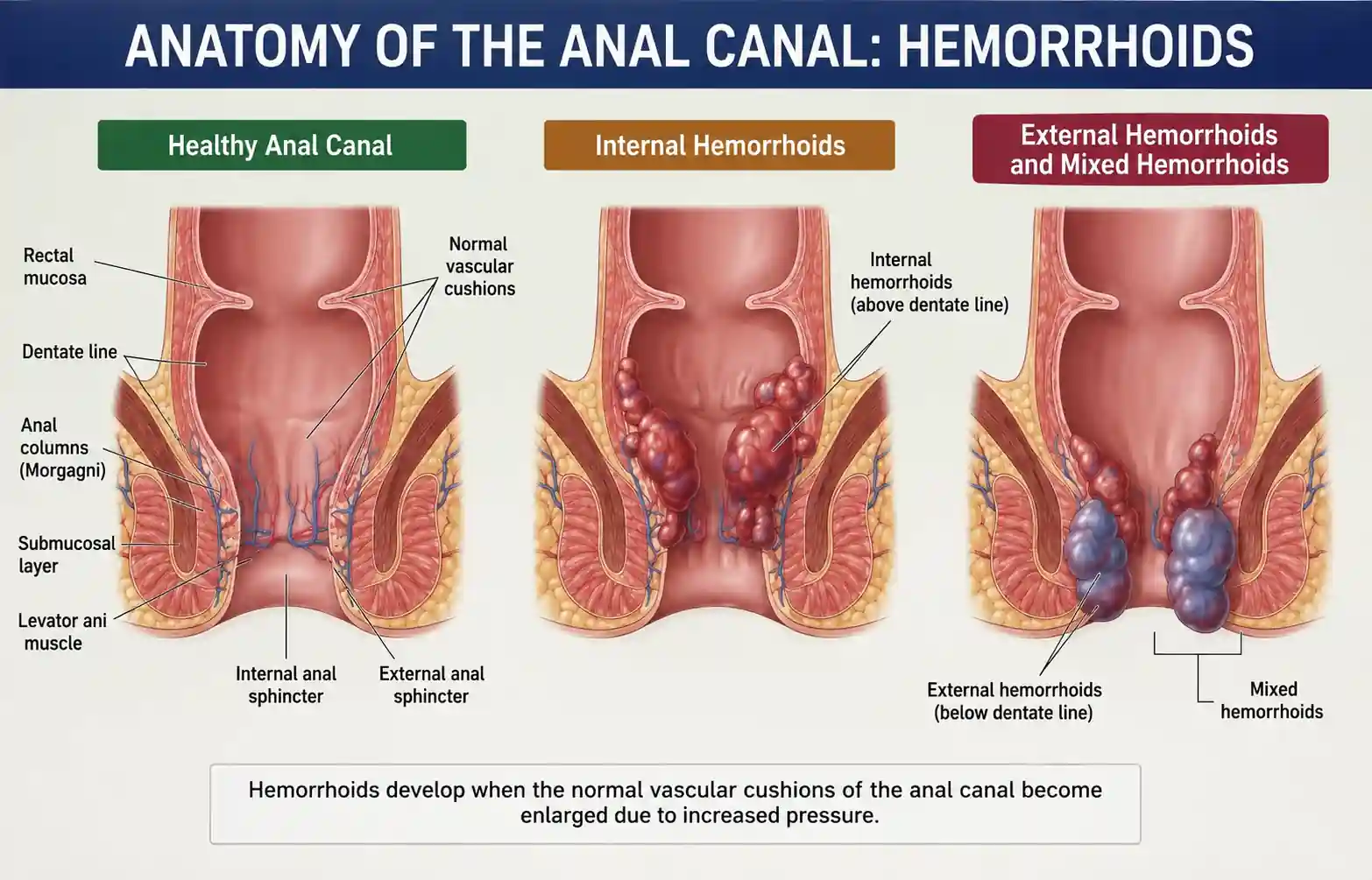
Hemorrhoids are swollen or enlarged veins located in the lower rectum or around the anus. These vascular cushions are a normal part of the human body and play an important role in maintaining bowel continence. Problems arise when increased pressure causes these veins to enlarge, stretch, or become inflamed, leading to symptoms such as bleeding, pain, itching, swelling, or prolapse.
Depending on their location, hemorrhoids may develop inside the rectum (internal hemorrhoids) or under the skin around the anus (external hemorrhoids). Some patients experience only occasional discomfort, while others develop persistent symptoms that interfere with sitting, walking, bowel movements, and everyday activities.
Piles can affect adults of all ages but become increasingly common with advancing age. Chronic constipation, repeated straining during bowel movements, prolonged sitting, pregnancy, obesity, low-fiber diets, and sedentary lifestyles are among the most common contributing factors. In many cases, symptoms develop gradually and worsen over time if the underlying causes are not addressed.
Although hemorrhoids are not usually life-threatening, they should never be ignored. Persistent rectal bleeding or a lump around the anus may also be associated with other colorectal conditions that require medical evaluation. Early diagnosis allows appropriate treatment, prevents complications, and improves long-term outcomes.
What Causes Piles?
Hemorrhoids develop when excessive or repeated pressure is placed on the veins within the lower rectum and anal canal. Over time, this increased pressure weakens the supporting tissues, allowing the vascular cushions to enlarge, stretch, and become symptomatic. Although piles are extremely common, they rarely occur because of a single cause. Instead, they usually result from a combination of lifestyle habits, bowel patterns, age-related changes, and certain medical or physiological conditions.
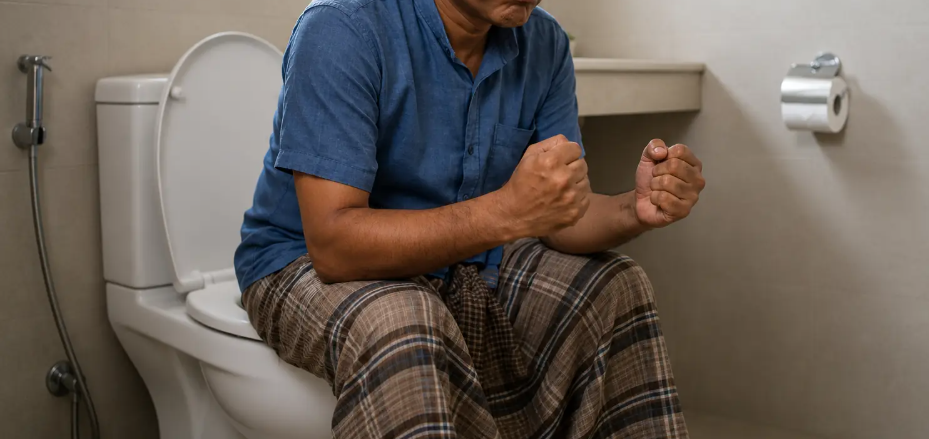
One of the leading causes is chronic constipation. When bowel movements become difficult, many people strain repeatedly to pass stool. This straining significantly increases pressure inside the anal canal, causing the hemorrhoidal veins to swell. Frequent constipation also leads to prolonged time spent on the toilet, which further increases venous pressure and contributes to hemorrhoid formation.
On the other hand, chronic diarrhea can also irritate the anal canal and trigger inflammation of the hemorrhoidal tissue. Repeated bowel movements and continuous irritation may gradually weaken the surrounding structures, increasing the likelihood of developing symptomatic hemorrhoids.
Pregnancy is another well-recognized cause of piles. As the uterus enlarges, it places additional pressure on the pelvic veins, while hormonal changes relax the supporting tissues of the rectum. These combined effects explain why hemorrhoids are particularly common during the third trimester and after childbirth. Fortunately, many pregnancy-related hemorrhoids improve gradually after delivery, although some women continue to experience persistent symptoms that require medical treatment.
Modern lifestyles also play a significant role. Spending long hours sitting at a desk, driving for extended periods, limited physical activity, obesity, and diets low in dietary fiber all contribute to poor bowel habits and increased pressure on the anorectal veins.
Although aging itself does not directly cause hemorrhoids, the connective tissues supporting the anal cushions naturally become weaker over time. As a result, adults over the age of 40 are more likely to develop prolapsing hemorrhoids than younger individuals.
Understanding these underlying causes is important because successful treatment involves more than simply relieving symptoms. Addressing the factors that contributed to hemorrhoid development is essential for reducing the risk of recurrence after treatment.
Common Causes of Piles
- Chronic constipation
- Frequent straining during bowel movements
- Prolonged sitting on the toilet
- Low-fiber diet
- Inadequate water intake
- Chronic diarrhea
- Pregnancy and childbirth
- Obesity
- Sedentary lifestyle
- Aging and weakening of supporting tissues
Clinical Insight
Treating hemorrhoids without correcting chronic constipation or poor bowel habits often leads to recurrence. Long-term success depends on both effective treatment and healthy lifestyle modifications.
Risk Factors
While anyone can develop hemorrhoids, certain individuals are significantly more likely to experience the condition because of personal, occupational, or medical factors. Understanding these risk factors allows patients to make healthier lifestyle choices and seek treatment before symptoms become severe.
A low-fiber diet remains one of the most important modifiable risk factors. Diets lacking fruits, vegetables, legumes, and whole grains often result in harder stools that require greater effort to pass. Increasing daily fiber intake is one of the simplest and most effective ways to improve bowel regularity and reduce pressure within the anal canal.
People whose occupations involve prolonged sitting or standing—such as office workers, professional drivers, and factory employees—may also face a higher risk. Remaining in one position for extended periods can impair venous circulation in the pelvic region and increase pressure around the rectum.
Obesity places additional stress on the pelvic floor and anorectal veins, while physical inactivity contributes to slower bowel movements and constipation. Similarly, individuals who regularly lift heavy objects may repeatedly increase abdominal pressure, further predisposing them to hemorrhoid formation.
A family history of hemorrhoids may also increase susceptibility, suggesting that inherited differences in connective tissue strength can influence the likelihood of developing the condition.
Common Risk Factors
- Age over 40 years
- Chronic constipation or chronic diarrhea
- Low-fiber eating habits
- Poor hydration
- Pregnancy
- Obesity
- Sedentary lifestyle
- Prolonged sitting
- Heavy lifting
- Family history of hemorrhoids
How Are Hemorrhoids Diagnosed?
Accurate diagnosis is the foundation of effective hemorrhoid treatment. Although many patients assume that rectal bleeding or anal discomfort is caused by piles, similar symptoms can also occur in conditions such as anal fissures, colorectal polyps, inflammatory bowel disease, or colorectal cancer. For this reason, every patient with persistent symptoms should undergo an appropriate medical evaluation rather than relying on self-diagnosis.
The assessment begins with a detailed medical history. Your colorectal surgeon will ask about the duration of symptoms, bowel habits, bleeding, pain, constipation, previous treatments, medical conditions, and family history of colorectal disease.
A careful physical examination is then performed to evaluate external hemorrhoids, swelling, skin tags, fissures, or other abnormalities around the anus.
Depending on your symptoms, additional examinations may include:
- Digital Rectal Examination (DRE)
- Anoscopy
- Proctoscopy
- Sigmoidoscopy
- Colonoscopy (when clinically indicated)
Among these, anoscopy is one of the most useful tools for identifying internal hemorrhoids, while colonoscopy may be recommended for older adults or patients with unexplained rectal bleeding to exclude more serious colorectal conditions.
Early diagnosis not only confirms the presence and grade of hemorrhoids but also helps determine whether conservative treatment, office procedures, or laser surgery is the most appropriate option.
Non-Surgical Treatment Options
Not every patient with hemorrhoids requires surgery. In fact, many individuals with Grade I and early Grade II hemorrhoids experience significant improvement through conservative treatment and healthy lifestyle modifications.
Increasing dietary fiber and drinking adequate amounts of water are usually the first recommendations. Softer stools reduce the need for straining, allowing inflamed hemorrhoidal tissue to heal naturally.
Doctors may also prescribe medications such as stool softeners, fiber supplements, topical creams, suppositories, or short-term anti-inflammatory medicines to relieve symptoms. Warm sitz baths can further reduce discomfort and improve blood circulation around the anal region.
For patients whose symptoms persist despite medication, minimally invasive office-based procedures—including rubber band ligation, infrared coagulation, or sclerotherapy—may provide effective symptom relief without conventional surgery.
While these treatments can successfully manage many cases, they are not suitable for every patient. Advanced hemorrhoids, significant prolapse, recurrent bleeding, or severe symptoms often require a more definitive surgical approach.
When Is Laser Surgery Recommended?
Modern laser hemorrhoid surgery is generally recommended when conservative treatment no longer provides adequate symptom relief or when hemorrhoids have progressed to a more advanced stage.
Your colorectal surgeon may recommend laser treatment if you experience:
- Persistent rectal bleeding
- Recurrent prolapsing hemorrhoids
- Grade III hemorrhoids
- Selected Grade IV hemorrhoids
- Severe pain or recurrent thrombosed hemorrhoids
- Failure of medications or office procedures
- Symptoms that significantly affect daily life and quality of life
Unlike traditional hemorrhoid surgery, laser treatment uses focused energy to shrink and seal hemorrhoidal tissue with minimal damage to the surrounding structures. This often results in less postoperative pain, minimal bleeding, reduced swelling, and a faster return to everyday activities, making it an increasingly preferred option for appropriately selected patients.
Clinical Tip
Laser surgery is not the right choice for every patient. The most appropriate treatment depends on the type, grade, and severity of hemorrhoids, as well as your overall health and clinical examination findings. A consultation with an experienced colorectal surgeon is essential to determine the best treatment plan.
Benefits of Modern Laser Hemorrhoid Treatment
Over the past two decades, advances in laser technology have significantly transformed the treatment of hemorrhoids. Traditional hemorrhoid surgery has long been recognized as an effective treatment for advanced piles, but many patients have understandably been concerned about postoperative pain, bleeding, and prolonged recovery.
Today, modern laser hemorrhoid treatment offers a minimally invasive alternative for appropriately selected patients. Instead of removing large amounts of tissue with a scalpel, laser energy is used to precisely shrink and seal the enlarged hemorrhoidal tissue while minimizing damage to the surrounding healthy structures. This precision allows the body to heal more naturally, often resulting in greater comfort during the recovery period.
One of the most significant advantages of laser treatment is reduced postoperative pain. Because the procedure causes less tissue trauma and fewer nerve endings are disturbed, many patients experience considerably less discomfort compared with conventional hemorrhoid surgery.
Another important benefit is minimal bleeding. The laser simultaneously seals small blood vessels as it treats the hemorrhoid, reducing blood loss during the procedure and lowering the risk of postoperative bleeding.
Recovery is also generally faster. Most patients are able to walk within a few hours after surgery and return home on the same day. Depending on the nature of their work and the extent of the procedure, many individuals resume normal daily activities within several days.
In addition to faster recovery, laser treatment is associated with a lower risk of wound-related complications because there is less tissue injury. Many patients also appreciate the absence of large surgical wounds, which contributes to a more comfortable healing process.
Although laser technology offers numerous advantages, it is important to understand that the success of treatment depends not only on the technology itself but also on proper patient selection and the experience of the colorectal surgeon. Not every hemorrhoid is suitable for laser treatment, and a thorough clinical evaluation is essential before choosing the most appropriate procedure.
Benefits of Laser Hemorrhoid Surgery
- Minimally invasive procedure
- Less postoperative pain
- Minimal bleeding during surgery
- Reduced tissue damage
- Lower risk of infection
- Same-day discharge in most patients
- Faster recovery
- Earlier return to work and daily activities
- Improved patient comfort
- Excellent cosmetic outcome with no large external incision
Clinical Insight
Laser technology is a valuable advancement in hemorrhoid treatment, but it is not a replacement for proper clinical judgment. The best outcomes are achieved when the treatment method is carefully matched to the patient’s symptoms, hemorrhoid grade, and overall health.
Step-by-Step: What Happens During Laser Hemorrhoid Surgery?
Many patients postpone treatment simply because they do not know what to expect during surgery. Understanding each step of the procedure often helps reduce anxiety and allows patients to feel more confident before their operation.
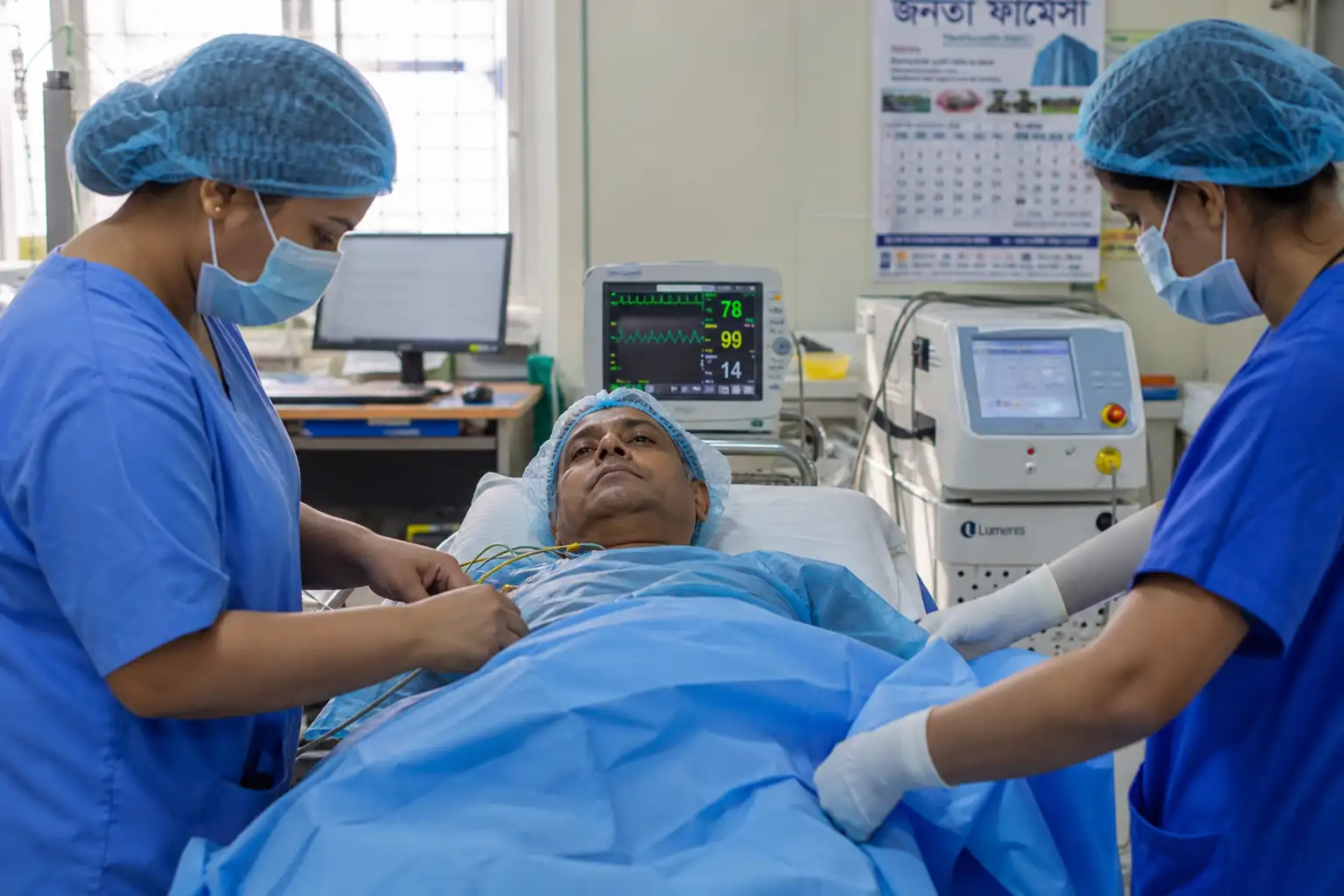
After arriving at the hospital, the patient is admitted and prepared by the nursing and anesthesia teams. Routine safety checks are completed, and the surgeon reviews the planned procedure before the patient is taken to the operating room.
Depending on the individual case, the operation is performed under general anesthesia or spinal anesthesia, ensuring that the patient remains comfortable throughout the procedure.
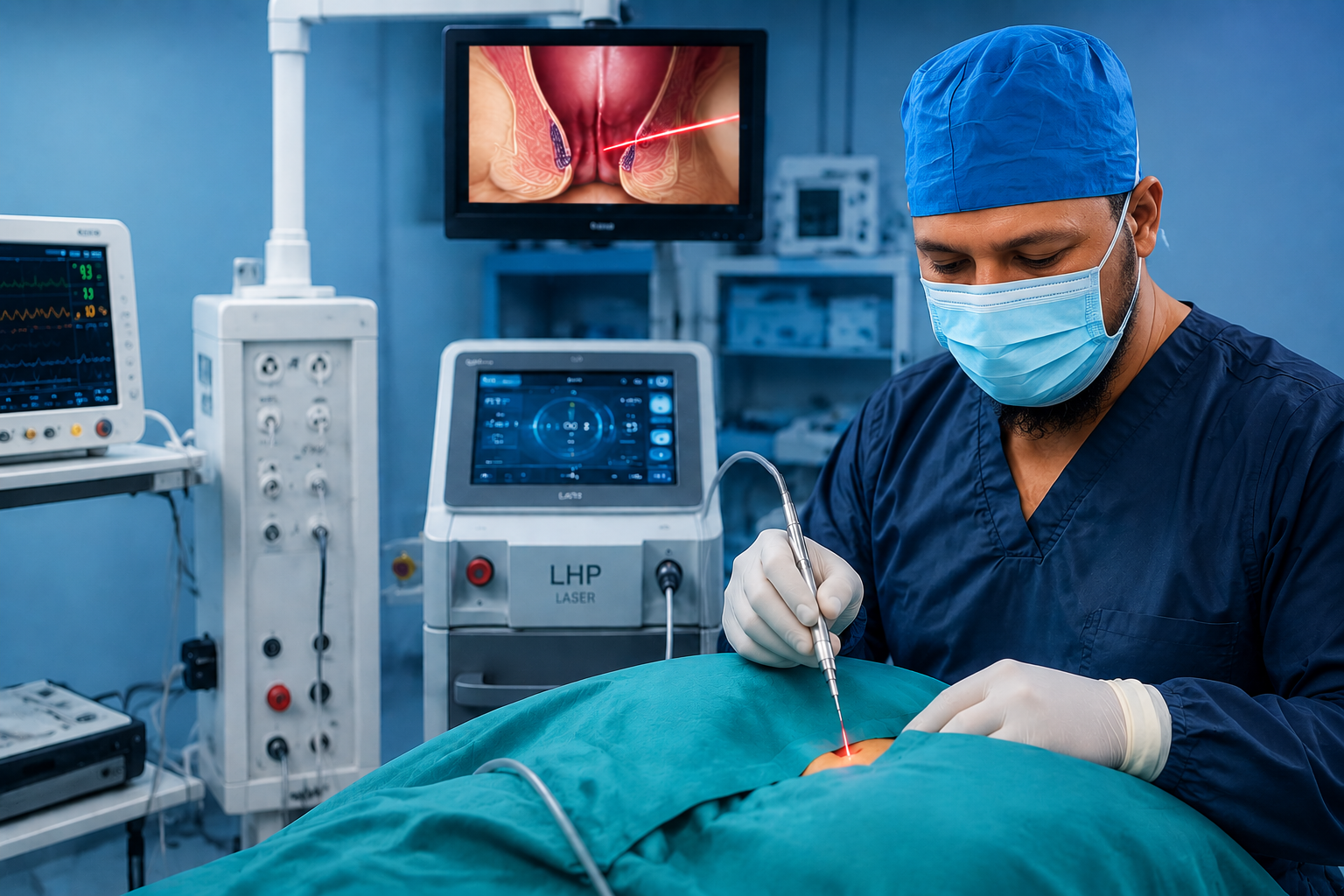
Once anesthesia has taken effect, the surgeon gently introduces a specialized anoscope to visualize the hemorrhoids. A dedicated surgical laser fiber is then positioned with great precision. Controlled laser energy is delivered directly into the enlarged hemorrhoidal tissue, causing the abnormal blood vessels to collapse and the hemorrhoid to gradually shrink while preserving much of the surrounding healthy tissue.
Unlike conventional hemorrhoid surgery, extensive cutting and suturing are often unnecessary. Because the laser seals small blood vessels during treatment, bleeding is usually minimal.
After confirming that all targeted hemorrhoidal tissue has been adequately treated, the procedure is completed. In most cases, the entire operation takes approximately 20 to 40 minutes, although the exact duration depends on the number and complexity of the hemorrhoids being treated.
Patients are then transferred to the recovery area, where they are monitored until the effects of anesthesia have worn off. Most individuals are discharged later the same day with detailed instructions regarding medications, diet, hygiene, and follow-up appointments.
What to Expect on the Day of Surgery
- Hospital admission and preoperative assessment
- Administration of anesthesia
- Gentle examination of the anal canal
- Precise laser treatment of the hemorrhoidal tissue
- Final inspection to ensure bleeding control
- Recovery room observation
- Same-day discharge in most cases
Did You Know?
Most laser hemorrhoid procedures are completed as day-care surgeries, allowing patients to return home on the same day without an overnight hospital stay.
Preparing for Laser Hemorrhoid Surgery
Successful surgery begins well before entering the operating room. Proper preparation helps reduce surgical risks, improves recovery, and ensures that the procedure can be performed as safely as possible.
Before recommending laser surgery, your colorectal surgeon will conduct a comprehensive assessment of your symptoms, medical history, previous treatments, and overall health. This evaluation helps determine whether laser treatment is the most appropriate option for your specific condition.
Depending on your age, medical history, and existing health conditions, your doctor may recommend blood investigations, urine tests, ECG, or other preoperative assessments to ensure that you are medically fit for anesthesia.
If you are taking blood-thinning medications such as aspirin, clopidogrel, or anticoagulants, your surgeon may advise temporary adjustments before surgery. However, these medications should never be stopped without medical guidance, as doing so may increase the risk of serious complications.
Patients are usually instructed to avoid eating or drinking for several hours before anesthesia. You should also inform your healthcare team about any allergies, chronic illnesses, or previous reactions to anesthesia.
Equally important is preparing mentally for the procedure. Understanding the surgical process, asking questions during your consultation, and following your surgeon’s instructions carefully can help reduce anxiety and contribute to a smoother recovery.
Before Surgery, Your Doctor May Recommend
- Complete medical evaluation
- Physical examination
- Blood investigations
- ECG (when indicated)
- Medication review
- Temporary adjustment of blood-thinning medicines (if required)
- Fasting before anesthesia
- Discussion of the procedure and expected recovery
Patient Tip
Arrange for a family member or trusted companion to accompany you on the day of surgery, particularly if you will be receiving general anesthesia. Having someone available to assist you during the first 24 hours can make your recovery more comfortable.
Recovery After Laser Hemorrhoid Surgery
One of the greatest advantages of modern laser hemorrhoid surgery is the relatively quick and comfortable recovery compared with many conventional surgical techniques. Because the laser precisely targets the hemorrhoidal tissue while minimizing damage to the surrounding structures, most patients experience less postoperative pain, reduced swelling, and a faster return to their daily routine.
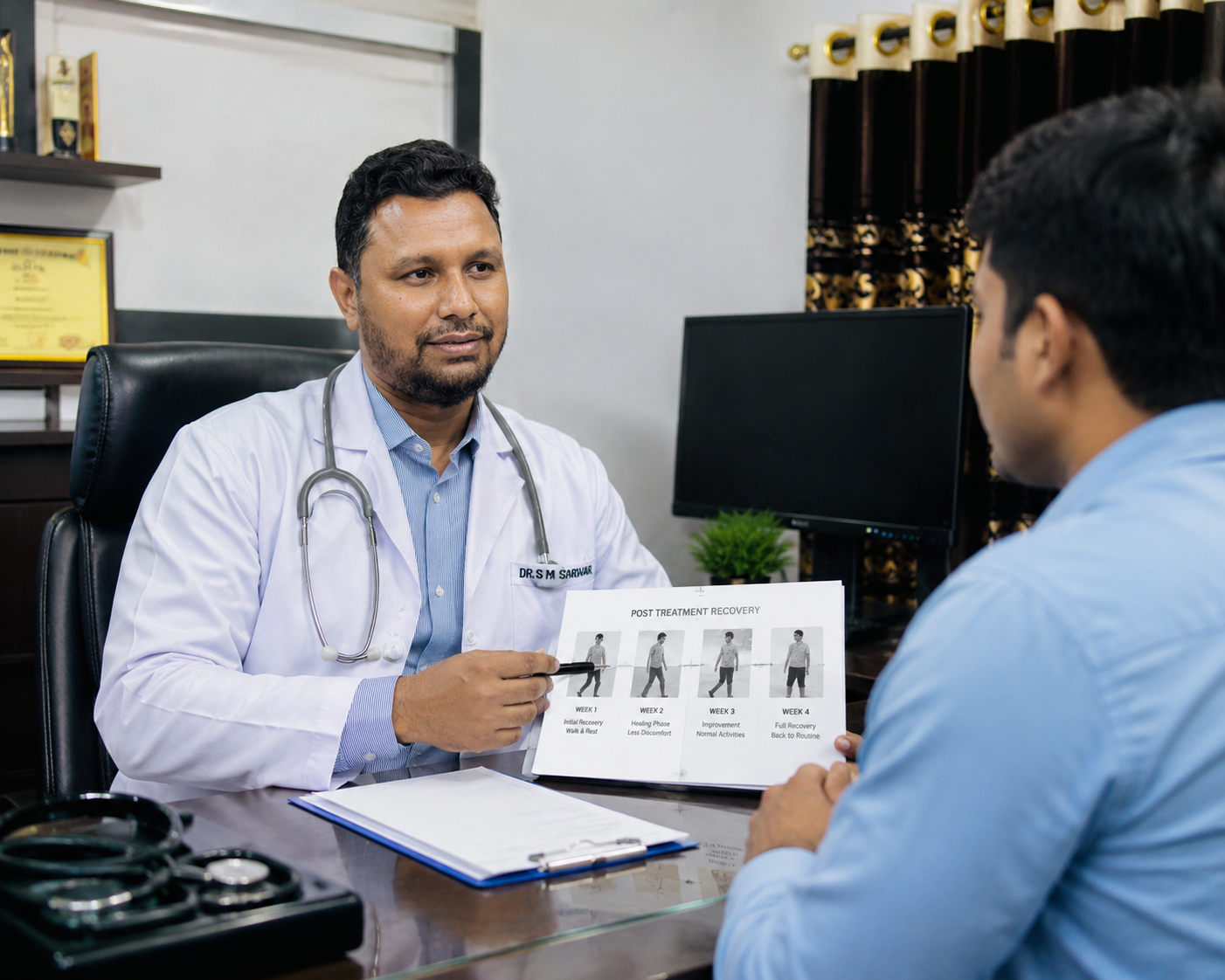
Immediately after the procedure, patients are monitored in the recovery area until the effects of anesthesia have worn off. In most cases, individuals are able to walk within a few hours and return home on the same day. Mild discomfort, a feeling of fullness around the anal area, or slight bleeding during the first few bowel movements is common and usually improves gradually over the following days.
The speed of recovery varies from person to person and depends on factors such as the severity of the hemorrhoids, the extent of treatment, overall health, and how closely postoperative instructions are followed. While many patients resume light activities within 24 to 72 hours, strenuous exercise and heavy lifting should be postponed until approved by the treating surgeon.
It is equally important to remember that healing continues even after symptoms begin to improve. Maintaining healthy bowel habits, following the recommended diet, and attending follow-up appointments all contribute to a successful long-term outcome.
Recovery Timeline
| Time After Surgery | What You Can Expect |
|---|---|
| First 24 Hours | Mild discomfort, light walking encouraged, same-day discharge for most patients |
| 2–3 Days | Pain and swelling begin to improve, gradual return to light daily activities |
| 1 Week | Most patients feel significantly better and resume routine work |
| 2–3 Weeks | Continued healing with minimal discomfort |
| 4–6 Weeks | Complete recovery in most uncomplicated cases |
Recovery Tip
Every patient heals at a different pace. Avoid comparing your recovery with others, and always follow your surgeon’s advice regarding activity, medications, and follow-up care.

Post-Operative Care: Supporting a Smooth Recovery
The success of laser hemorrhoid surgery depends not only on the procedure itself but also on proper postoperative care. Following your surgeon’s instructions carefully helps reduce discomfort, minimizes complications, and supports faster healing.
One of the most important goals after surgery is to prevent constipation. Hard stools and excessive straining can place unnecessary pressure on the healing tissues and increase discomfort. Drinking adequate amounts of water and eating a fiber-rich diet help keep bowel movements soft and regular.
Your doctor may prescribe pain medication, stool softeners, or laxatives for a short period. These medications should be taken exactly as instructed, even if symptoms begin to improve.
Maintaining good anal hygiene is equally important. Cleaning the area gently with lukewarm water after bowel movements and keeping the area dry can reduce irritation and lower the risk of infection. Many patients also find that warm sitz baths several times a day provide significant relief from discomfort during the first week after surgery.
Although complete bed rest is unnecessary, strenuous physical activity, cycling, heavy lifting, and intense exercise should be avoided until healing has progressed sufficiently.
Recovery Tips
- Drink at least 2–3 liters of water daily unless advised otherwise.
- Eat a high-fiber diet.
- Take prescribed medications regularly.
- Avoid straining during bowel movements.
- Walk several times each day.
- Maintain gentle anal hygiene.
- Attend all scheduled follow-up appointments.
- Contact your surgeon if symptoms worsen unexpectedly.
Clinical Advice
The first bowel movement after surgery may cause anxiety, but it is usually much more comfortable when stools remain soft through proper hydration, dietary fiber, and prescribed stool softeners.

Diet After Laser Hemorrhoid Surgery
Diet plays a crucial role in recovery and in preventing future hemorrhoid problems. Surgery treats the existing hemorrhoids, but healthy eating habits help reduce pressure on the anal canal and support long-term bowel health.
During the first few days after surgery, patients are encouraged to consume foods that are easy to digest while maintaining adequate fluid intake. As recovery progresses, the focus should shift toward a balanced, fiber-rich diet that promotes regular bowel movements.
Fresh fruits, vegetables, legumes, whole grains, and adequate water help soften stool naturally and reduce the need for straining. At the same time, limiting processed foods, excessive red meat, spicy foods (if they worsen symptoms), and alcohol may help reduce irritation during the early recovery period.
Rather than following a temporary “post-surgery diet,” patients should aim to develop lifelong healthy eating habits that reduce the risk of hemorrhoid recurrence.
Foods That Support Recovery
- Fresh fruits
- Green leafy vegetables
- Whole grains
- Oats
- Brown rice
- Lentils and beans
- Yogurt
- Plenty of water
Foods to Limit During Early Recovery
- Highly processed foods
- Excessively spicy meals (if poorly tolerated)
- Deep-fried foods
- Excessive red meat
- Alcohol
- Sugary soft drinks
Nutrition Tip
Fiber works best when combined with adequate water intake. Increasing fiber without drinking enough fluids may actually worsen constipation.

Why Follow-Up Care Is Essential After Laser Hemorrhoid Surgery
Successful treatment does not end when the laser procedure is completed. Follow-up care is an important part of the healing process, allowing your colorectal surgeon to monitor your recovery, answer any concerns, and ensure that everything is progressing as expected. Regular postoperative visits help identify any potential problems early and provide reassurance as you return to your normal daily routine.
During your follow-up appointment, your surgeon may assess your healing, review your bowel habits, adjust medications if needed, and offer personalized advice on diet, physical activity, and lifestyle modifications. These visits also provide an opportunity to discuss any persistent discomfort, clarify recovery expectations, and receive guidance on preventing future hemorrhoid problems. Continuing care after surgery plays an important role in achieving the best possible long-term outcome.
Possible Risks and Complications
Modern laser hemorrhoid surgery is considered a safe and effective procedure when performed by an experienced colorectal surgeon. Nevertheless, as with any surgical intervention, certain risks and complications may occur, although serious problems are uncommon.
Most patients experience only mild discomfort that gradually improves over several days. Temporary spotting of blood, mild swelling, or discomfort during bowel movements can be expected during the early healing period.
Less commonly, patients may develop infection, urinary retention, delayed bleeding, or persistent pain that requires additional medical attention. In rare situations, further treatment may be necessary if hemorrhoid symptoms recur or if healing is delayed.
Following postoperative instructions carefully and attending scheduled follow-up visits greatly reduces the likelihood of complications.
Possible Complications
- Temporary pain or discomfort
- Mild rectal bleeding
- Swelling around the anus
- Infection (uncommon)
- Urinary retention (rare)
- Delayed wound healing
- Recurrence of hemorrhoids over time
- Persistent symptoms requiring further evaluation
Important
Most complications are uncommon and can be treated successfully when recognized early. Prompt communication with your surgeon is essential if symptoms do not improve as expected.
Can Piles Return After Laser Treatment?
Laser surgery treats the existing hemorrhoids effectively, but no treatment can completely eliminate the possibility of future hemorrhoids if the underlying causes remain unchanged.
Patients who continue to experience chronic constipation, prolonged straining, obesity, or poor dietary habits remain at increased risk of recurrence over time.
Fortunately, adopting healthy lifestyle habits can significantly reduce this risk.
Maintaining a fiber-rich diet, drinking sufficient water, exercising regularly, avoiding prolonged sitting on the toilet, responding promptly to the urge to pass stool, and maintaining a healthy body weight all contribute to better long-term outcomes.
Regular follow-up with your colorectal surgeon is particularly important for patients with recurrent symptoms or additional colorectal conditions.
How to Help Prevent Recurrence
- Eat a high-fiber diet every day.
- Drink adequate water.
- Avoid prolonged straining.
- Stay physically active.
- Maintain a healthy weight.
- Treat constipation early.
- Avoid sitting on the toilet for extended periods.
- Follow your doctor’s long-term recommendations.
Healthy Lifestyle Reminder
Surgery removes the hemorrhoids—but healthy bowel habits help prevent them from coming back.
When Should You Seek Emergency Medical Care?
Although hemorrhoids are generally not life-threatening, certain symptoms should never be ignored. While mild bleeding, itching, or discomfort may be caused by uncomplicated piles, severe or persistent symptoms can sometimes indicate a more serious colorectal condition that requires urgent medical attention.
Recognizing these warning signs early allows timely diagnosis and treatment, helping prevent complications and ensuring the best possible outcome.
Seek Immediate Medical Attention If You Experience:
- Heavy or continuous rectal bleeding
- Severe anal pain that develops suddenly
- A painful bluish lump around the anus (possible thrombosed hemorrhoid)
- Fever, chills, or increasing redness after surgery
- Pus or foul-smelling discharge from the anal region
- Difficulty passing urine after surgery
- Persistent bleeding that does not improve
- Severe dizziness or fainting associated with bleeding
- Black or tarry stools
- Unexplained weight loss or persistent changes in bowel habits
Emergency Warning
Never assume that every episode of rectal bleeding is caused by hemorrhoids. Bleeding may also occur in colorectal polyps, inflammatory bowel disease, diverticular disease, or colorectal cancer. If you experience persistent bleeding or any concerning symptoms, seek prompt evaluation by a qualified colorectal specialist.
Frequently Asked Questions (FAQs)
What is laser treatment for piles?
Laser hemorrhoid treatment is a minimally invasive procedure that uses focused laser energy to shrink and seal enlarged hemorrhoidal tissue while preserving surrounding healthy structures. Compared with many conventional surgical techniques, it is associated with less pain, minimal bleeding, and faster recovery in appropriately selected patients.
Is laser hemorrhoid surgery painful?
Most patients experience significantly less postoperative pain than with traditional hemorrhoid surgery. Mild discomfort during the first few days is common but is usually well controlled with prescribed medication.
How long does laser hemorrhoid surgery take?
The procedure typically takes 20 to 40 minutes, depending on the number, size, and complexity of the hemorrhoids being treated.
Will I need to stay in the hospital?
In most cases, no. Laser hemorrhoid surgery is commonly performed as a day-care procedure, allowing patients to return home on the same day once they have recovered from anesthesia.
How soon can I return to work?
Many patients return to office-based work within 3–7 days. Individuals with physically demanding jobs may require a longer recovery period, depending on their surgeon’s advice.
Can hemorrhoids come back after laser treatment?
Yes. Although laser surgery effectively treats existing hemorrhoids, recurrence is possible if chronic constipation, prolonged straining, obesity, or poor bowel habits continue. Maintaining a healthy lifestyle helps reduce this risk.
Is laser treatment suitable for every patient?
Not necessarily. The best treatment depends on the grade of hemorrhoids, severity of symptoms, associated conditions, and the patient’s overall health. A consultation with a colorectal surgeon is essential to determine the most appropriate treatment.
What should I eat after surgery?
A diet rich in fiber, including fruits, vegetables, legumes, and whole grains, together with adequate water intake, helps soften stools and promotes comfortable bowel movements during recovery.
Can I exercise after laser hemorrhoid surgery?
Light walking is usually encouraged soon after surgery. However, strenuous exercise, cycling, and heavy lifting should be avoided until your surgeon confirms that healing has progressed sufficiently.
When should I contact my doctor after surgery?
Contact your healthcare provider immediately if you experience heavy bleeding, severe pain, fever, increasing swelling, pus discharge, difficulty passing urine, or any symptoms that worsen instead of improving.
When to Consult a Colorectal Specialist
Many people delay seeking medical care because they assume hemorrhoids are a minor problem or feel uncomfortable discussing anorectal symptoms. However, early consultation often leads to simpler treatment, quicker recovery, and a lower risk of complications.
You should arrange an appointment with a colorectal specialist if you experience:
- Recurrent rectal bleeding
- Persistent pain or itching
- A lump around the anus
- Hemorrhoids that prolapse during bowel movements
- Symptoms lasting longer than one to two weeks
- No improvement despite home treatment
- Recurrent hemorrhoids affecting your quality of life
A comprehensive evaluation allows your doctor to confirm the diagnosis, exclude other colorectal conditions, and recommend the most effective treatment based on your individual needs.
Final Thoughts
Living with piles does not have to become a permanent part of your life. Although hemorrhoids are extremely common, they are also highly treatable. Advances in minimally invasive colorectal surgery—particularly modern laser technology—have made treatment more comfortable, more precise, and more convenient than ever before.
The key to successful treatment is early diagnosis, choosing the right treatment for the severity of the condition, and adopting healthy bowel habits that support long-term colorectal health. Whether your symptoms are mild or have begun to interfere with your daily activities, seeking timely medical advice can make a significant difference to your recovery and overall quality of life.
Remember, you do not have to live with persistent pain, bleeding, or discomfort. With expert evaluation and individualized care, most patients can return to normal life with confidence and comfort.
Medical Disclaimer
This article is intended for educational and informational purposes only and should not be considered a substitute for professional medical advice, diagnosis, or treatment. Every patient is unique, and treatment recommendations vary depending on individual medical history, examination findings, and diagnostic results. Always consult a qualified healthcare professional for personalized medical advice. If you experience severe pain, fever, difficulty passing urine, heavy bleeding, or any medical emergency, seek immediate medical attention.


