

Understanding Pre-Surgery Anxiety: Why It Happens
Facing surgery can feel overwhelming for many patients. It is very common to experience fear, stress, or uncertainty before undergoing any surgical procedure. Whether it is a minor operation or a major one, the thought of surgery often creates mental pressure.
This fear usually comes from not knowing what will happen during the procedure, concerns about pain, or worry about recovery. Many patients also feel anxious because of hearing negative experiences from others.
However, it is important to understand that modern surgical techniques are highly advanced, safe, and carefully monitored by experienced medical teams. With the right preparation and mindset, this fear can be significantly reduced.
Common Reasons Behind Surgery Fear
There are several reasons why patients feel anxious before surgery:
✔ Fear of pain during or after the procedure
✔ Anxiety about anesthesia and losing consciousness
✔ Lack of clear understanding about the surgery
✔ Previous negative medical experiences
✔ Hearing frightening stories from others
✔ Fear of complications or unexpected outcomes
✔ Concern about recovery time and daily life disruption
Why Managing Anxiety Before Surgery Is Important
Pre-surgery anxiety is not just emotional—it can also affect your physical condition.
High stress levels may lead to:
✔ Increased blood pressure
✔ Faster heart rate
✔ Poor sleep before surgery
✔ Reduced immunity
✔ Slower recovery after surgery
Managing anxiety helps your body stay stable and improves overall surgical outcomes.
5 Effective Ways to Reduce Surgery Anxiety
Talk Openly With Your Doctor
One of the most effective ways to reduce fear is clear communication with your doctor.
Understanding the procedure can remove unnecessary fear and confusion.
✔ Ask about each step of the surgery
✔ Know how long the procedure will take
✔ Discuss possible risks and how they are managed
✔ Inform your doctor about your fears and concerns
When you have accurate information, your mind becomes more calm and confident.

Focus on Recovery & Positive Outcomes
Instead of focusing on fear, try to shift your attention to the benefits of the surgery.
Most surgical procedures are performed to improve your health and quality of life.
✔ Relief from pain or discomfort
✔ Improvement in daily activities
✔ Better long-term health outcomes
✔ Faster recovery with modern techniques
Thinking positively helps reduce anxiety and builds confidence before surgery.

Practice Relaxation Techniques
Relaxation techniques are simple but very effective in reducing anxiety.
They help calm both your mind and body before surgery.
✔ Deep breathing exercises
✔ Meditation or mindfulness
✔ Listening to calming music
✔ Light walking or gentle activity (if advised)
Even a few minutes of relaxation daily can make a big difference.

Stay Connected With Family & Support System
Emotional support plays a crucial role in reducing fear.
Talking to someone you trust can help you feel more secure and less alone.
✔ Share your feelings with family members
✔ Talk to close friends
✔ Stay connected before the surgery
✔ Accept emotional support
A strong support system increases confidence and reduces mental stress.

Trust Modern Surgical Care
Modern healthcare systems follow strict safety standards.
Understanding this can help reduce unnecessary fear.
✔ Experienced and trained surgeons
✔ Advanced surgical equipment
✔ Safe and controlled operating environments
✔ Continuous patient monitoring
Most surgeries today are performed with high success rates and minimal complications.

What to Expect on the Day of Surgery
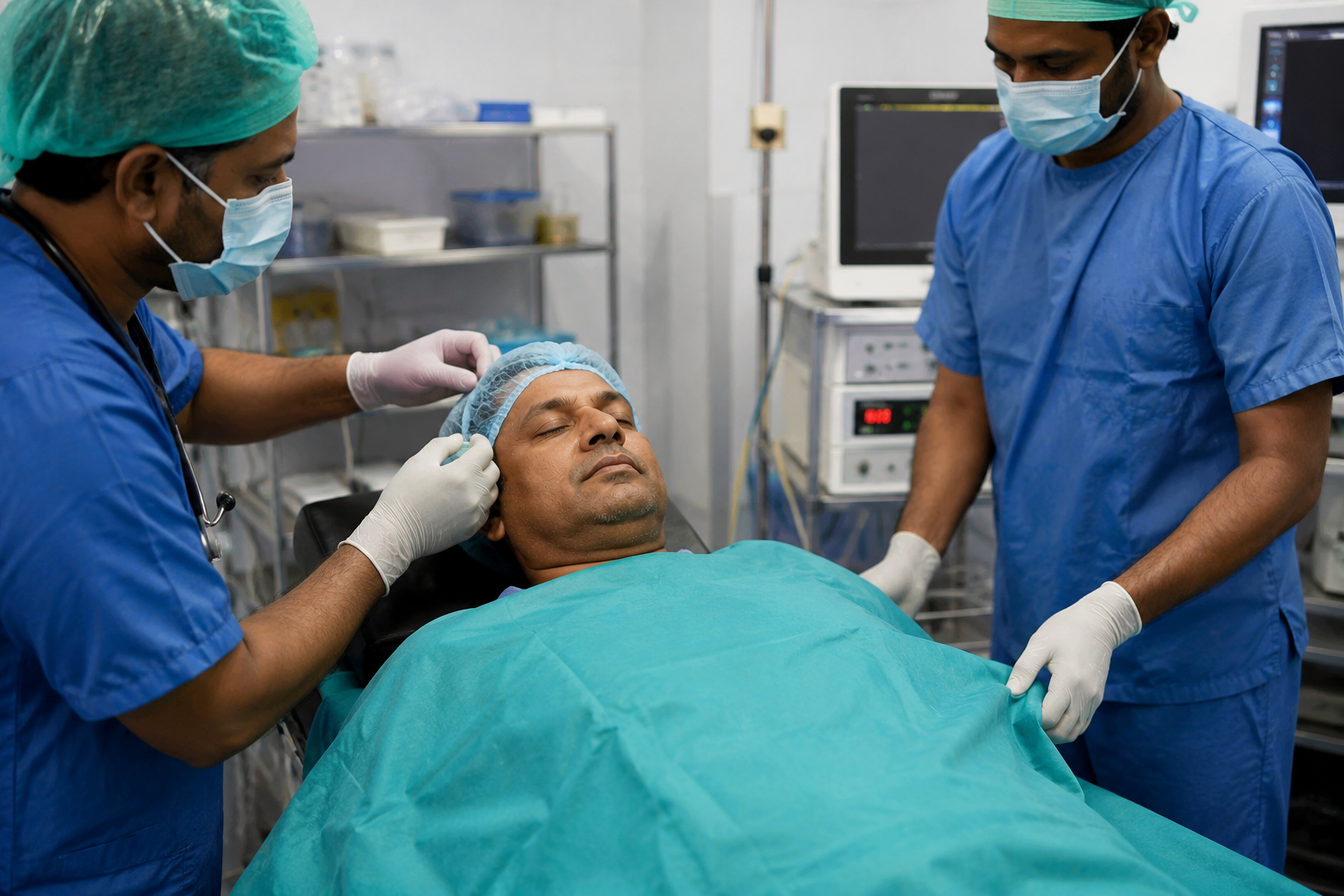
Knowing what will happen on the day of surgery can significantly reduce fear.
✔ You will be guided step-by-step by medical staff
✔ Pre-surgery preparation will be done carefully
✔ Anesthesia will ensure you do not feel pain
✔ Your vital signs will be continuously monitored
👉 Being prepared mentally helps you stay calm and confident
When Should You Inform Your Doctor?
While mild anxiety is normal, some symptoms should not be ignored:
🚨 Severe or persistent anxiety
🚨 Panic attacks
🚨 Difficulty sleeping for several days
🚨 Rapid heartbeat or physical discomfort
👉 In such cases, your doctor can provide guidance or support to help you relax
Final Thoughts
Fear before surgery is completely natural—but it should not prevent you from getting the treatment you need.
With proper knowledge, emotional support, and trust in your healthcare team, you can face surgery with confidence and peace of mind.
Consult a Specialist Today
📞 Book your appointment and discuss your concerns with an experienced doctor.
⚠ Medical Disclaimer
This article is intended for educational purposes only and should not be considered a substitute for professional medical advice, diagnosis, or treatment. Always consult a qualified surgeon regarding any medical condition or treatment decisions.


