

Not Every Varicocele Needs Surgery—But Every Varicocele Deserves Proper Evaluation
Hearing the word varicocele for the first time can be worrying, especially for men experiencing scrotal pain or fertility concerns. Fortunately, not every varicocele requires surgery. Many men live with a varicocele for years without symptoms, while others may develop discomfort, reduced testicular function, or fertility problems that require medical attention.
The most important step is a proper clinical evaluation. Treatment decisions should never be based solely on an ultrasound report. Instead, your surgeon considers your symptoms, physical examination findings, fertility goals, and the severity of the varicocele before recommending the most appropriate management plan.
For patients with persistent symptoms or clinically significant disease, laparoscopic varicocelectomy offers a modern minimally invasive surgical solution that combines precision with faster recovery.
What Is a Varicocele?
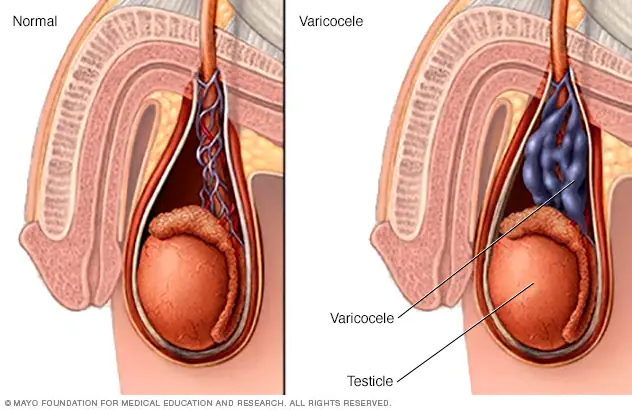
A varicocele is an abnormal enlargement of the pampiniform venous plexus—the network of veins responsible for draining blood from the testicle. When the valves inside these veins fail to function normally, blood pools within the veins, causing them to become enlarged and tortuous.
Varicoceles are similar in concept to varicose veins of the legs but occur within the scrotum. They are among the most common correctable causes of male infertility and are frequently diagnosed in adolescents and young adults.
Approximately 80–90% of varicoceles occur on the left side because the left testicular vein drains into the left renal vein at a right angle, creating relatively higher venous pressure. Bilateral varicoceles may also occur, although less commonly.
Common Signs and Symptoms
Many men never notice any symptoms. Others may experience gradual changes that become more obvious over time.
Common symptoms include:
- A dull aching pain in the scrotum
- A feeling of heaviness, especially after prolonged standing
- Enlarged or twisted veins that may feel like a “bag of worms”
- One testicle appearing smaller than the other
- Scrotal discomfort after exercise
- Difficulty conceiving despite regular unprotected intercourse
Pain often improves when lying down because venous pressure decreases in the supine position.
How Is Varicocele Diagnosed?
Diagnosis usually begins with a detailed consultation and physical examination.
During the examination, the surgeon assesses:
- The size of the affected veins
- Testicular size and symmetry
- Tenderness or discomfort
- Whether the varicocele becomes more prominent while standing or performing the Valsalva manoeuvre
When required, a colour Doppler ultrasound is performed to confirm venous reflux, measure vein diameter, and exclude other causes of scrotal swelling.
If infertility is a concern, semen analysis may also be recommended to evaluate sperm count, motility, and morphology.
Varicocele Grading
Doctors classify varicoceles according to their clinical severity.
- Grade I: Small; detectable only during the Valsalva manoeuvre.
- Grade II: Palpable while standing but not visibly enlarged.
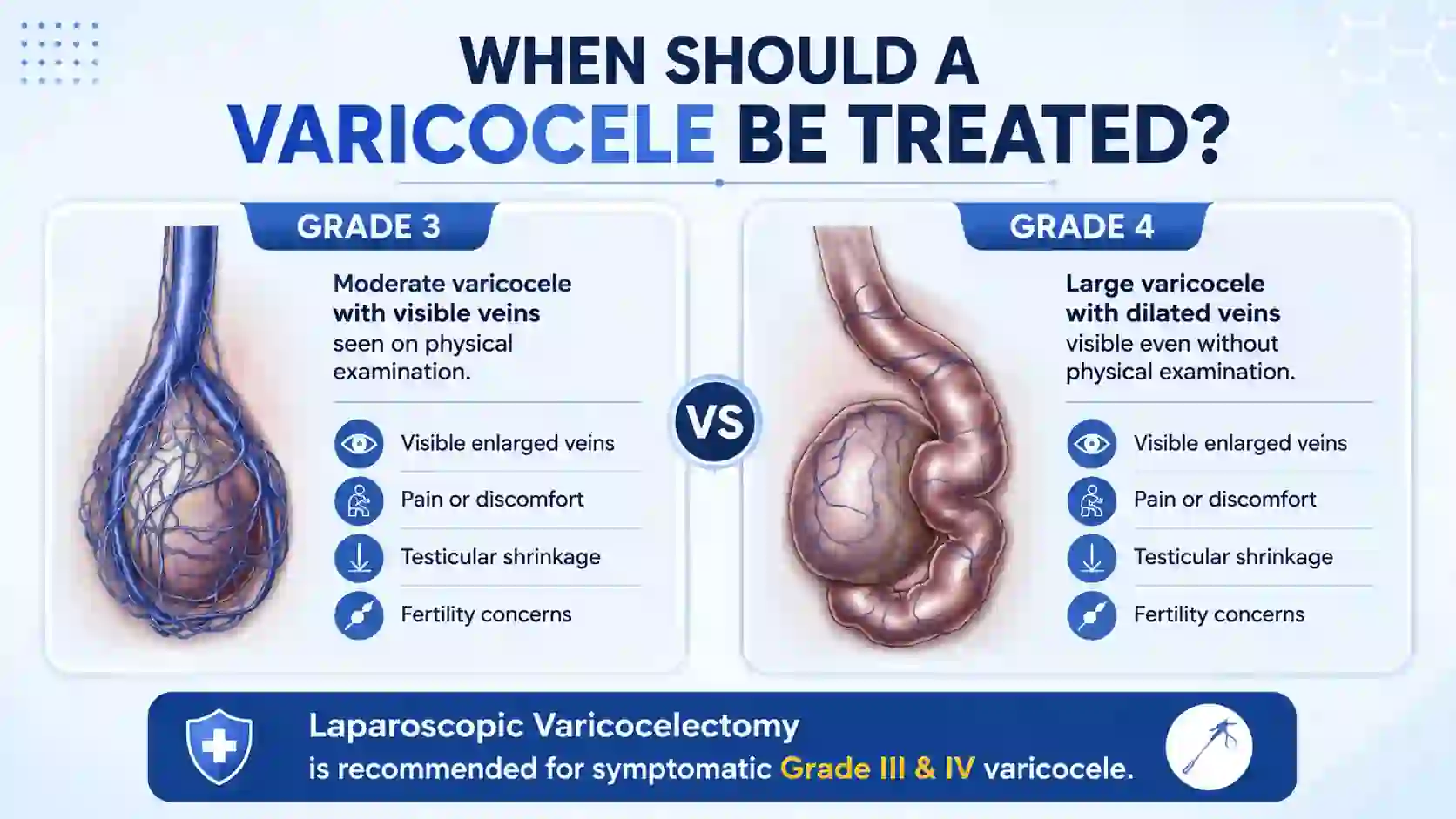
- Grade III: Clearly visible enlarged veins within the scrotum.
- Grade IV (Clinical Severe Presentation): In some clinical settings, extensive enlargement with obvious venous congestion may be described as a severe or advanced presentation.
The severity of a varicocele does not automatically determine whether surgery is required. Symptoms, fertility goals, and clinical findings remain the most important considerations.
When Is Laparoscopic Varicocelectomy Recommended?
Not every patient with a varicocele requires surgery. However, laparoscopic varicocelectomy may be considered when one or more of the following are present:
- Persistent scrotal pain despite conservative treatment
- Abnormal semen analysis associated with infertility
- Progressive testicular atrophy
- Bilateral clinically significant varicoceles
- Recurrent varicocele after previous treatment
- Symptoms affecting daily activities or quality of life
The decision should always be individualised after a comprehensive clinical assessment.
Why Choose a Laparoscopic Approach?
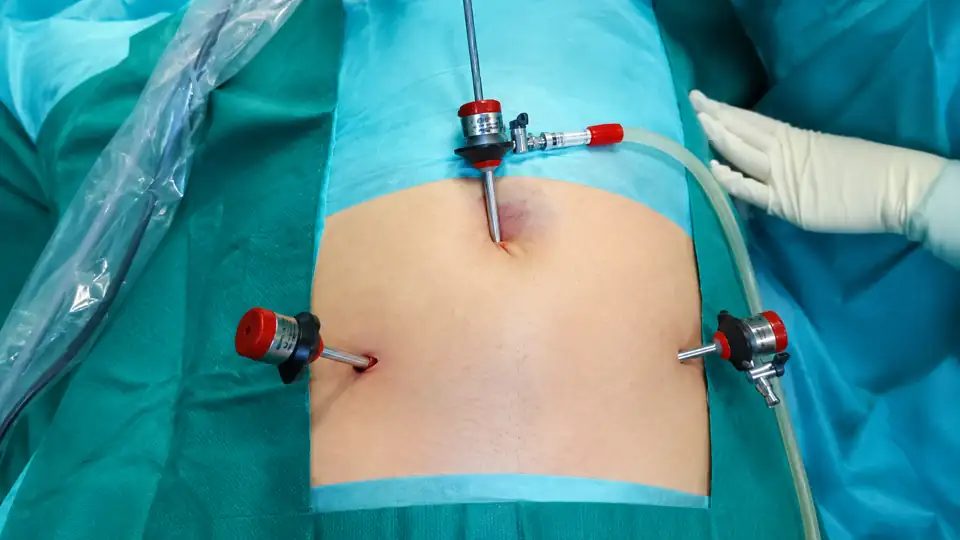
Modern laparoscopic surgery allows surgeons to treat abnormal spermatic veins through a few small abdominal incisions using high-definition magnified visualisation.
Potential advantages include:
- Smaller incisions
- Reduced postoperative discomfort
- Excellent visualisation of important anatomical structures
- Precise identification of veins, arteries, and lymphatic vessels
- Faster recovery for many patients
- Short hospital stay in appropriate cases
- Ability to treat bilateral varicoceles through the same approach
The choice of surgical technique should always be based on the patient’s condition and the surgeon’s expertise.
Inside the Operating Room: Step-by-Step Laparoscopic Varicocelectomy
Laparoscopic varicocelectomy is performed under general anaesthesia using a minimally invasive approach. Through a few small abdominal incisions, a high-definition laparoscopic camera and specialised surgical instruments allow the surgeon to identify and treat the abnormal spermatic veins while preserving healthy structures.
The objective of the procedure is simple but critical: interrupt the abnormal venous reflux while maintaining normal blood supply and lymphatic drainage to the testicle.
Preparing for Surgery
After anaesthesia, the patient is positioned safely on the operating table. The abdomen is cleaned with antiseptic solution and sterile drapes are applied.
Carbon dioxide gas is then introduced into the abdominal cavity to create a working space. This allows the laparoscopic camera to provide a magnified view of the internal anatomy.
Step 1 – Identifying the Spermatic Vessels
Once the laparoscope is introduced, the surgeon carefully identifies the spermatic cord structures. The enlarged spermatic veins are distinguished from the testicular artery, vas deferens, and surrounding lymphatic vessels.
Careful identification before dissection helps minimise unnecessary tissue trauma and improves surgical precision.
Step 2 – Gentle Dissection Around the Dilated Veins
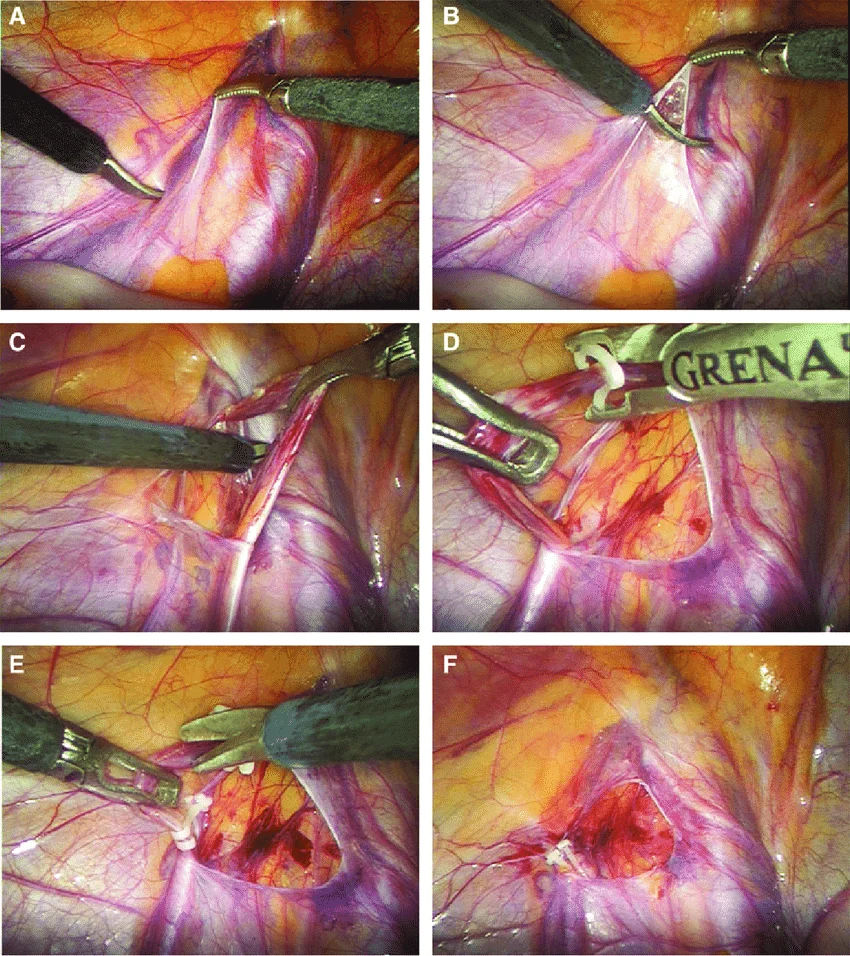
After confirming the anatomy, meticulous dissection begins.
Using specialised laparoscopic instruments, the surrounding tissue is gently separated to expose the enlarged spermatic veins while protecting the nearby artery and lymphatic channels. Gentle tissue handling helps reduce unnecessary trauma and supports a safer procedure.
Surgical Insight
Successful laparoscopic surgery is often determined by how carefully tissues are handled—not by how quickly the operation is completed.
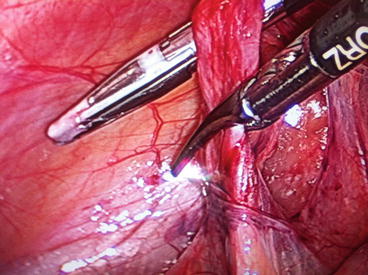
Step 3 – Preserving the Testicular Artery
One of the most important principles of modern varicocele surgery is preserving the testicular artery.
The artery supplies oxygen-rich blood to the testicle and is carefully identified before any abnormal veins are treated. At the same time, lymphatic vessels are preserved whenever possible to reduce the likelihood of postoperative hydrocele formation.
Why Is Artery Preservation Important?
- Maintains healthy blood circulation to the testicle
- Helps preserve normal testicular function
- Supports better long-term surgical outcomes
- Reduces the risk of testicular atrophy
Step 4 – Clipping and Dividing the Enlarged Veins
After all important structures have been identified and protected, the enlarged spermatic veins are permanently interrupted.
Depending on the surgeon’s preferred technique and the patient’s anatomy, laparoscopic clips, energy devices, or ligatures may be used to secure the veins before division. This redirects blood flow through healthy venous pathways while eliminating the abnormal venous reflux responsible for the varicocele.
Clinical Pearl
The objective is to treat the abnormal veins while preserving the artery, lymphatics, and surrounding healthy tissues.
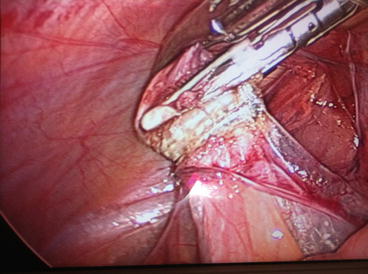
Final Operative Inspection
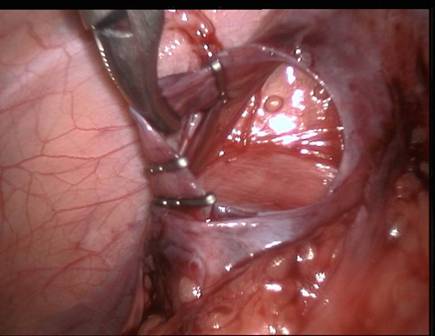
Before completing the procedure, the surgeon carefully inspects the operative field to confirm:
- Complete interruption of the abnormal veins
- Preservation of the testicular artery
- Intact lymphatic drainage
- Adequate haemostasis
- No active bleeding
The laparoscopic instruments are then removed, the small port sites are closed, and sterile dressings are applied. Many patients are able to mobilise soon after surgery and, when appropriate, return home on the same day.
Why Choose a Laparoscopic Approach?
Laparoscopic varicocelectomy has become an established minimally invasive option, particularly for selected patients and bilateral varicoceles.
Potential advantages include:
- Small abdominal incisions
- Magnified high-definition surgical view
- Precise identification of vascular anatomy
- Minimal tissue disruption
- Reduced postoperative discomfort for many patients
- Shorter hospital stay in appropriate cases
- Earlier return to normal daily activities
The most suitable surgical technique should always be chosen based on the patient’s condition, clinical findings, and the surgeon’s experience.
Recovery After Laparoscopic Varicocelectomy: What to Expect
Successful surgery is only the beginning of the recovery journey. Proper postoperative care, following your surgeon’s advice, and attending scheduled follow-up appointments all contribute to the best possible outcome.
Because laparoscopic varicocelectomy is performed through small abdominal incisions, many patients recover faster and experience less discomfort than with more invasive procedures. However, every patient’s healing process is unique, and recovery depends on individual health, the complexity of the operation, and daily physical activity.
📷 Figure 8
Image
09-postoperative-follow-up.webp
Caption
Figure 8. Routine postoperative follow-up allows the surgeon to assess healing, address patient concerns, and guide a safe return to normal activities.
Recovery Timeline
Although recovery varies from person to person, most patients can expect the following milestones:
First 24 Hours
- Rest at home while taking short walks every few hours.
- Mild discomfort around the incision sites is common.
- Pain is usually well controlled with prescribed medication.
First Week
- Resume light daily activities as tolerated.
- Keep the incision sites clean and dry.
- Avoid heavy lifting and strenuous exercise.
Two to Four Weeks
- Most patients return to office work and normal walking.
- Physical activity may gradually increase after medical approval.
- Report persistent swelling or increasing pain during follow-up visits.
Around Three Months
If surgery was performed to improve fertility, your surgeon may recommend a repeat semen analysis approximately three months later, as improvements in sperm production take time to become apparent.
Returning to Everyday Life
One of the greatest advantages of laparoscopic surgery is an earlier return to normal life.
Most patients are advised to:
- Walk regularly without overexertion
- Avoid lifting heavy objects during the early recovery period
- Wear supportive underwear if recommended
- Stay well hydrated
- Take medications exactly as prescribed
- Attend all scheduled follow-up appointments
Your surgeon will provide personalised advice based on your occupation and overall recovery.
Can Laparoscopic Varicocelectomy Improve Fertility?
Many patients undergo varicocelectomy because of fertility concerns. For appropriately selected patients, the procedure may improve semen parameters and increase the likelihood of natural conception. However, outcomes vary depending on factors such as:
- Severity of the varicocele
- Baseline semen analysis
- Age
- Female partner’s fertility status
- Duration of infertility
- Other underlying medical conditions
It is important to understand that the primary goals of surgery are to relieve symptoms, preserve testicular function, and improve fertility potential when appropriate—not to guarantee pregnancy.
Clinical Insight
Varicocelectomy may improve fertility potential in carefully selected patients, but treatment decisions should always follow a comprehensive fertility evaluation.
Possible Risks and Complications
Laparoscopic varicocelectomy is generally considered a safe procedure when performed by experienced surgeons. However, like all surgical procedures, it carries some potential risks.
These may include:
- Temporary pain or discomfort
- Bruising around the incision sites
- Infection
- Bleeding
- Hydrocele (fluid collection around the testicle)
- Recurrence of the varicocele
- Injury to nearby structures (rare)
- Anaesthesia-related complications
Fortunately, serious complications are uncommon, particularly when careful surgical technique and appropriate postoperative care are followed.
Frequently Asked Questions
Will I need to stay in the hospital overnight?
Many laparoscopic varicocelectomy procedures are performed as day-care surgery. Some patients may require overnight observation depending on their overall health and the complexity of the procedure.
When can I return to work?
Patients with desk-based jobs often return within several days to one or two weeks, while physically demanding work may require a longer recovery period. Always follow your surgeon’s advice.
Will the scars be noticeable?
Laparoscopic surgery uses small incisions that usually heal with minimal visible scarring over time.
Can both sides be treated during the same operation?
Yes. When clinically indicated, bilateral varicoceles can often be treated during the same laparoscopic procedure.
Will surgery affect sexual function?
Varicocelectomy is not intended to treat erectile dysfunction and does not normally interfere with sexual function. Any individual concerns should be discussed with your surgeon.
When should I seek urgent medical advice?
Contact your healthcare provider immediately if you experience:
- Severe or worsening pain
- Increasing swelling
- Persistent fever
- Heavy bleeding
- Any symptoms that concern you
When Should You Consult a Specialist?
You should seek evaluation from a qualified laparoscopic surgeon or urologist if you experience:
- Persistent scrotal pain or heaviness
- Enlarged veins within the scrotum
- Difficulty conceiving
- Testicular size differences
- An abnormal semen analysis
- Symptoms that interfere with your daily life
Early assessment helps determine whether observation, conservative management, or surgery is the most appropriate treatment option.
Final Thoughts
A varicocele is a common condition, but treatment decisions should never be based on ultrasound findings alone. Symptoms, fertility goals, physical examination, and overall clinical assessment are all important when deciding whether surgery is appropriate.
For carefully selected patients, laparoscopic varicocelectomy offers a modern minimally invasive solution with excellent visualisation, precise surgical technique, and the potential for symptom relief while preserving normal testicular function.
If you are experiencing ongoing scrotal discomfort, fertility concerns, or have been diagnosed with a varicocele, consulting a qualified specialist is the best way to determine the most appropriate treatment for your individual needs.
Medical Disclaimer
This article is intended for educational purposes only and should not be considered a substitute for professional medical advice, diagnosis, or treatment. Every patient is unique, and not all varicoceles require surgery. Decisions regarding laparoscopic varicocelectomy should always be made after a comprehensive clinical evaluation by a qualified surgeon or urologist. Never delay seeking professional medical care because of information you have read online.


