
Understanding the Condition and When Surgery Is Needed
A breast lump is one of the most common reasons women seek medical advice. While discovering a lump can be frightening, it is important to remember that not every breast lump is cancerous. Many breast tumors are benign (non-cancerous) and may not require extensive treatment. However, because some breast lumps can be an early sign of breast cancer, every new lump should be evaluated by an experienced breast surgeon without delay.
Modern breast care combines advanced imaging, accurate diagnosis, and personalized surgical treatment to achieve the best possible outcome. When breast cancer is detected early, treatment is often less extensive and survival rates are significantly improved. Early consultation not only helps establish the correct diagnosis but also provides patients with reassurance and a clear treatment plan.
What Is a Breast Tumor?
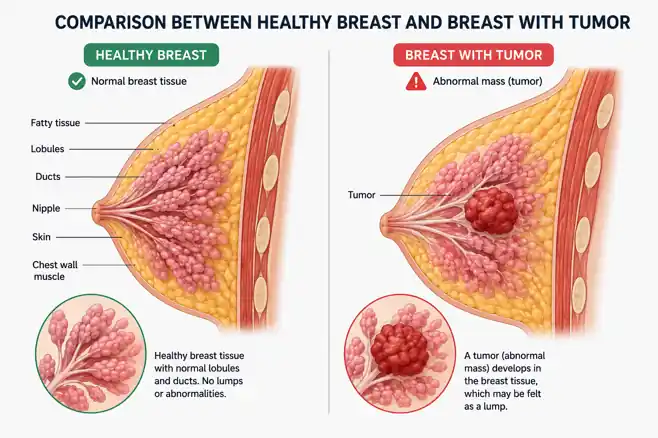
A breast tumor is an abnormal growth of cells within the breast tissue. These tumors are broadly classified as benign or malignant. Benign tumors, such as fibroadenomas and simple cysts, are not cancer and usually do not spread to other parts of the body. In contrast, malignant tumors have the ability to invade surrounding tissues and may spread through the lymphatic system or bloodstream if left untreated.
The presence of a breast lump does not automatically mean cancer. Nevertheless, every persistent lump should be carefully evaluated because early-stage breast cancer often presents with very subtle symptoms. Advances in diagnostic imaging and pathology now allow doctors to identify most breast abnormalities accurately and recommend the most appropriate treatment.
Common Signs and Symptoms
The symptoms of a breast tumor vary from person to person. Some patients experience no discomfort at all, while others notice changes in the breast during routine self-examination or daily activities.
Common warning signs include a new breast lump, thickening of breast tissue, changes in breast shape or size, nipple inversion, abnormal nipple discharge, or skin changes such as dimpling or redness. Although these symptoms do not always indicate cancer, they should never be ignored.
Any breast lump that persists beyond a few weeks or continues to increase in size should be assessed by a breast specialist.
Who Is at Risk?
Breast cancer can affect both women and men, although it is far more common in women. The risk gradually increases with age, particularly after the age of 40. A family history of breast or ovarian cancer, inherited genetic mutations such as BRCA1 or BRCA2, prolonged exposure to estrogen, obesity, and certain lifestyle factors may also increase the likelihood of developing breast cancer.
However, many patients diagnosed with breast cancer have no identifiable risk factors, which is why awareness and early medical evaluation remain so important.
When Should You See a Breast Surgeon?
Many breast conditions are successfully treated when diagnosed early. Seeking medical advice promptly can prevent unnecessary anxiety while ensuring that serious conditions receive timely treatment.
You should arrange a consultation if you notice a persistent breast lump, changes in breast size or shape, nipple discharge—particularly if it is bloody—skin dimpling, nipple inversion, or persistent pain associated with a localized lump. A breast surgeon will perform a detailed clinical assessment and recommend appropriate imaging or biopsy if required.
Early diagnosis is the most effective step toward successful treatment and helps preserve both health and quality of life.
Evaluation and Surgical Management
Once a breast lump has been identified, the next step is a comprehensive evaluation to determine its nature and plan the most appropriate treatment. Advances in breast imaging and pathology now allow specialists to distinguish benign conditions from breast cancer with a high degree of accuracy. This detailed assessment ensures that every patient receives personalized care while avoiding unnecessary procedures whenever possible.
The treatment plan is based on several factors, including the size and location of the tumor, imaging findings, biopsy results, the patient’s overall health, and individual treatment goals.
How Is a Breast Tumor Evaluated?
The evaluation begins with a detailed medical history and a careful clinical breast examination. During the consultation, the surgeon assesses the breast lump, examines both breasts and the nearby lymph nodes, and reviews any symptoms such as nipple discharge, skin changes, or persistent pain.
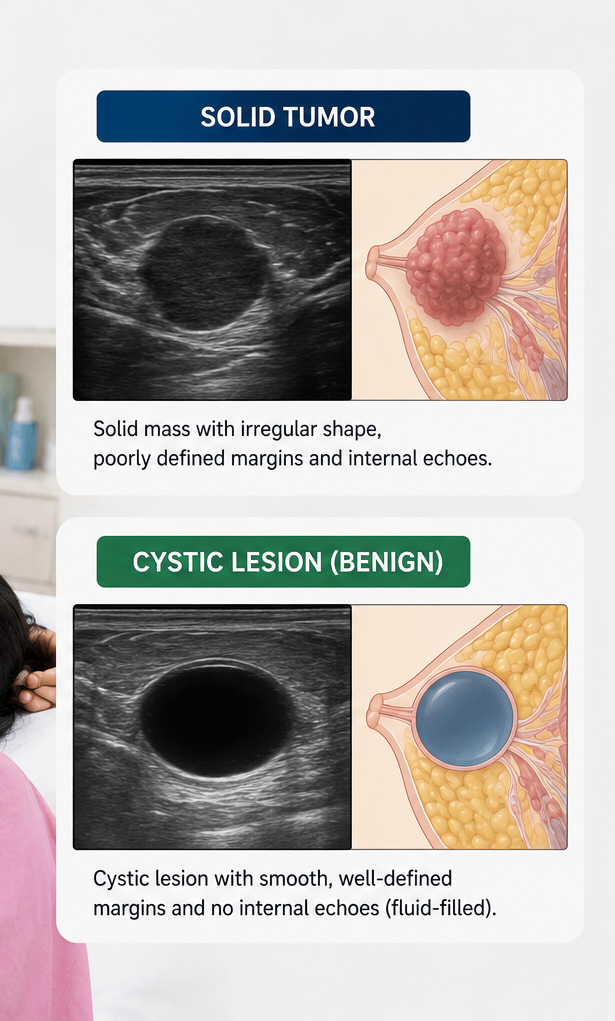
Following the physical examination, breast imaging plays a central role in confirming the diagnosis. Mammography remains the standard screening and diagnostic tool, particularly for women over the age of 40. Breast ultrasound is commonly used to evaluate palpable lumps and to differentiate between solid tumors and fluid-filled cysts. In selected patients, breast MRI may be recommended to assess the extent of disease or evaluate dense breast tissue.
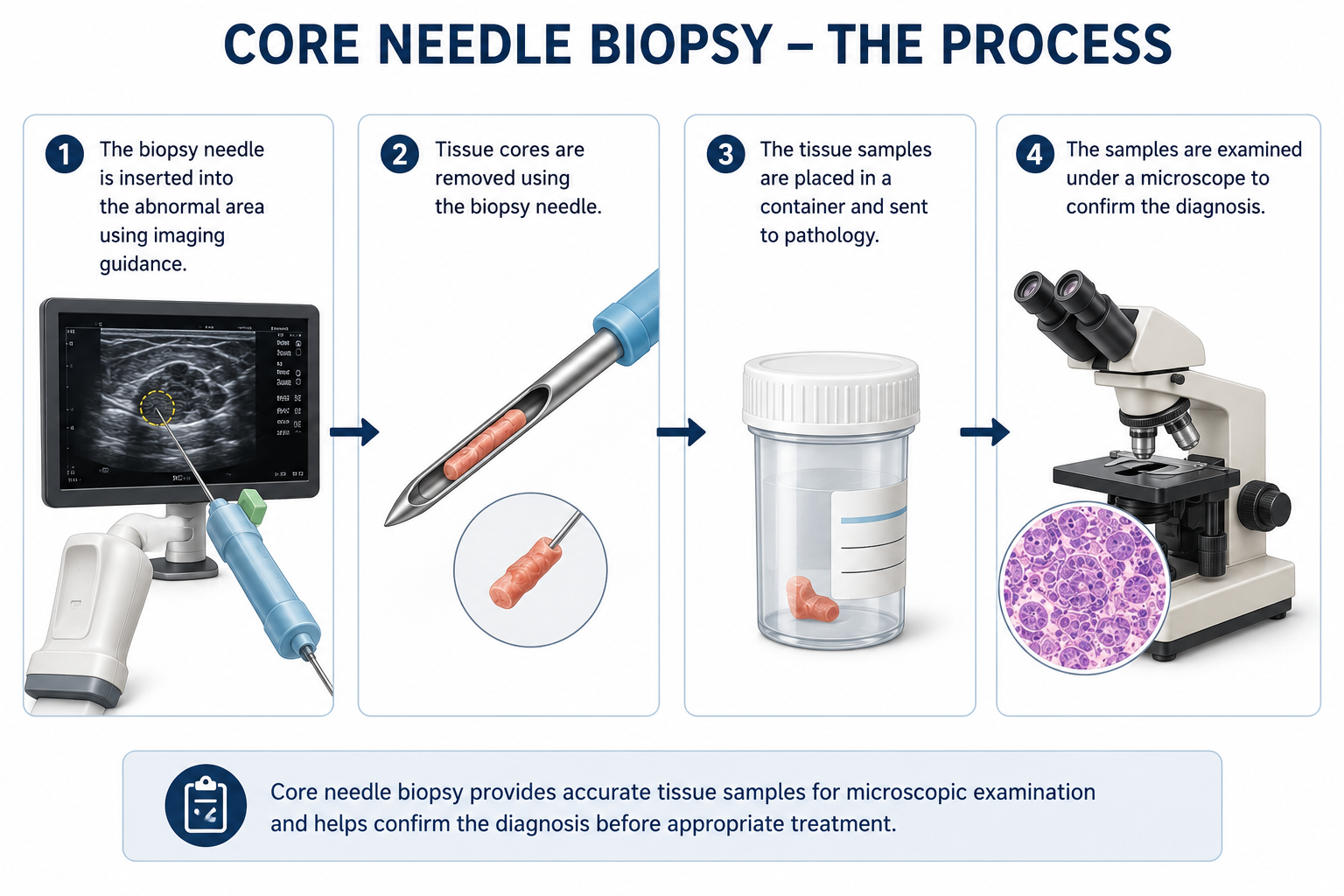
To obtain a definitive diagnosis, a core needle biopsy is usually performed. This minimally invasive procedure removes small tissue samples from the breast lesion, allowing a pathologist to determine whether the tumor is benign or malignant and to identify its specific type.
When Is Surgery Recommended?
Surgery is recommended when investigations confirm or strongly suggest breast cancer. It may also be advised for certain benign breast tumors that continue to enlarge, cause persistent symptoms, or cannot be confidently distinguished from malignant lesions.
The goal of surgery is to completely remove the abnormal tissue while preserving as much healthy breast tissue as possible whenever it is safe to do so. The choice of procedure depends on the size of the tumor, its location, the stage of the disease, and the patient’s individual preferences.
Surgical Treatment Options
For many patients diagnosed at an early stage, breast-conserving surgery (lumpectomy) is an excellent option. During this procedure, the surgeon removes the tumor along with a small margin of healthy surrounding tissue while preserving the majority of the breast. This approach is often followed by radiotherapy to reduce the risk of recurrence.
When the tumor is large, involves multiple areas of the breast, or breast-conserving surgery is not appropriate, a mastectomy may be recommended. This procedure involves removing the breast tissue to achieve complete treatment of the disease. Depending on the individual case, breast reconstruction may be performed at the same time or at a later stage.
To determine whether cancer has spread, many patients also undergo a sentinel lymph node biopsy. This procedure identifies and removes the first lymph node that drains the breast, helping the surgeon accurately stage the disease while minimizing unnecessary removal of additional lymph nodes.
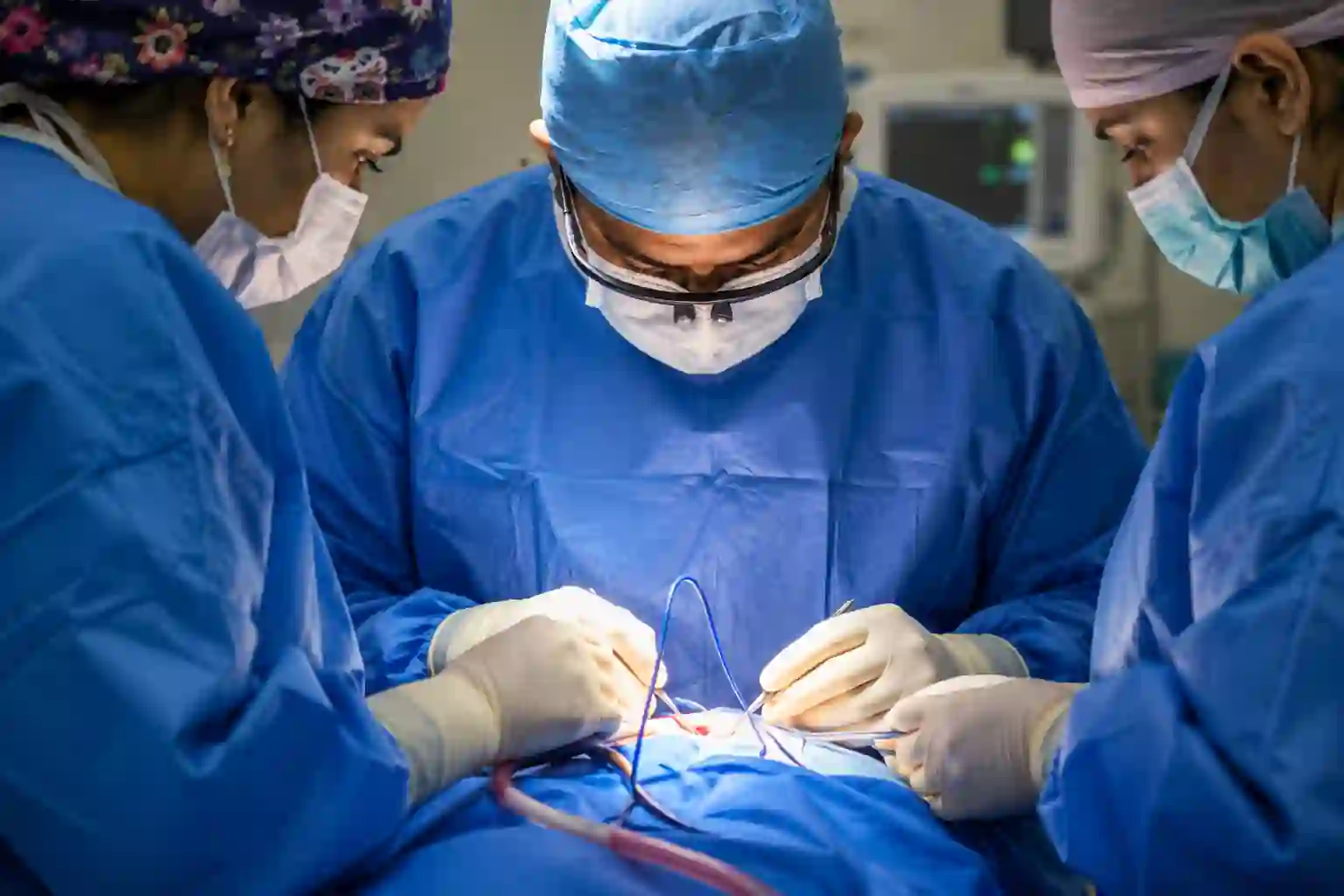
Personalized Surgical Care
No two patients are exactly alike. Every treatment plan is individualized after careful review of imaging findings, biopsy results, and overall health. The objective is not only to remove the disease completely but also to achieve the best possible cosmetic outcome and preserve quality of life whenever feasible.
Modern breast surgery combines precise surgical techniques with multidisciplinary care, allowing patients to benefit from accurate diagnosis, effective treatment, and comprehensive postoperative support.
Recovery, Follow-up & Long-Term Care
Successful breast surgery is only one part of the treatment journey. Recovery, regular follow-up, and ongoing monitoring are equally important in achieving the best possible outcome. Whether a patient undergoes breast-conserving surgery (lumpectomy) or a mastectomy, proper postoperative care helps promote healing, reduce complications, and support a safe return to everyday life.
Modern breast cancer treatment focuses not only on removing the disease but also on preserving quality of life through comprehensive postoperative care and long-term surveillance.
Recovery After Breast Surgery
Recovery varies depending on the type of surgery performed and the patient’s overall health. Most patients are encouraged to begin gentle movement soon after surgery to improve circulation and reduce the risk of complications. Mild discomfort, swelling, and temporary bruising around the surgical area are common during the first few days and usually improve gradually with prescribed medication.
The surgical incision should be kept clean and dry, and patients should follow their surgeon’s instructions regarding dressing changes, bathing, and activity restrictions. If a surgical drain has been placed, patients will receive detailed guidance on how to care for it until it is removed during a follow-up visit.
Most individuals can gradually return to normal daily activities within a few weeks, although strenuous exercise and heavy lifting should be avoided until complete healing has occurred.
Follow-up Care and Pathology Results
Following surgery, the removed tissue is carefully examined by a pathologist. This detailed analysis confirms the diagnosis, determines the exact type and stage of the tumor, and helps guide any additional treatment that may be required.
During follow-up appointments, the surgeon evaluates wound healing, reviews the pathology report, discusses further treatment options when necessary, and answers any questions regarding recovery. Some patients may also be referred for chemotherapy, radiotherapy, hormone therapy, or targeted therapy depending on the final pathology findings and recommendations of the multidisciplinary cancer team.
Regular follow-up visits remain an essential part of long-term care, allowing early detection of any recurrence and ensuring continued support throughout recovery.
Long-Term Outlook
The outlook for patients with breast tumors depends on the nature of the condition and how early it is diagnosed. Benign breast tumors are generally cured after appropriate treatment and rarely cause long-term problems.
For patients with breast cancer, advances in screening, surgery, and modern oncology have significantly improved survival rates. When diagnosed at an early stage, many patients achieve excellent long-term outcomes and continue to lead healthy, active lives after treatment.
Regular breast examinations, scheduled imaging, and ongoing follow-up remain important for maintaining breast health and identifying any future concerns at the earliest possible stage.
When Should You Contact Your Surgeon?
Although recovery is usually uncomplicated, patients should seek medical advice promptly if they notice increasing redness around the wound, persistent swelling, fever, excessive pain, wound discharge, or any new breast changes during recovery. Early assessment allows potential complications to be managed quickly and effectively.
Conclusion
A breast lump should never be ignored, regardless of whether it is painful or painless. Early evaluation by an experienced breast surgeon allows accurate diagnosis and timely treatment, greatly improving the chances of successful recovery.
Modern breast surgery combines advanced diagnostic techniques with personalized surgical care to achieve the best possible medical and cosmetic outcomes. With appropriate treatment, regular follow-up, and a multidisciplinary approach, most patients can look forward to an excellent quality of life after surgery.
If you notice a new breast lump, changes in breast shape, nipple discharge, or any persistent breast abnormality, consult a qualified breast surgeon without delay. Early diagnosis remains the most effective step in protecting your health and ensuring the best possible outcome.


